BLOG about IBM Rhapsody. Contains technical information as well as more private travel stories.

Tag: Germany (Page 1 of 2)

Automotive Day 2025 in Munich – And Yes, I Have VIP Tickets to Give Away!

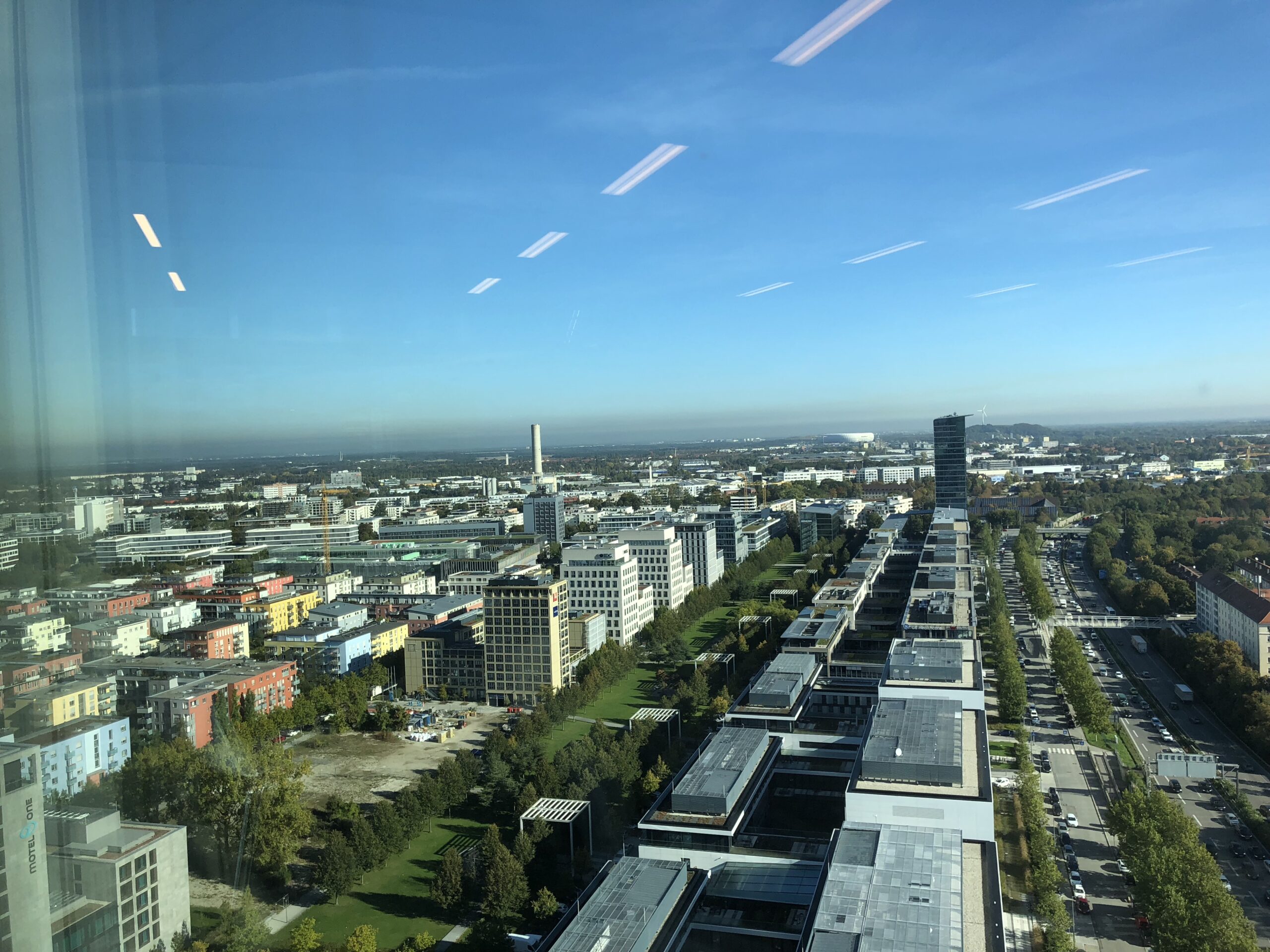
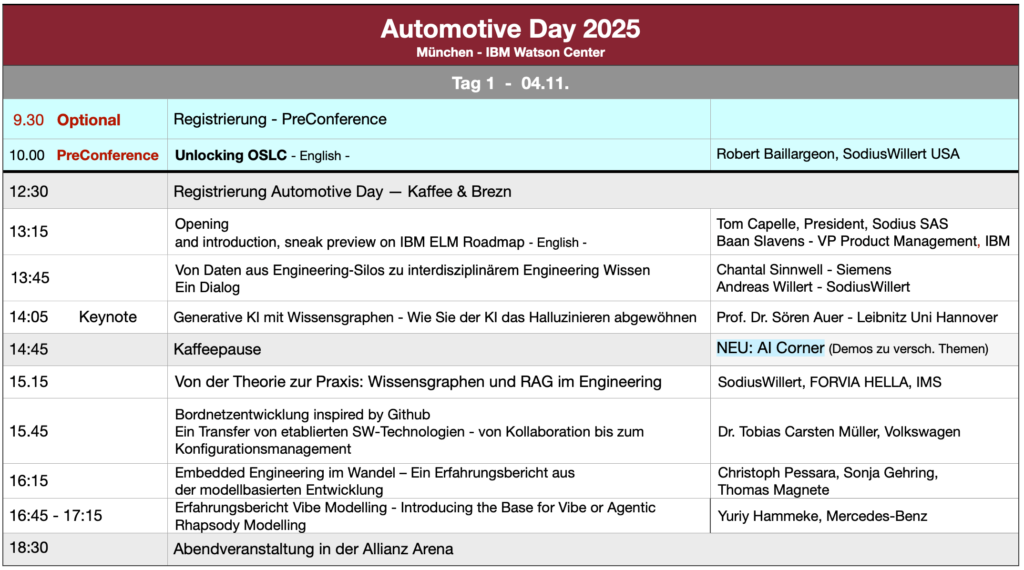
So here we are again. November 4-5, 2025. Munich. The IBM Watson Center. And yes, before you ask: it’s that impressive glass building on Mies-van-der-Rohe-Straße, not some random hotel conference room. Think less “generic conference center” and more “wow, they actually built this.” With a stunning view on the Alps included.

The Automotive Day is back, and this time with something I’m genuinely excited about: AI that might actually be useful instead of just being AI for the sake of having AI buzzwords on a slide deck.

Why Am I Writing About This?

Fair question. Look, I’ve been to enough conferences to know the difference between “we organized some presentations and called it a day” and events where people actually want to be there. The Automotive Day falls firmly in the second category.

This year’s lineup? Professor Sören Auer doing a keynote on “Generative AI with Knowledge Graphs.” Now, I know what you’re thinking: “Oh great, another AI keynote.” But hear me out—this is about making AI work with actual engineering knowledge, not just spitting out random code that looks plausible but breaks everything.

The Good Stuff: Real Projects, Real People

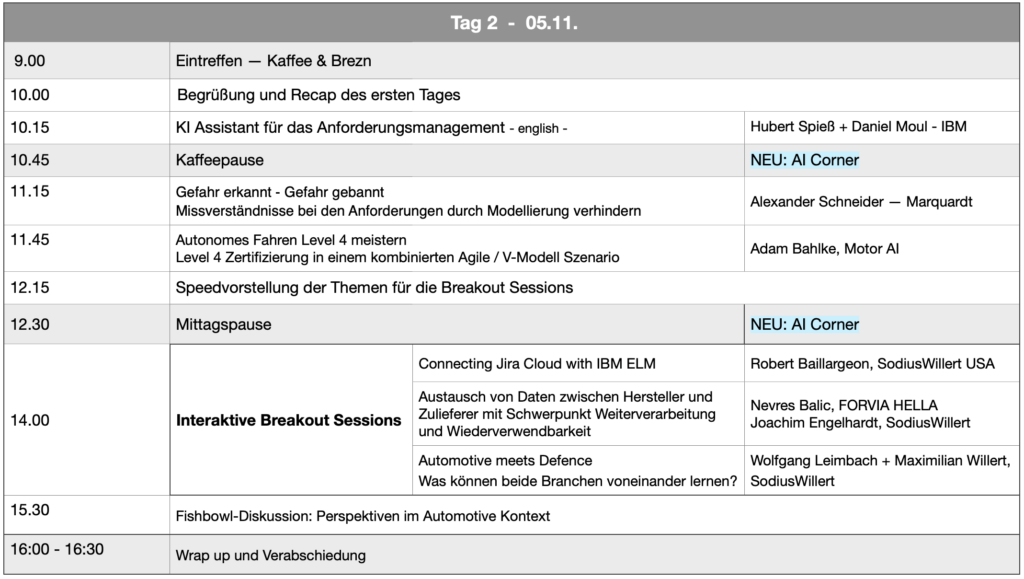
Here’s what I’m looking forward to: experience reports from people actually doing the work. Volkswagen, Thomas Magnete, Marquardt, and MotorAI are all presenting. These aren’t theoretical talks—these are “here’s what we tried, here’s what broke, here’s what actually worked” sessions.

And we managed to get Baan Slavens, VP Product Management at IBM, to talk about the ELM Tools roadmap. If you’re working with IBM Engineering Lifecycle Management tools (and if you’re reading this blog, chances are you do), this is your chance to hear what’s coming and—more importantly—ask questions directly.

OSLC: Finally, Someone Explains It Properly

There’s a whole session on OSLC (Open Services for Lifecycle Collaboration). I know, I know, it sounds like one of those standards that IT departments get excited about while the rest of us just want our tools to talk to each other without breaking.

But this session actually covers the practical stuff: integration, authentication, reporting, and how to manage OSLC at scale. They’re even building a simple “link loader” during the session to show how it actually works. Actual demonstrations > PowerPoint slides every single time.

The Breakout Sessions

Here’s what makes the Automotive Day different from just sitting in a room listening to presentations: the Breakout Sessions. These are where you actually get to talk, share your experiences, and—this is important—complain about things that don’t work.

Every year, participants tell me the real value isn’t just the scheduled presentations. It’s the conversations during coffee breaks, the “oh, you’re dealing with that too?” moments, and finding out you’re not the only one struggling with that one particular ISO 26262 requirement that makes no sense.

Two new topics this year that I’m particularly curious about (but won’t spoil here—you’ll have to come see for yourself).

The Practical Details

Dates: November 4-5, 2025
Location: IBM Watson Center Munich, Mies-van-der-Rohe-Straße 6, 80807 München
Hotel Recommendation: Motel One München-Parkstadt Schwabing (walking distance, basically)

Pricing:

  • Early Bird (until August 18): €199 + VAT
  • Regular Price (from August 19): €269 + VAT

German language conference, by the way. If your German is rusty, don’t worry—half the technical terms are in English anyway, and everyone switches to English when needed.

And Here’s the Part You Actually Scrolled Down For: VIP Tickets

I have some VIP tickets to give away. How do you get one? Simple: send me an email. First come, first serve. That’s it. No complicated application process, no essay about why you deserve it, just… send an email.

The tickets are limited (obviously), so if you’re interested, don’t wait until the last minute thinking “oh, I’ll do that tomorrow.” Tomorrow never comes. Trust me, I know this from personal experience with my own to-do lists.

Should You Come?

If you’re working in automotive systems or software engineering, dealing with ASPICE, AUTOSAR, ISO 26262, or any of those other acronyms that make our lives interesting, then yes.

If you want to hear from people who are actually implementing this stuff instead of consultants who only know it in theory, then yes.

If you want to network with people who understand why you care about the difference between a component and a module, and who won’t look at you funny when you start complaining about tool integration issues, then definitely yes.

What Participants Said Before

Just so you know I’m not making up how useful this event is, here’s what people said about previous Automotive Days:

“It was a very interesting event, can gladly be longer!”

“Very helpful and informative!!!”

“Top event, great atmosphere, excellent talks and presentations”

“It was fantastic. Great location, very good presentations and high-caliber conversations”

“Informative presentations, good networking opportunities. Looking beyond the horizon into the domains of mechanics and electronics”

Final Thoughts

Look, I get it. November. Another conference. More travel. But if you’re going to spend two days at an automotive engineering event, this is the one worth attending.

Want to see what it was like last year? Check out the 2024 program booklet or watch the video retrospective.

And seriously, if you want a VIP ticket: email me now. Don’t bookmark this page thinking you’ll remember later. You won’t. None of us do.

See you in Munich!

Register here: https://www.sodiuswillert.com/de/events/automotive-day


P.S. The IBM Watson Center has great views from the upper floors. Just saying. Worth showing up early to check it out.

P.P.S. If you’re flying in, Munich airport is well-connected. The city center is about 40 minutes by train. Much better than… well, Las Vegas. (See my other posts if you want to know how I feel about Vegas…)

10 Jahre MESCONF

MESCONF – Modeling Embedded Systems

Worum geht es bei der MESCONF?

Embedded Systeme sind allgegenwärtig; ein Alltag ohne diese intelligenten kleinen Helfer kaum noch vorstellbar. Wie man Embedded Systeme so baut, dass sie zuverlässig das tun, was erwartet wird, das steht bei der MESCONF im Mittelpunkt. Dabei betrachten wir insbesondere, wie Modelle helfen können, Architekturen, Systeme und Software zu entwickeln und zu verfeinern.

Warum solltest Du teilnehmen?

Der oft beschworene “Blick über den Tellerrand” kann
überraschende und wertvolle Anregungen bringen, wie
die eigene Projektarbeit verbessert werden kann.
Deshalb steht der Austausch von praktischen
Erfahrungen in konkreten Anwendungsbeispielen bei der
MESCONF im Vordergrund. Anwender berichten aus
ihren Projekten, und es gibt viel Raum, sich über das
Gehörte, eigene Ideen, Erfahrungen und Erwartungen im
persönlichen Gespräch auszutauschen.

Format der MESCONF

  • Fachvorträge
  • Diskussionsrunden
  • Workshops der Toolhersteller
  • Fishbowl

Warum gibt es die MESCONF?

Ganz einfach: weil Embedded Systeme heute derart komplexe Aufgaben
lösen, oft auch im Verbund, dass die Entwicklung extrem aufwendig
werden kann. Fehler werden spät entdeckt; deren Beseitigung ist
kompliziert und kann zu unerwünschten Seiteneffekten führen, und am
Ende laufen Kosten aus dem Ruder, und Liefertermine werden verpasst.

Visuelle Hilfsmittel wie Bilder sind hilfreich; noch besser sind Modelle!
Weil die Symbole eindeutig sind und nicht falsch interpretiert werden
können. Modelle können in Entwicklungstools bearbeitet werden, was
viele Entwicklungsaufgaben erleichtert.

Inhalte können überprüft werden, Source-Code, Dokumente und andere
Artefakte generiert werden, mit Hilfe von Simulationen können
Unstimmigkeiten frühzeitig aufgedeckt oder ausgeschlossen werden.
Missverständnisse werden minimiert, viele mögliche Fehlerquellen sind a
priori ausgeschaltet.

Was kann Modellierung konkret leisten und was ist dabei zu
berücksichtigen? Das „Modeling Manifest“ (http://mdse-manifest.org)
einer Gruppe von Experten ist ein guter Einstieg. Jedoch: was sich darin
einfach liest und logisch anhört, ist in der Praxis nicht in jedem Projekt
exakt so umsetzbar, und es stellen sich immer wieder neue Fragen.

Und genau deshalb gibt es die MESCONF, fokussiert auf diese Thematik.
Am 22. und 23. Mai 2025 treffen sich Experten und Anwender, um „Best
Practices“ auszutauschen, Ideen und Fragen zu besprechen und neue
Erkenntnisse zu gewinnen.


Rückblick auf die MESCONF 2024


Fachvorträge MESCONF 2024 (Auswahl)

  • Funktionsorientierte Entwicklung mit MBSE und Potentiale für den Einsatz von AI
    Jochen Epple, Mercedes-Benz, Anuschka Gummel, BHC
  • Game Changer SysML v2 und AI
    Tim Weilkiens, oose
  • Guided System Modeling und Übergang in die SW und E/E Domäne
    Johannes Trageser, SodiusWillert
  • SysML v2 in der praktischen Erprobung
    Samir Sarkic, Bosch


Workshops MESCONF 2024

  • Infineon: Model-Based Design (MBD) and Automated Code Generation
  • Mathworks: System Architecture Modeling of an Electric Vehicle with MathWorks Toolchain
  • Incquery: Model Governance für das Digital Engineering der Zukunft: IncQuery Validator Product Launch
  • IBM: Einstieg in die Modellbasierte Entwicklung – Welchen Einfluß hat die neue SysML v2 auf etablierte MBSE Methoden?


Auszug aus den Diskussionsrunden MESCONF 2024

  • AI-Assisted MBSE
  • Model-based requirements engineering
  • Text vs. Grafik aus Anwendersicht
  • Reviewing models — review management, results management, results documentation
  • Requirements in the loop — Verifikation von Anforderungen durch Formalisierung
  • Product-line engineering — ab wann sinnvoll, wo anfangen?
  • Impact analysis in models — how to make it work
  • Das Problem mit den UML-Komponenten in IBM Rhapsody


Hier gehts zur Agenda 2024

Ich hoffe viele von euch zu sehen auf der MESCONF!

Walter van der Heiden (walter@sodiuswillert.com)

10 Years of MESCONF 

10 Years of MESCONF – Let’s Talk Models, Not B.S.

April 16, 2025 / rhapsody207 / 1 Comment / Edit

🎉 We’re celebrating 10 years of modeling, collaboration, and fresh ideas!

📅 May 22–23, 2025 | 📍 Infineon Campeon, Munich

Let’s cut to the chase: 2025 marks 10 years of MESCONF.

What started as a small prototype has grown into the go-to event for model-based systems engineering (MBSE) pros, tool nerds, process thinkers—and let’s be honest, all of us who just really like making complex stuff actually work.

Whether you’re a Systems Engineer, Architect, Tool Wizard, or just MBSE-curious, MESCONF is where the real conversations happen—with folks who know what they’re talking about, no PowerPoint fluff required.


💬 What’s on the agenda?

Classic expert talks? Yep.

Open discussion formats? You bet.

PowerPoint prison? Nope.

Pre-scripted speakers? Forget it.

The real star? Open Space.

Here’s how it works:

👉 Got a topic? Bring it.

👉 Others care? Talk about it.

👉 No hierarchy, no moderator—just smart people exchanging real-world ideas.

From SysMLv2 to traceability, simulation, tool integration, and yes—AI in modeling—Open Space is where the sparks fly.


🤖 My 2 cents this year:

I’m pitching an Open Space session on AI in modeling.

(And yes, I do say “AI” not “KI”. “KI” sounds like a technique for getting cows pregnant—no offense to the cows. 🐄💉)

On a serious note:

  • Where does AI actually help in MBSE?
  • Where is it just shiny nonsense?
  • How can we integrate smart assistance into our workflows without handing over the model to some black box?

Curious? Opinionated? Just want to argue a bit over coffee? Come join the conversation—I’d love your input.


🛠️ Why bother showing up?

Because modeling is how we wrangle complexity.

Because MBSE doesn’t have to live in an ivory tower.

And because MESCONF is one of the very few places where you’ll find open, honest, practical exchange without corporate smoke and mirrors.

🎟️ Spots are limited – sign up now:

👉 https://mesconf.de

🚀 10 years of MESCONF – let’s write the next chapter together.

See you in Munich!


Keep modeling – with Rhapsody or whatever gets the job done.

Walter van der Heiden

walter@sodiuswillert.com


Happy Modeling ( preferably with Rhapsody)!!

Walter van der Heiden email://walter@sodiuswillert.com

ESE congress

Introduction

Every year, the start of December, it is time for the yearly reunion for Embedded Software Developers. It is called ESE Kongress (yes, in German) and is held in the “Stadthalle Sindelfingen”.
This is near Stuttgart and home of Daimler Benz, the makers of Mercedes.

ESE is organized by Microconsult and Elektronik Praxis, a training company, and a publishing company, for 12 years they started doing that.
I’ve been on all of them and I really like the event.
It is smaller than the Embedded World but that is exactly the charm of it, the noise is limited, there is time to speak in-depth with visitors, the presentations are controlled and contain no or just a really little bit of marketing, the information depth is very good.

Because we have a table there I traveled by car with a booth full of folders, flyers, roll-ups and more.

The highlight of the ESE is, of course, the Table Football Tournament… And the Developer party but in the daytime, it was Johannes Trageser’s presentation “Do you still draw or are you already generating code”.

Rhapsody

Some Rhapsody news. Version 9 is on the way. There is no fixed release date but it will be “any moment now”.

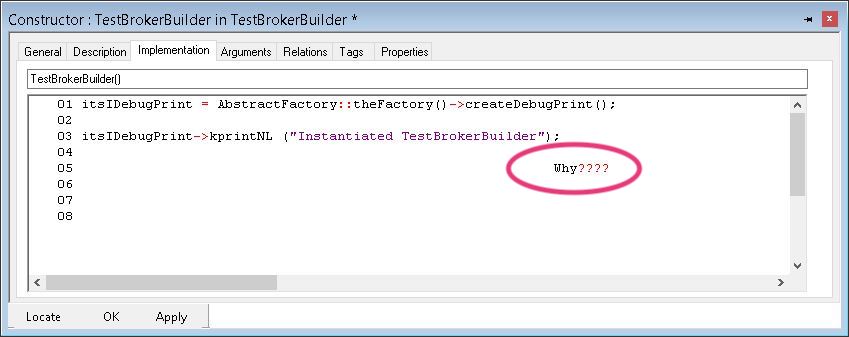
My colleague Wolfgang Sonntag has solved a long year problem…. The Rhapsody #$%^&* Editor that adds whitespace if you do not click on the start of the line.


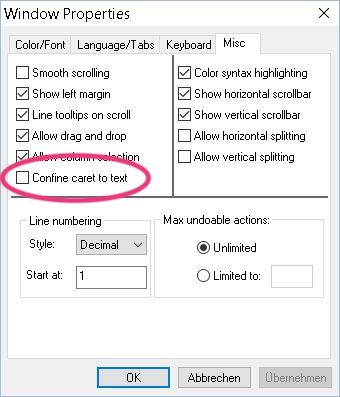
It turns out that there is an option that prevents that. Just right-click in the editor, open the properties, go to the “misc” tab and tick the option “Confine caret to text” (Don’t ask….)

Questions still stay…. why isn’t that the default? Why does somebody think that “confine caret to text” is something people look for when they want to change the whitespace behavior of the editor?

For the “new” Rhapsody users… here you can also switch on the line numbers. Please choose decimal and “1” as Start at….

These settings are not stored in the model… and also not in Rhapsody.ini. The Editor is an open-source editor that stores its settings in the registry. “HKEY_CURRENT_USER\Software\Telelogic\Rhapsody 8.4\Code Window-Ansi”. “SELBOUNDS” is the key that controls this.

Anyway… this solves it. Better late than never. It works also for fields in the statecharts (Yes! also the guard!!!)

Have fun editing in Rhapsody without extra whitespace!

Walter van der Heiden ( wvdheiden@sodiuswillert.com )

Berlin #100

Intro

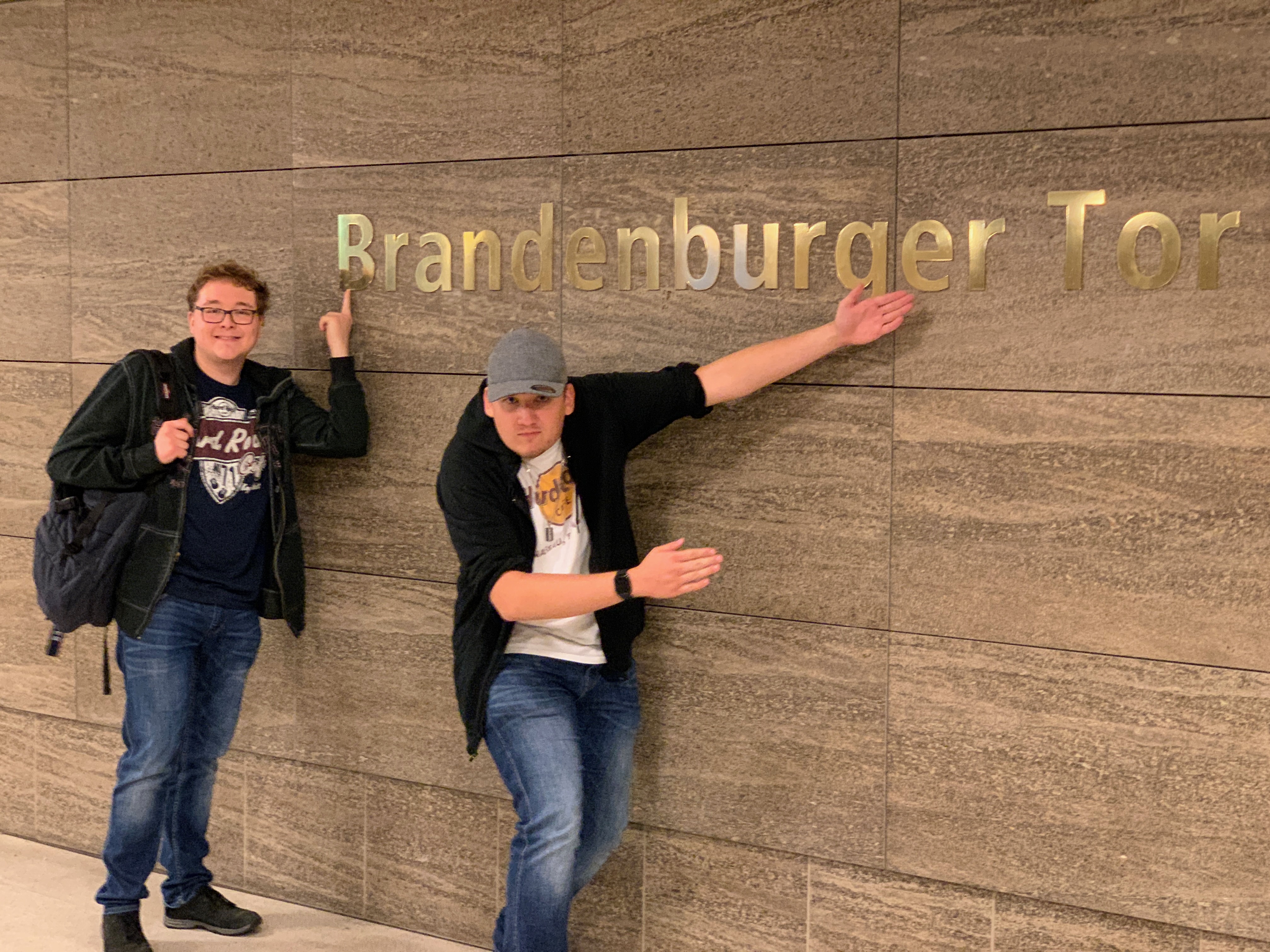
It is not only work… After a lot of work and travel it was time for a short break. For some time now I promised my sons to take them to Berlin and finally we managed to find the time.
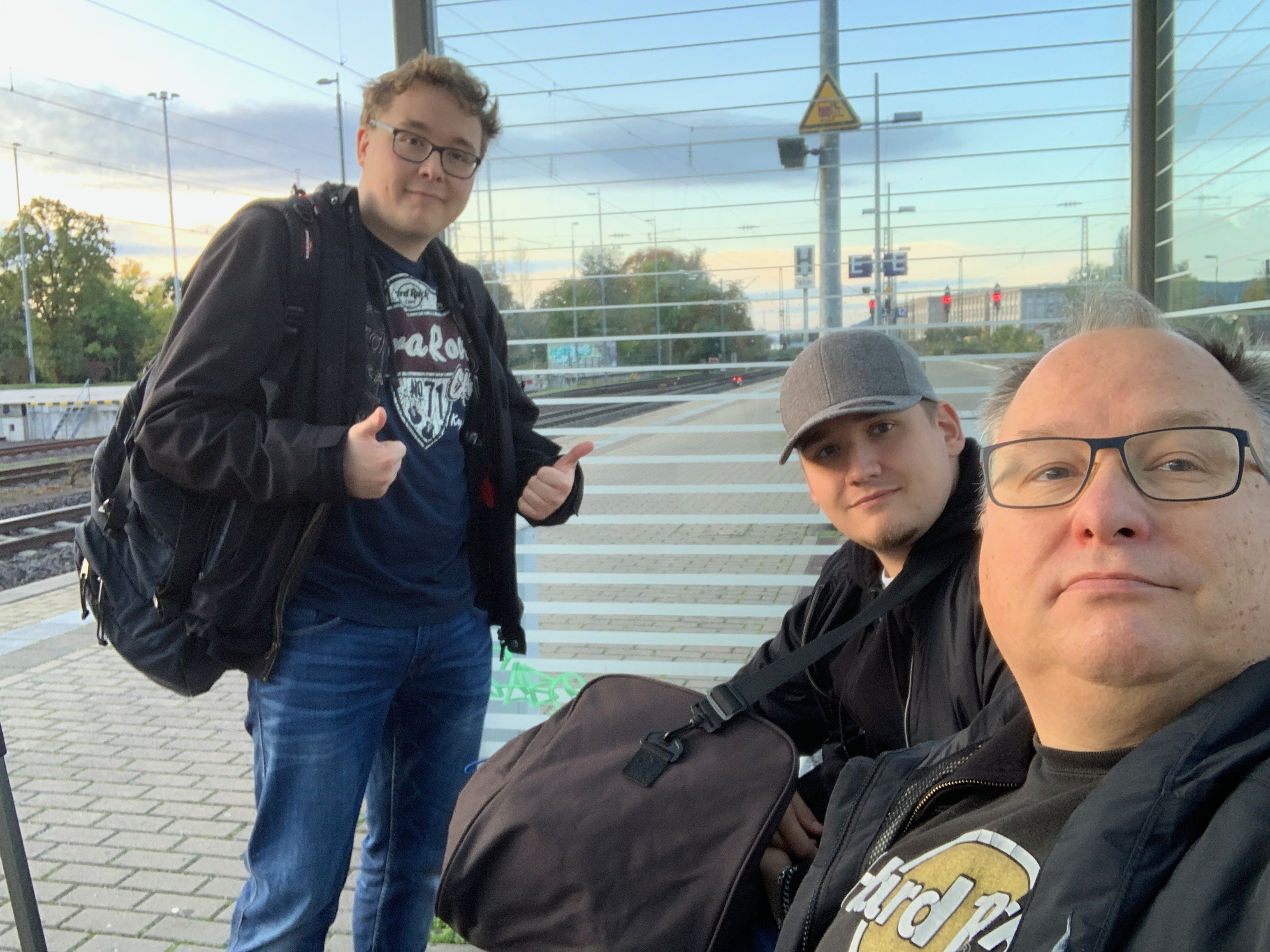
First we drove to Bückeburg by car to stay at my apartment, the next day we would leave early to catch the train to Berlin. As I have found out a car is useless in most big cities, there is perfect public transport and parking is nearly impossible and costs a fortune.

100

This is BLOG # 100! Never thought 2 years ago that I would write 100 articles! This year also KLM (my favorite airline) celebrates 100 years, congrats!

Police

First we had to overcome some police activity. As soon as we crossed the border a fast BMW overtook us and a sign came up “Police, Follow”. I thought that would be a border control but it turned out I had forgotten my MOT for 1,5 years… In the Netherlands they send you an email when it is due but in Germany they don’t….
Also my tires were “Formula 1 ready” So I had some explaining to do. Luckily the police man were quite understanding, they soon figured out that I did not do that on purpose and they let me go with a small fine and the promise that I would take care of it.

Train

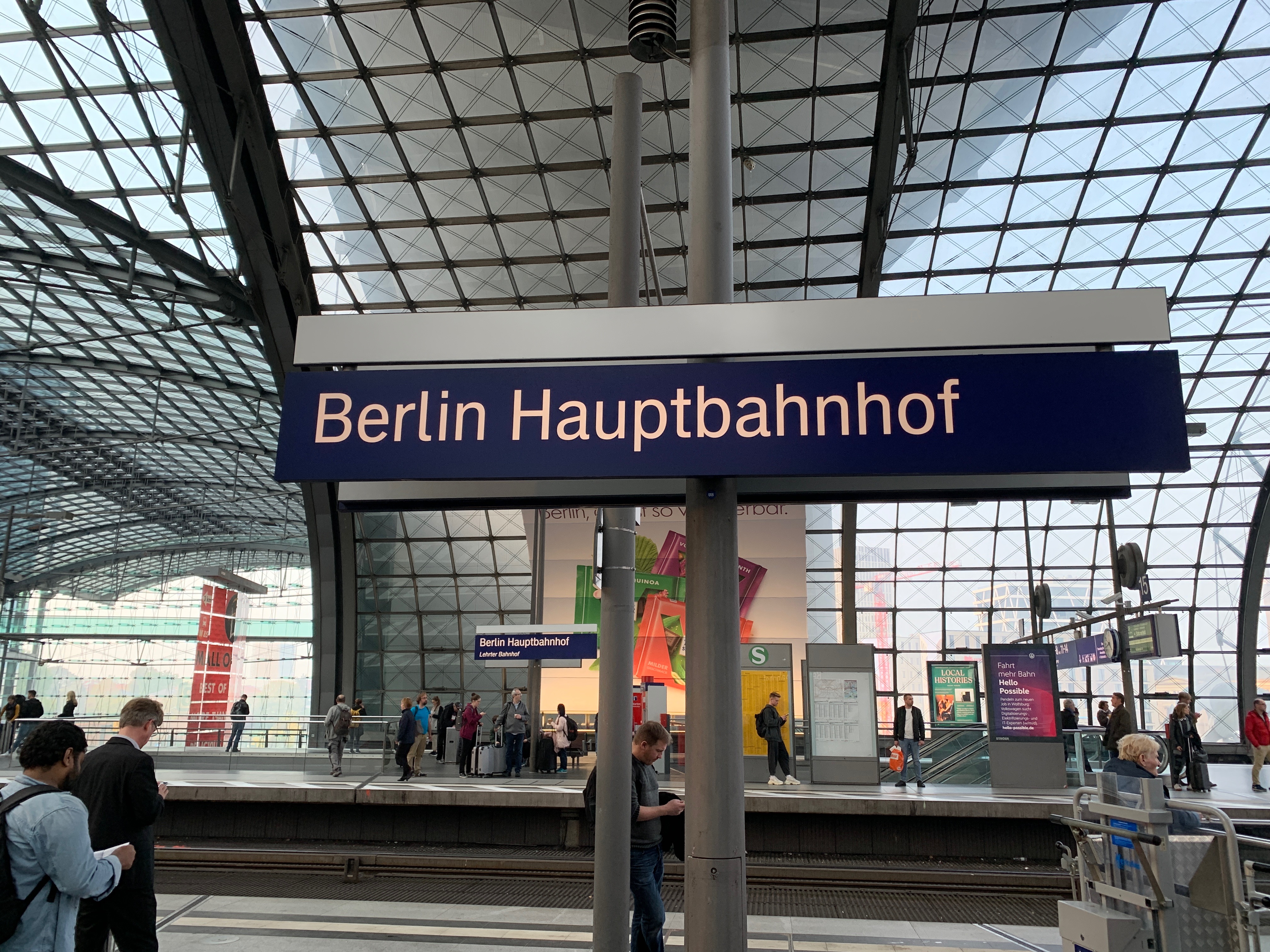
Trains are cool in germany. If you book on time and stick to a certain train you can travel quite far for a small amount of money. We even had first class seats. It was a nice drive and it went very fast. Impossible to match that with a car.

Hotel

The hotel was right next to the central station, perfect to use as a base to sightsee Berlin. The room had bunk 2 bunk beds but Robbert volunteered to sleep “upstairs”. Further it was not large but we were not there to enjoy the hotel room, but clean and the breakfast was good.

Berlin

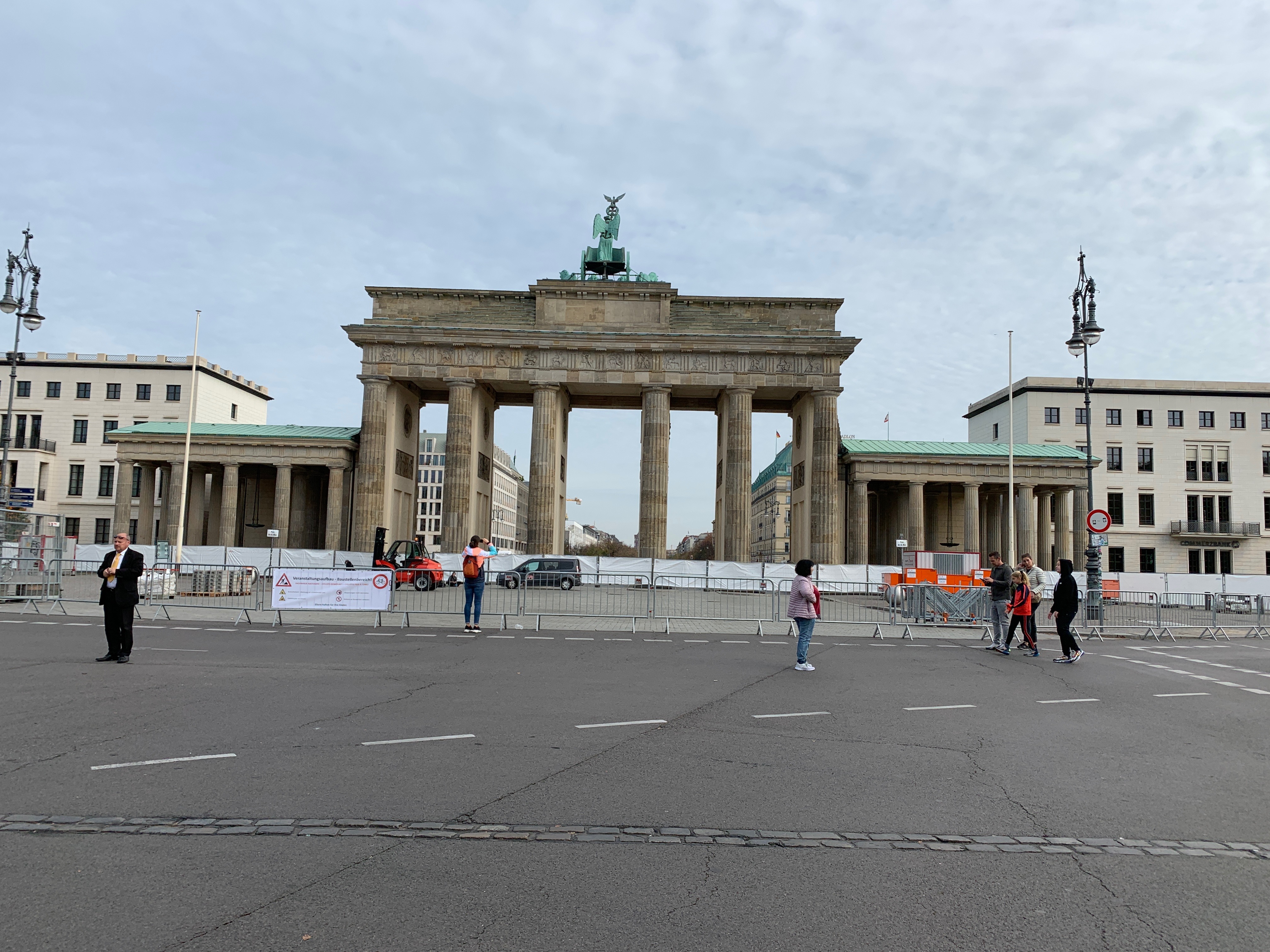
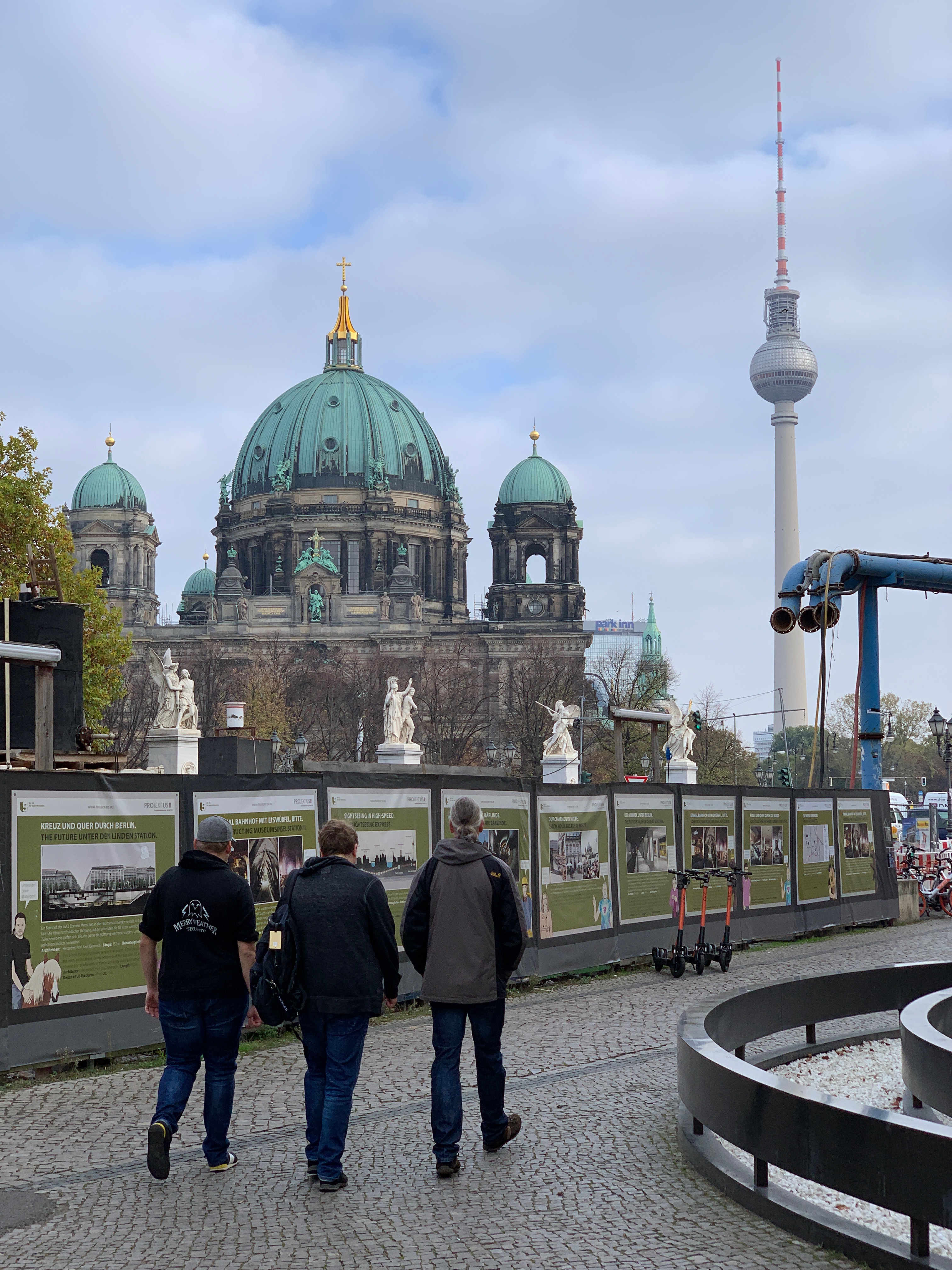
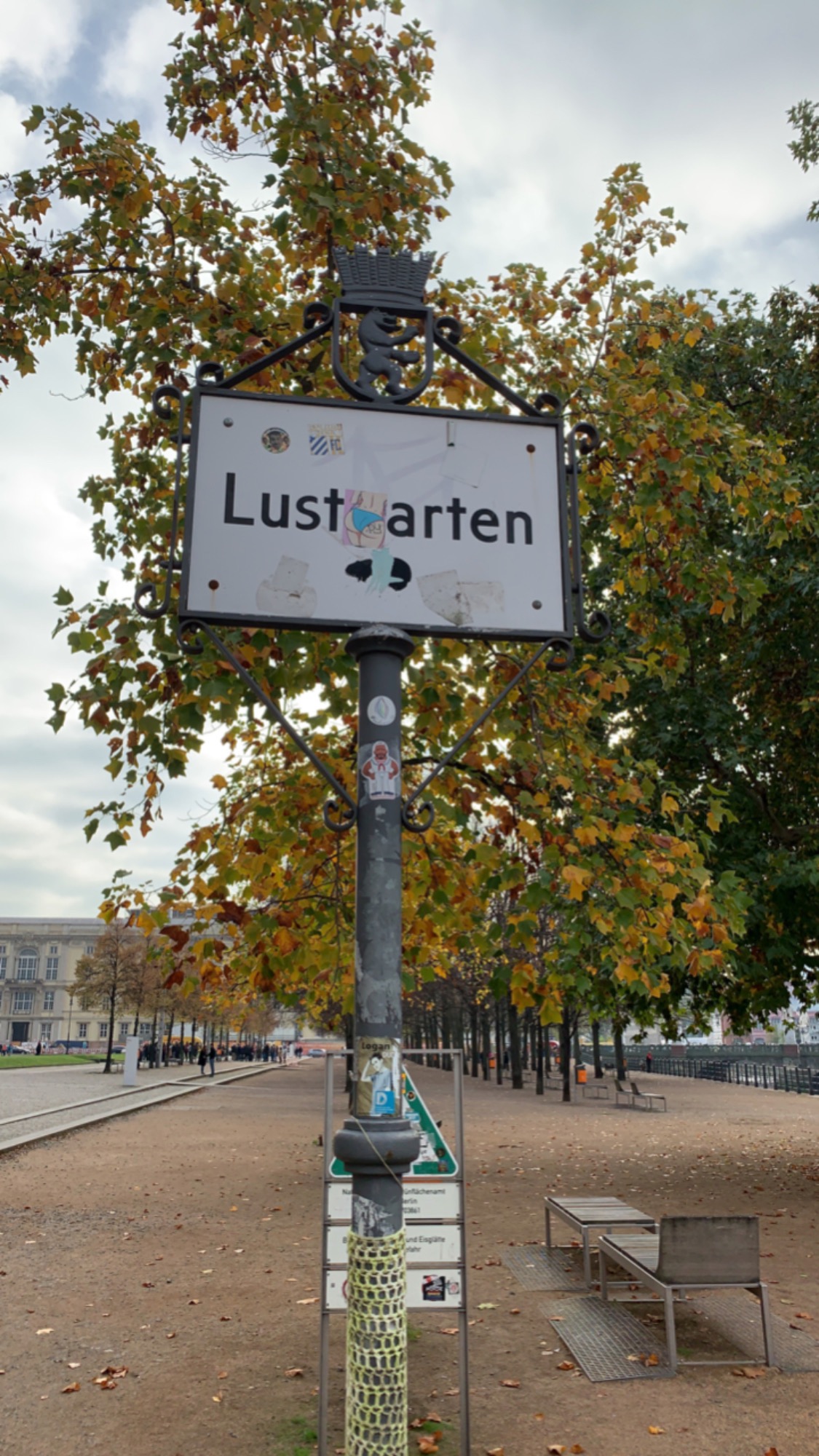
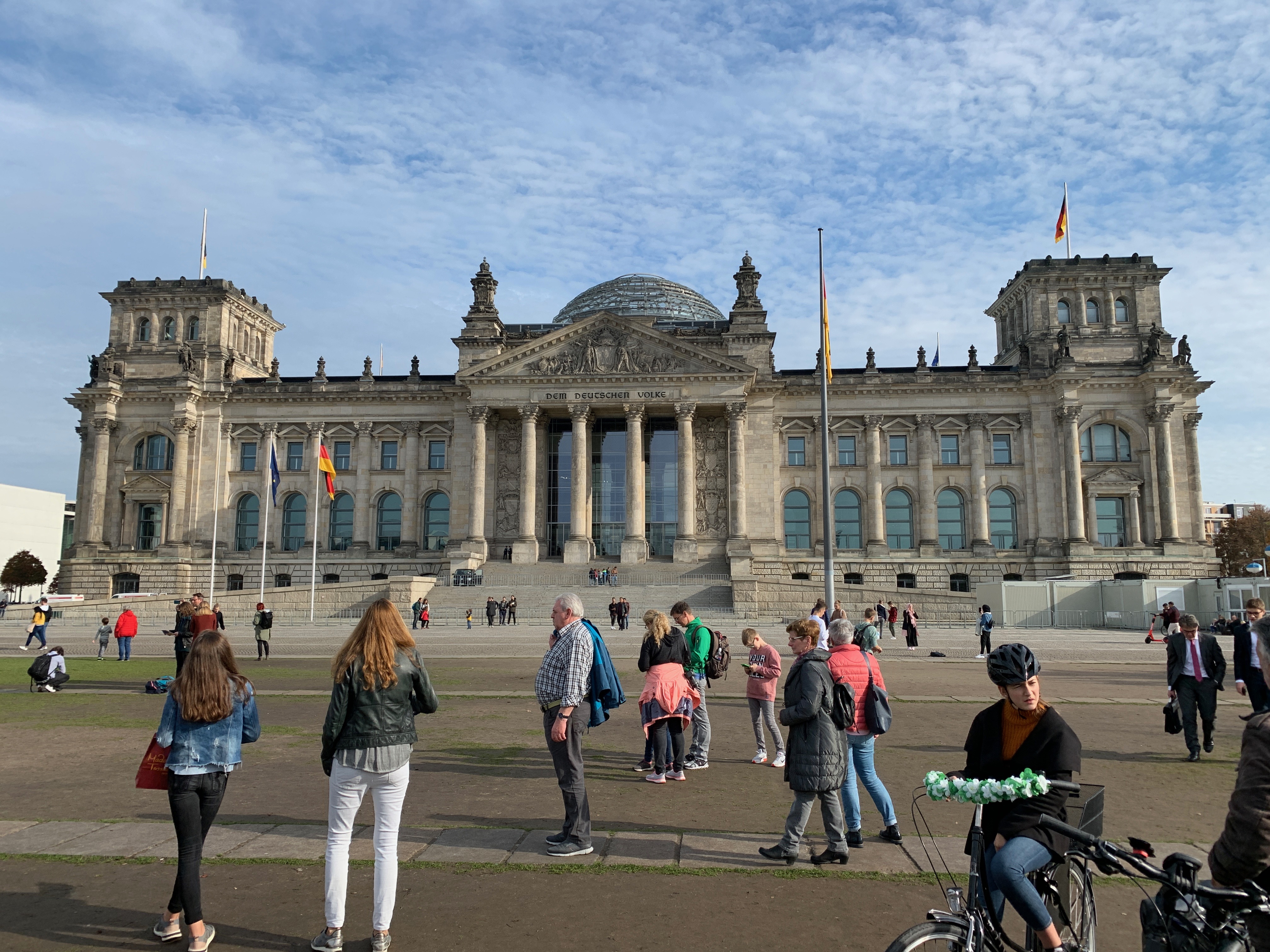
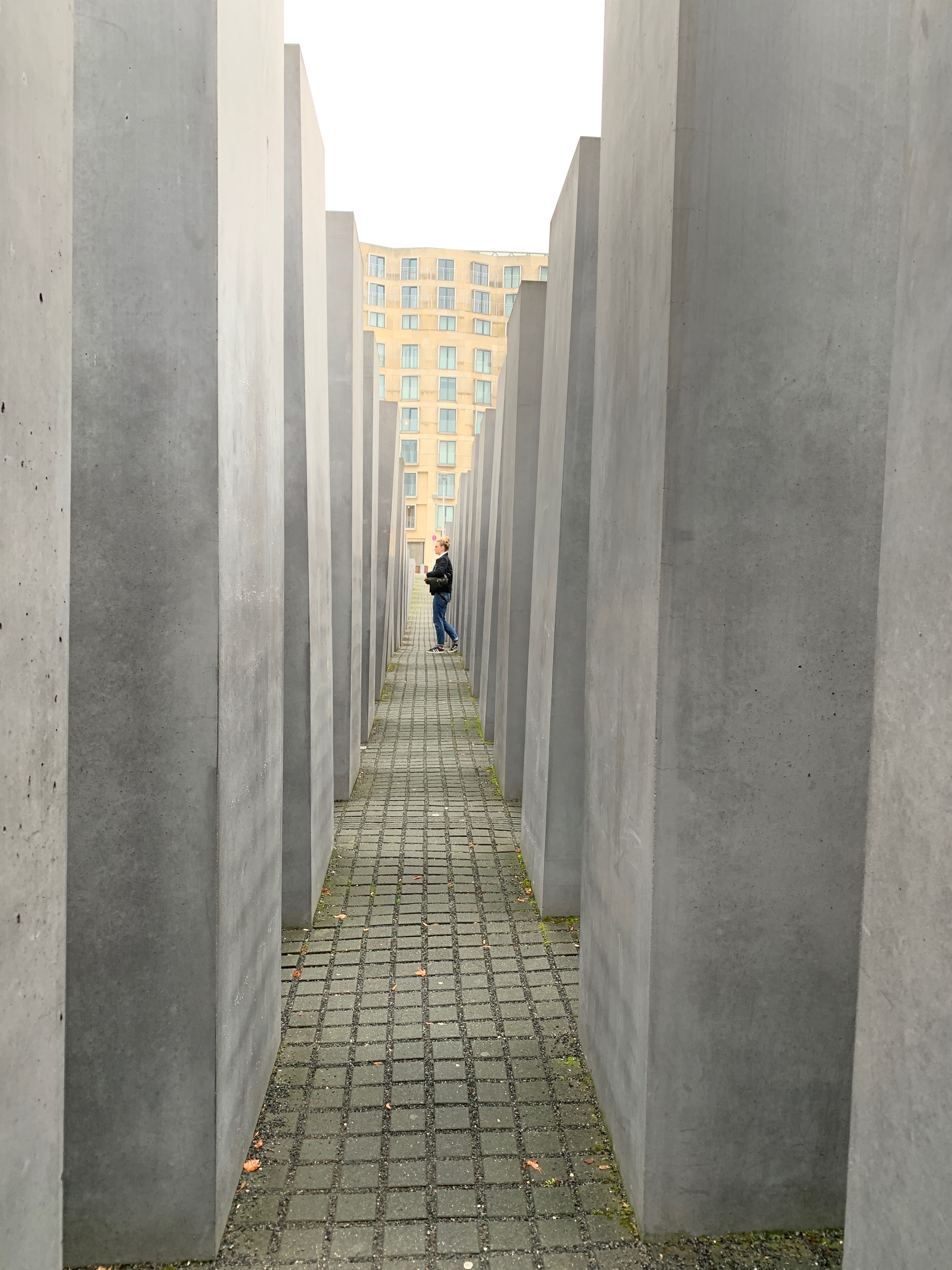
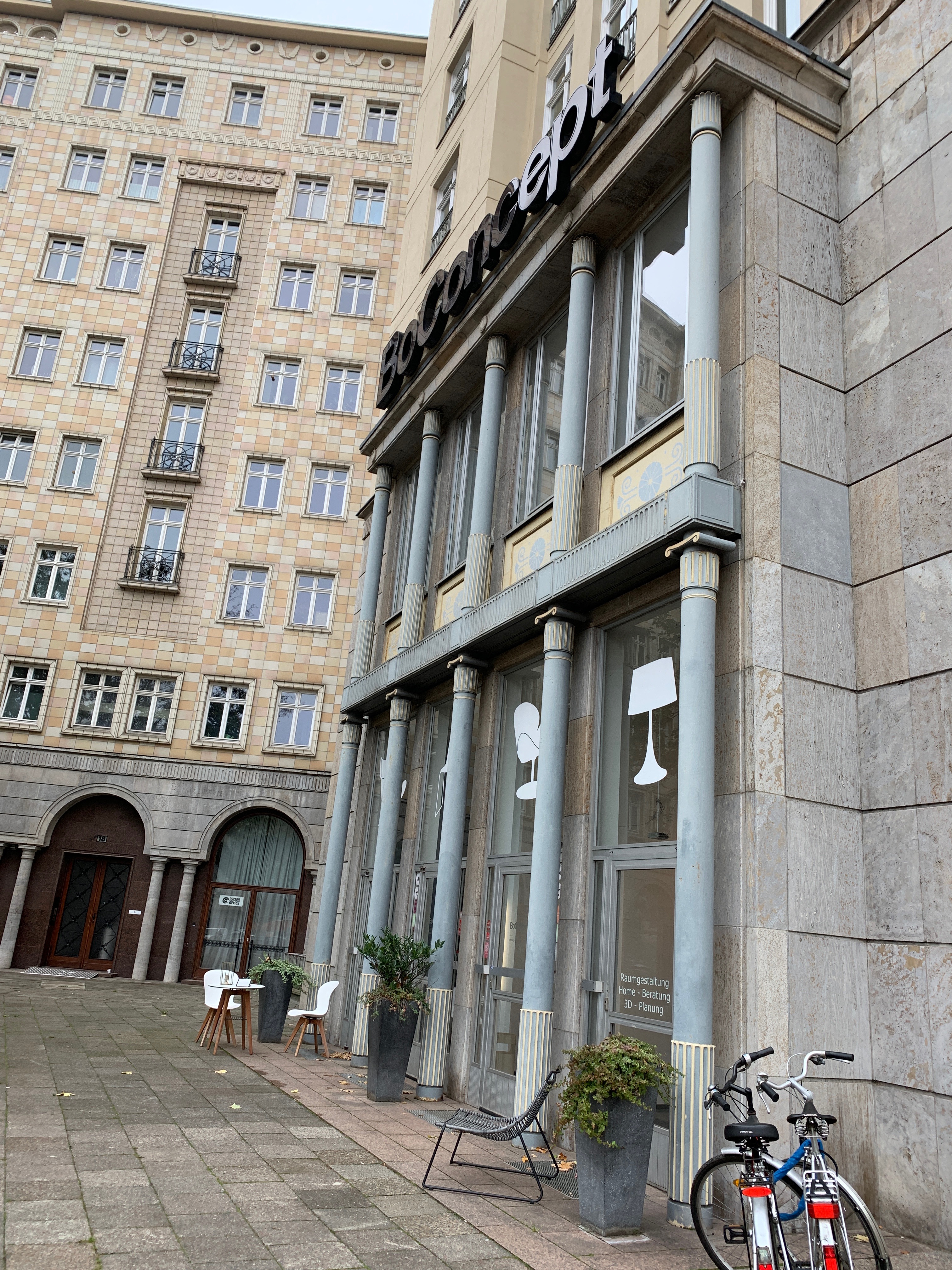
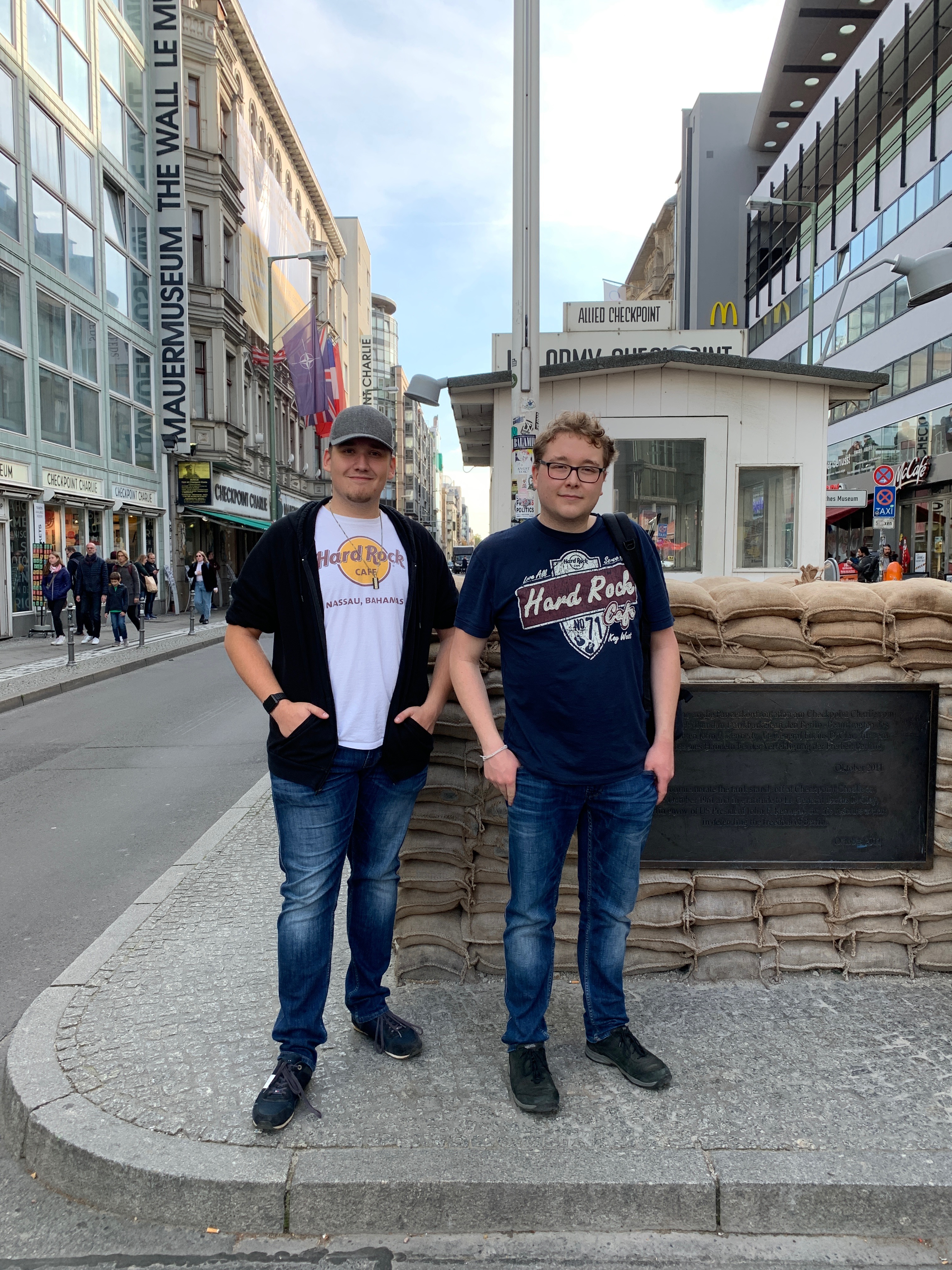
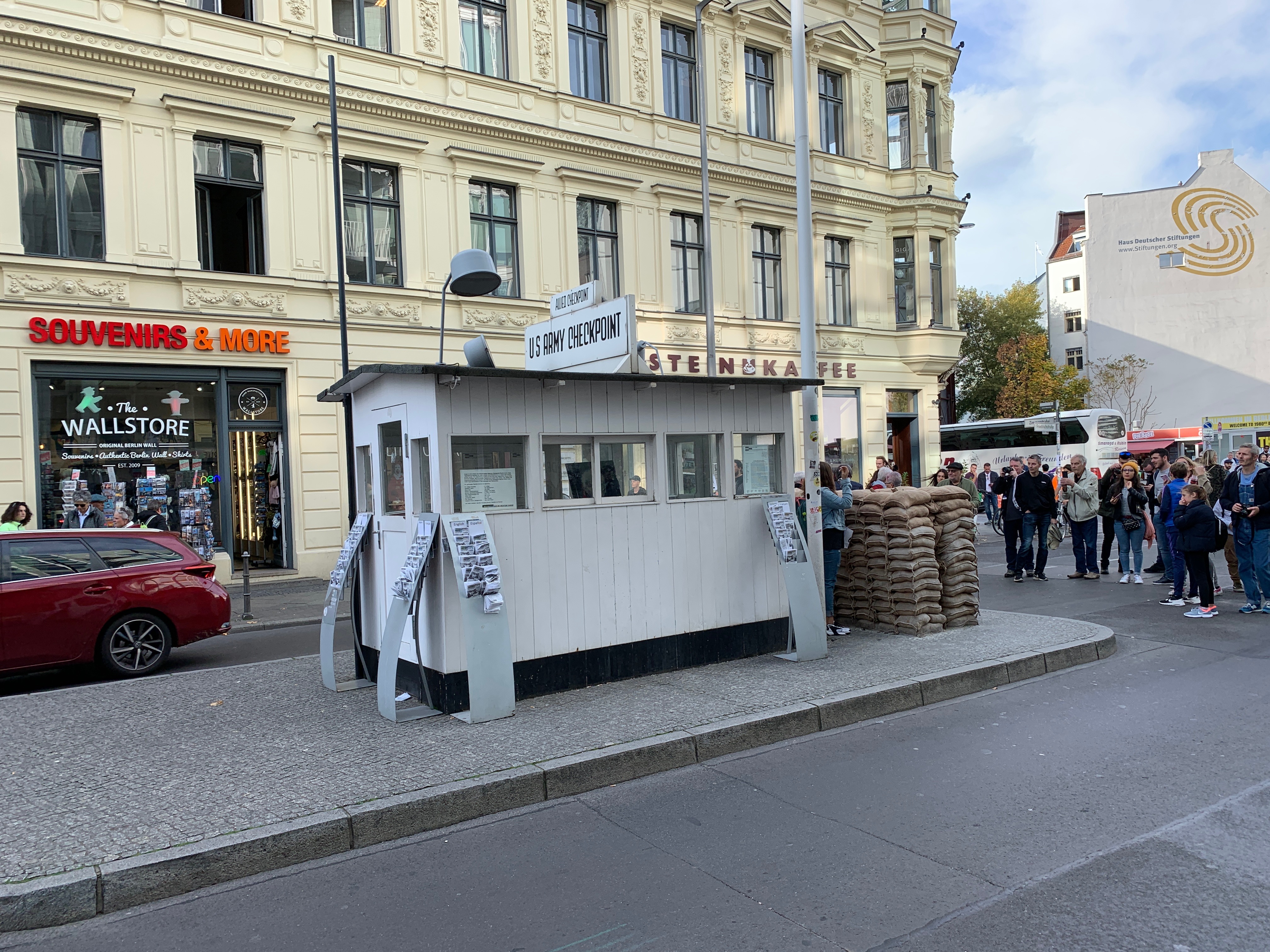
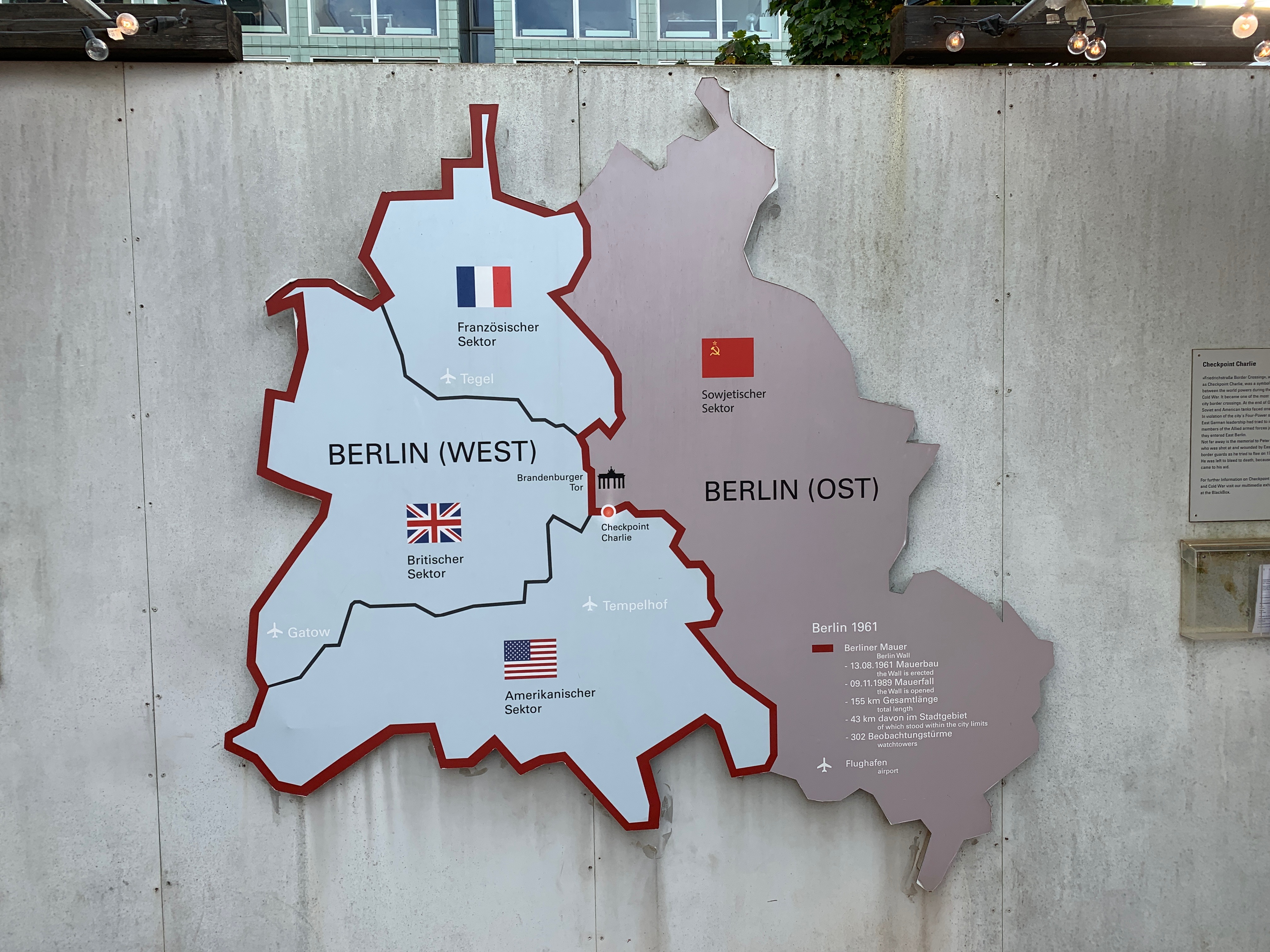
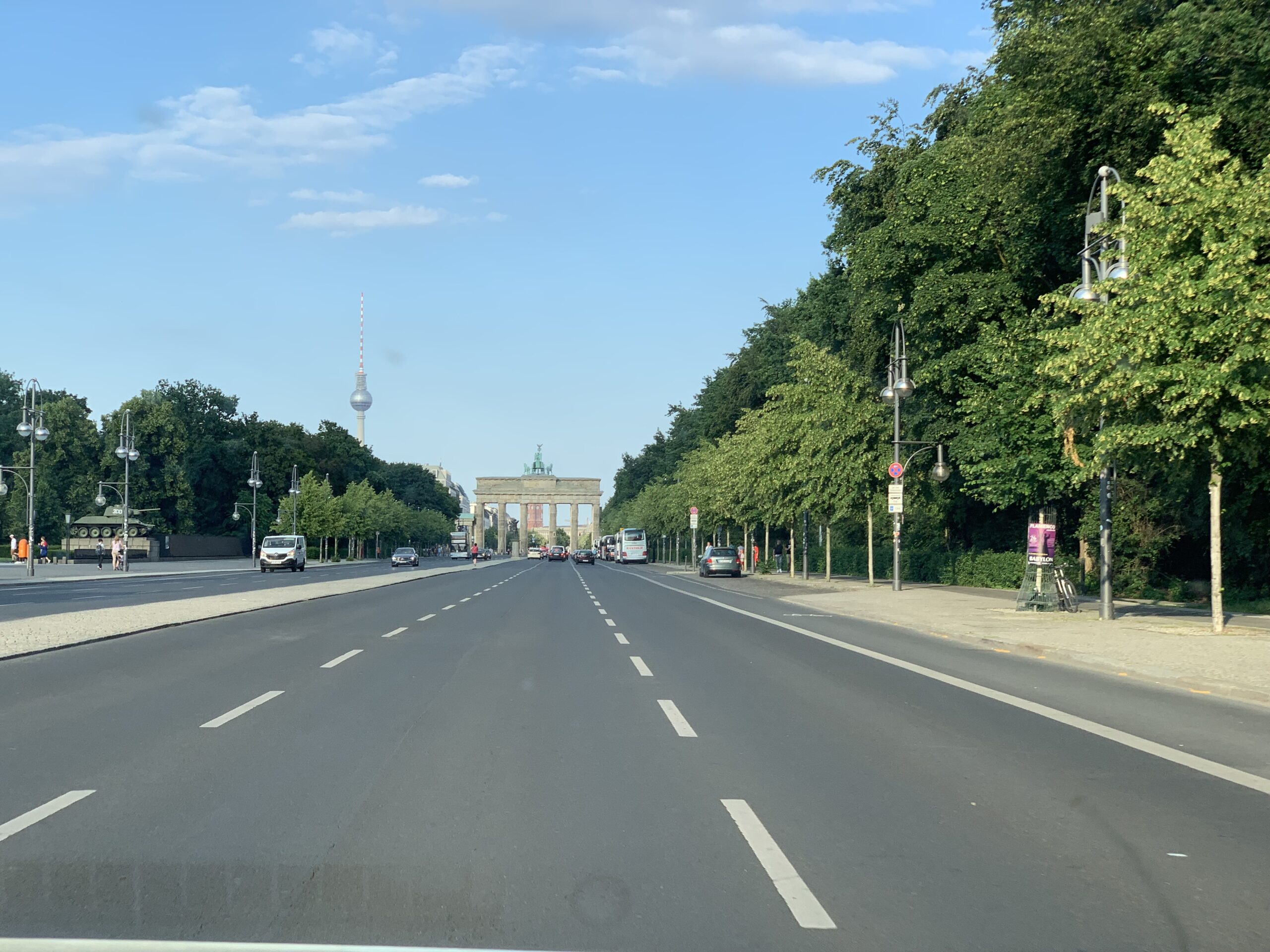
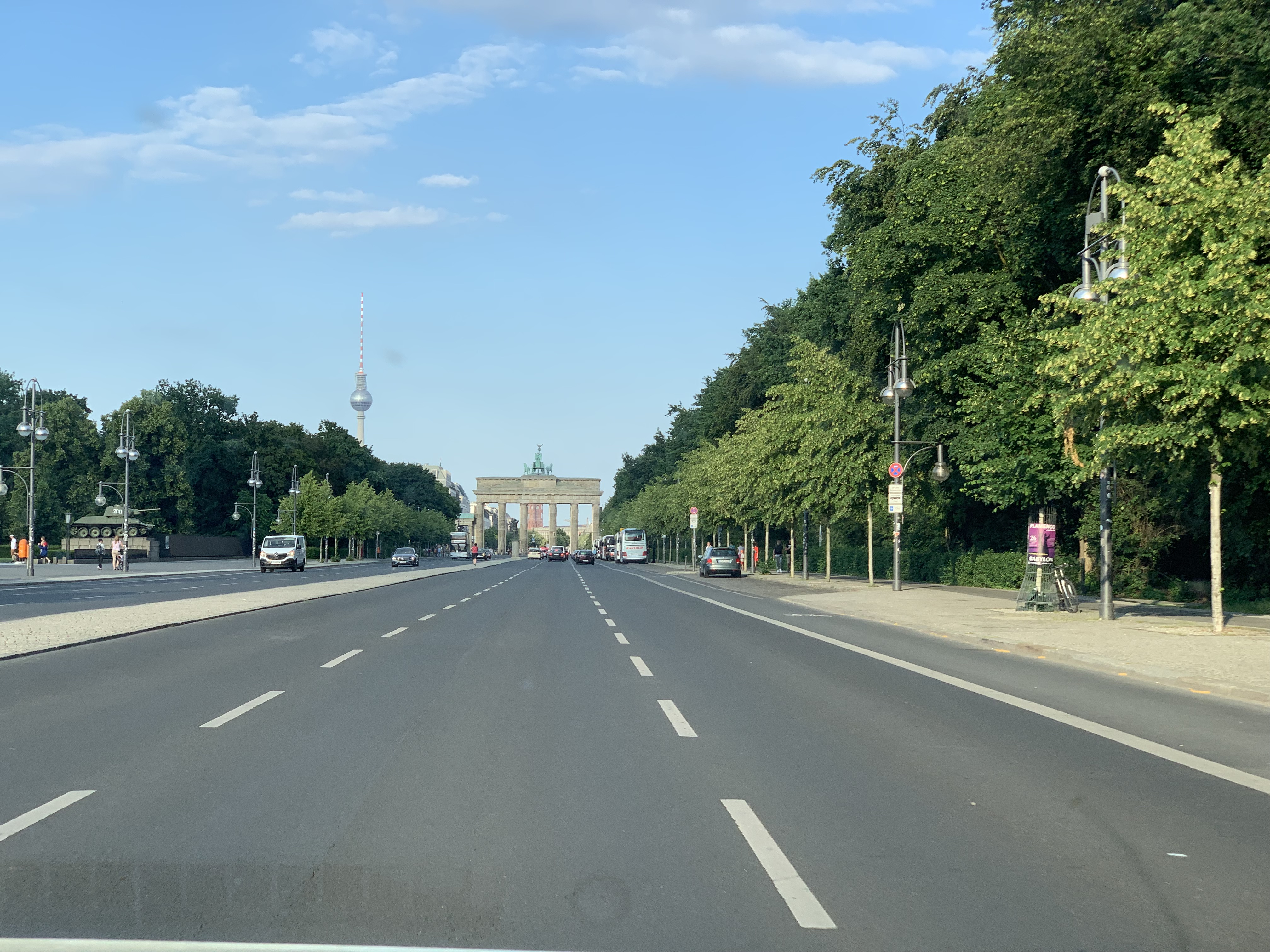
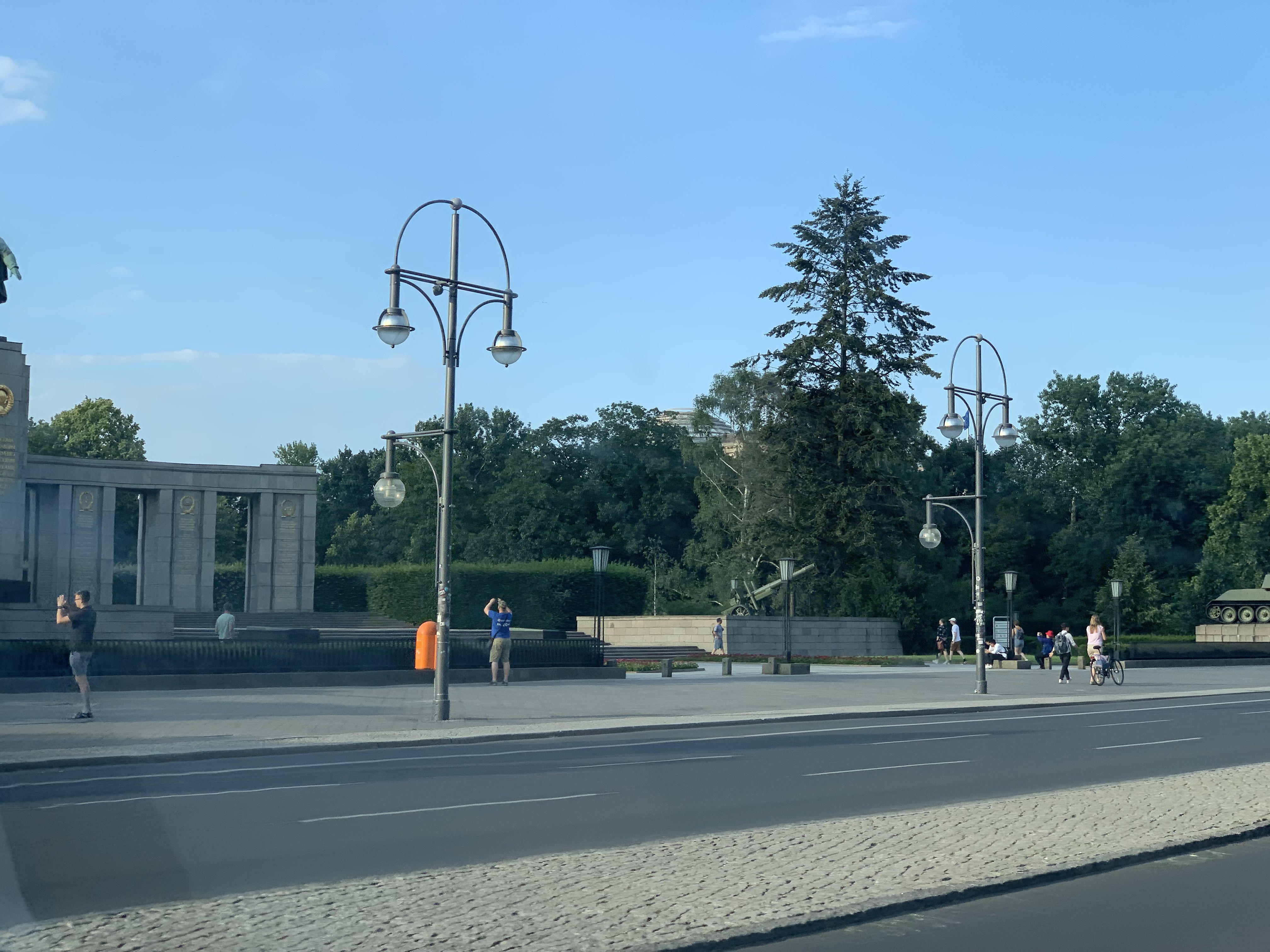
Time to hit the city. We did the usual stuff, Parliaments building, Brandenburger gate, Jewish monument, Checkpoint Charlie etc.
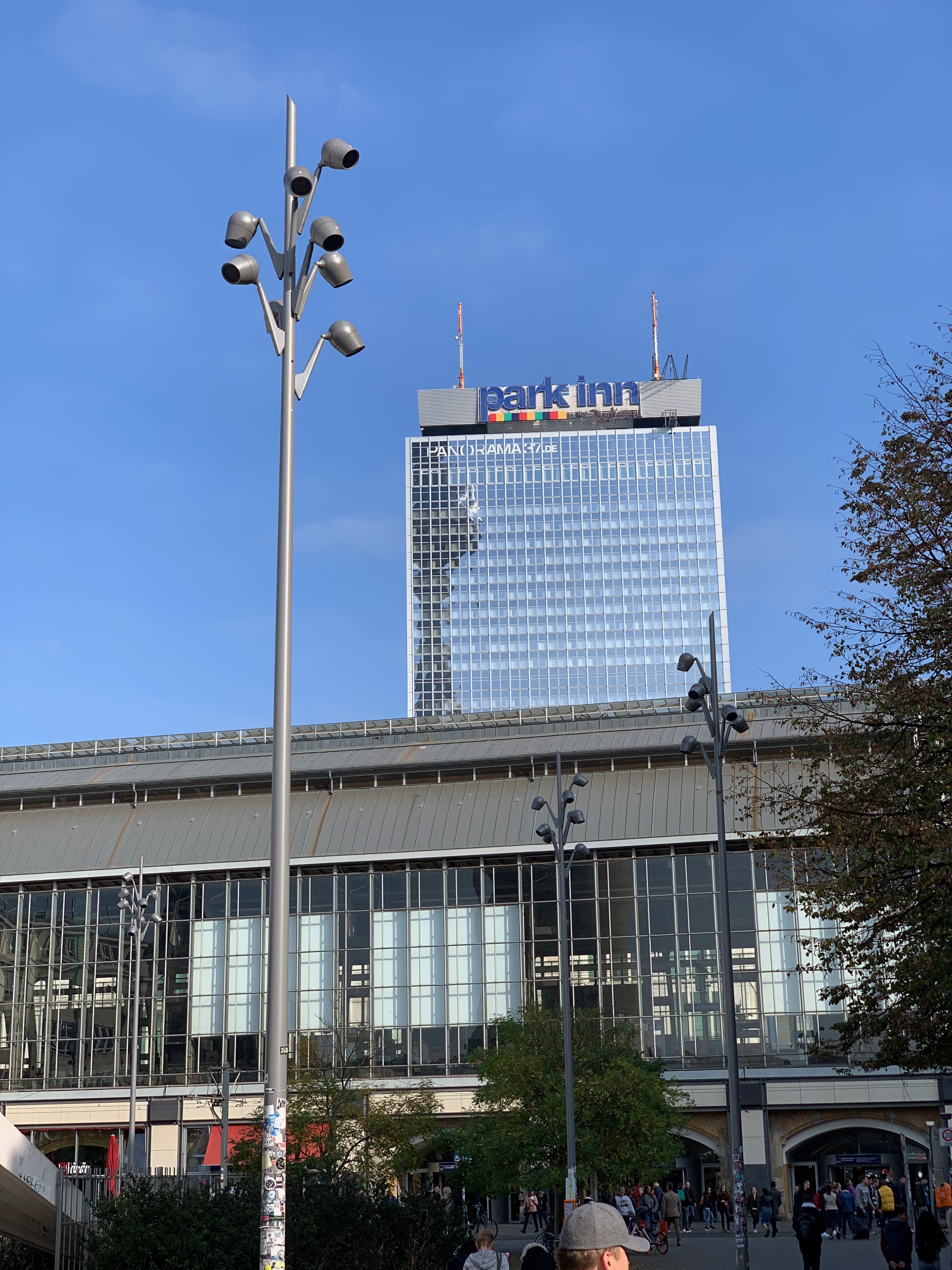
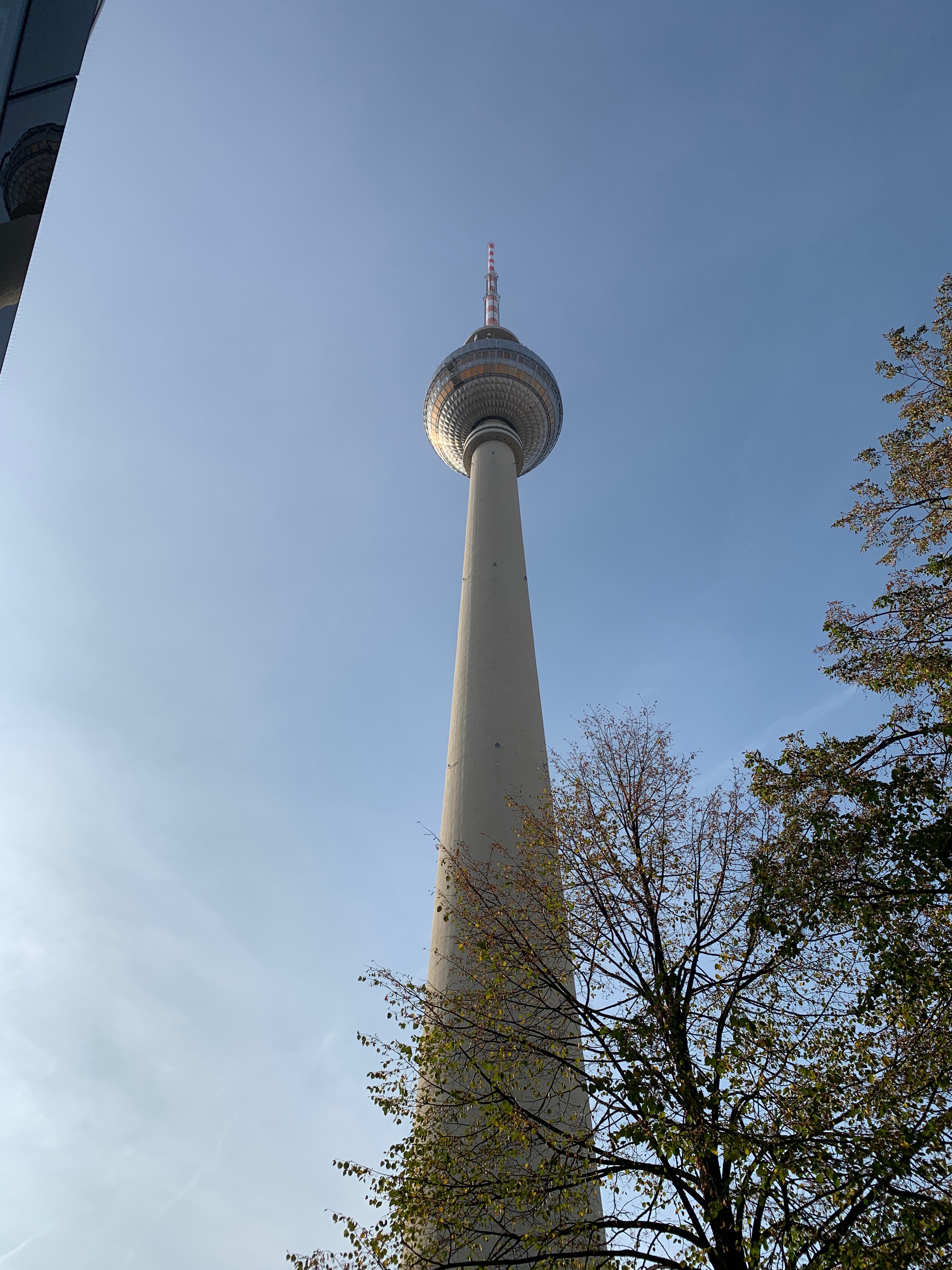
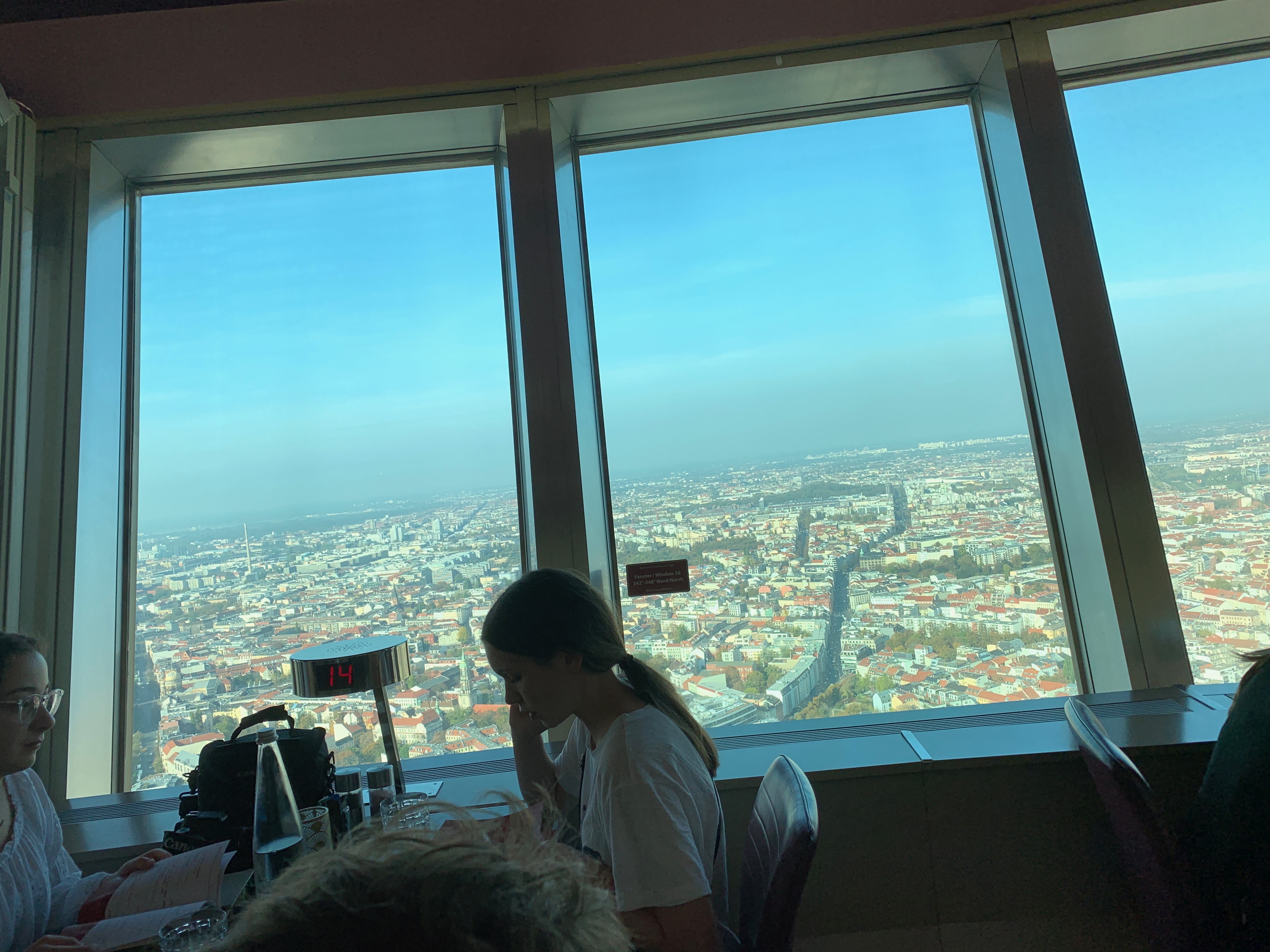
On Wednesday a friend who was born in East-Berlin, showed us around in the eastern part, very very nice. We had lunch in the TV Tower (207 meters high) Also we saw the largest part of the Wall that is still there.
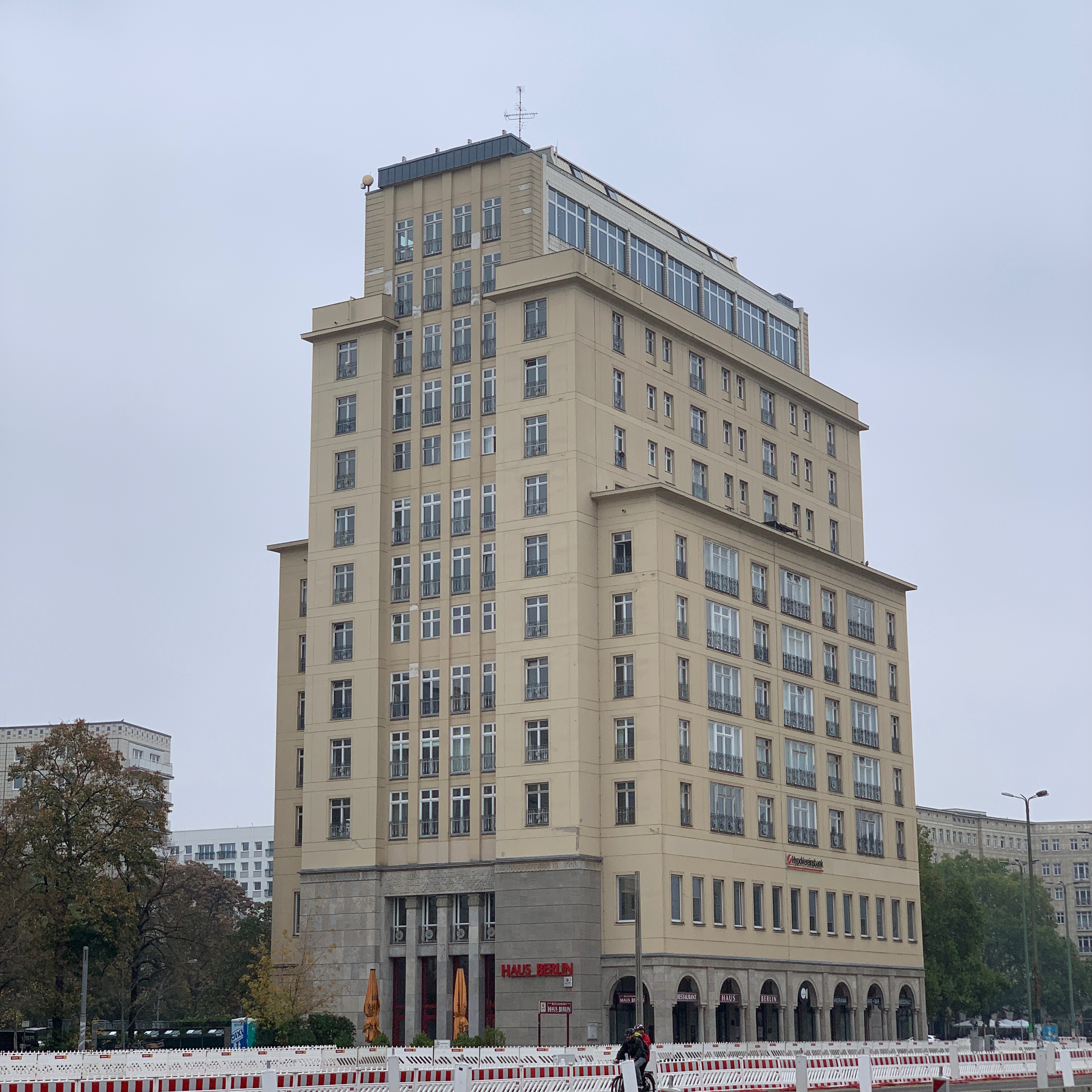
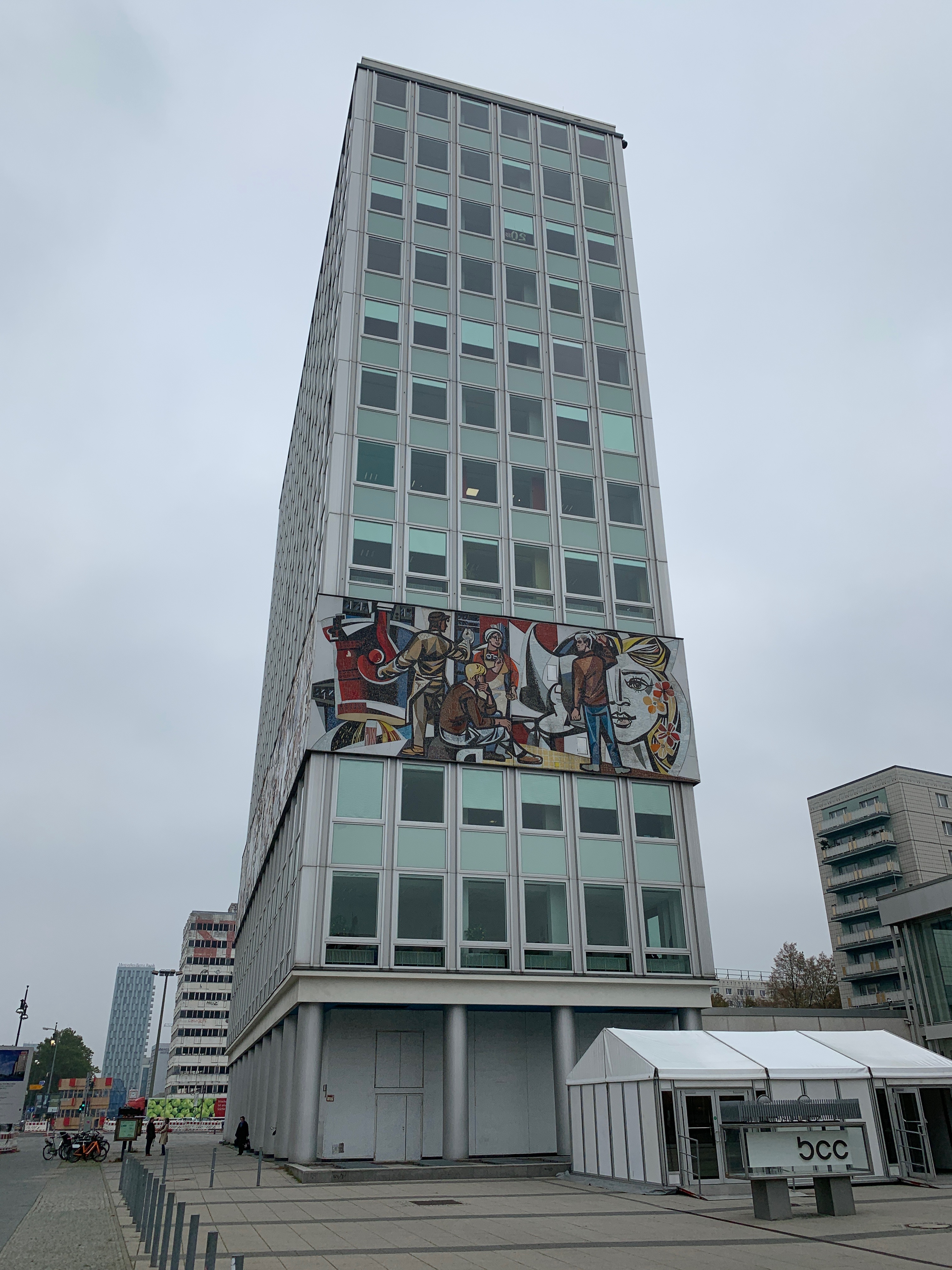
The next day we took the metro to see some other stuff like the Karl-Marx allee and much more. Berlin is very very nice. After every corner there is a reason to visit the city again. This month also is the celebration of 30 years since breaking the Berlin Wall.

AUTOSAR Workflow

Being without a car still cannot drag me away from AUTOSAR. We now have quite a nice AUTOSAR workflow.
You can start with SysML and then use M2M to create an AUTOSAR model, export that to an AUTOSAR authoring tool, add some more information and even use Rhapsody to implement AUTOSAR compliant SWC’s that contain statemachines.
You can also start with ARXML from a third party, read that in, use M2M to create a SysML model (Or UML) and the create your architecture there.

Back Home

Finally we had to return home, or at least to Bückeburg by train. Really tired (we walked more than 40 kilometer…) we hit our beds. On Friday I kept my promise to the policeman and went to the TÜV for a checkup. 2 days later the Dutch garage would switch my tires to wintertires. All is OK again.
Happy modeling with Rhapsody!

Walter van der Heiden

Task Force Rhapsody

Introduction

This week (and last week) I am in what the Germans call: “Ruhrpott” (or “Revier”, “Kohlenpott” or just “Pott”.
“Ruhr” is the river that flows through this area, “Pott” is pot, like for cooking.
The area is known for its industry, for all the Coal mines and its really, really dense population. (More than 5 million people live there but when you add the other cities that are very close, like Düsseldorf and Köln, the population is way over 10 million in a very small area.

The area has a reputation of being very polluted but this is actually far from the truth. It was cleaned up decades ago and the green area’s that they had were nurtured and cultivated. The hotel is in the middle of a green area and nice and for all, quiet!
See the pictures and you’ll understand.

Tasks

This week a question came in how to setup tasks in Rhapsody. As usual the answer is: “it depends”…
First you have to consider your Framework. I cannot speak for all but when you use OO-RTX (A single thread RXF) you have no choice: everything runs in the main task. Scheduling between your objects is done based on “Cooperation”. When you have completed your State-machine actions you basically give back control.
Using a “while(1)” in a state-machine is the same as blocking all other objects.
So you need a full-fledged Framework using an RTOS underneath.
Then you can set a Class to “active” in the features of that Class (“General” Tab) This means that ALL Objects of this class will run in their own task (Thread would be a better expression see: Threads )
So if you instantiate that Class 10 times, you end up with 10 tasks. That might not be what you want.

Structured Class

If you make a Class active and then give this class a structure diagram you can guide the way they are assigned to a task. All classes instantiated inside an active structured class run in the same task.

That is nice but if you want to control where all statecharts run (and even change it on the fly) you just have to create your Objects “by Hand”. You just call the Class_Create function from the Object in which task you want it to run, the Create function has a Task parameter, call that with class->ric_reactive->myTask. 
Your Statemachine then runs in the correct task. Don’t forget the Class_startBehavior() function….

Here is a small Rhapsody Model with the different methods in it.

That’s it, happy modeling with Rhapsody

Walter van der Heiden ( wvdheiden@willert.de )

IoT Exchange Berlin and a touch of GIT

Berlin’s Calling…

That is the title of a CD (and a movie) by Paul Kalkbrenner. I had to think of that when we heard that the IBM IoT Exchange Conference 2019 would take place in Berlin. I haven’t been to Berlin in ages, last time was in Potsdam at the previous IBM Conference. That was in November 2012, so a really long time ago.
So I was really happy to go, I really like Berlin. The city is not comparable to any other German city. It is the city with the highest number of start-up companies at least in Germany but I even think world-wide.
They also have a Hardrock Cafe… good for the collection. But there are many more places of interest to visit.
Visiting a Beergarden you hear mostly English around you. Very cool.
Luckily the Hotel was right in the middle of the city so at least I could see the “Reichstag”, “Brandenburger Tor” and some other monuments from the Uber…


Because as usual there was not much time left to visit the city but on the day of arrival we were invited to dinner in a very nice restaurant (“Ständige Vertretung”) which was in the days of the cold war something like an unofficial embassy.
That is one of the great things about Berlin, the city is really full of history. The second day we were invited to the Bikini Place where IBM has a so-called “pop-up store”.
For the rest is was speaking with customers, future customers and partners. And I had a presentation. No recording this time.

GIT

A few years ago most questions about Config management were directed to using SVN. This has changed, most people now ask me how they should use GIT. I have written a small piece about GIT in https://rhapsody.blog/2018/08/24/da-boston-broker/ but that was not really a lot.
So. Can you use GIT from Rhapsody? Short answer: YES!! Long answer: Yes, of course but do some thinking before…
The workflow in GIT is different than that of “classic” CM systems. “Normally” you have a working copy and you check-in/-out your changes into the repository. In GIT this works in 2 phases, you have a working copy but when you check-in/-out you do that in your local repository. You can then merge your repository with the central one.
The advantage is that you have all the changes locally and that you can work independently of others.

There are companies that deliver you a GIT server platform that is free (or at least free for personal use) like GitHub, GitLab and BitBucket. They are very convenient for quickly setting up projects.

Configure Rhapsody for using GIT

You need to install git first. I use a MAC that means that installing XCODE will automatically give me git. I recommend installing SourceTree so you can work with a GUI.
GIT will do automerge if you do not tell it to leave your files alone… You have to create a file called .gitattributes (Yes the “.” should be there… makes the file invisible) where you enter the following:

# Following files are treated as binary files
# GIT does not try to merge them
# "Old" Rhapsody files
*.rpy binary 
*.rpw binary
*.sbs binary
*.cls binary
*.cmp binary
*.ehl binary
*.omd binary
*.msc binary
*.ucd binary
*.ctd binary
*.clb binary
*.dpd binary
*.std binary
# "New" Rhapsody files
*.rpyx binary 
*.rpwx binary
*.sbsx binary
*.clsx binary
*.cmpx binary
*.ehlx binary
*.omdx binary
*.mscx binary
*.ucdx binary
*.ctdx binary
*.clbx binary
*.dpdx binary
*.stdx binary

The .gitignore is for indicating which files should not be checked in into the CM system.

#git ls-files --others --exclude-from=.git/info/excludeLines that #start with '#' are comments.
#For a project mostly in C, the following would be a good set of
#exclude patterns (uncomment them if you want to use them):
#*.[oa]
#*~
#/.metadata/
*/log/
*.d
*.o
*.obj
*.log
Snap.*
.dmp javacore.
heapdump.*
*_auto_rpy
*_auto_rpyx
*.pdb
*.db
#Ignore old RHP Model files
*.rhpold
*.rphold1
*.rhpold2
*.rphold3
.DS_Store
Code/KeilARM
Model/PureVueCpp - Kopie
Code/Windows/BrokerTest/VS2015/DeployerBackups
Code/Linux/TestInheritence
Code/String
Model/DDSTutorial
Model/PureVueCpp/BrokerStandAloneTest
core

I have put the following in my .gitconfig file, this should let GIT start the Rhapsody diffmerge program when merging/diffing.

[difftool]
     prompt = false
 [mergetool]
     prompt = false
 [diff]
     tool=difftool
 [merge]
     tool=mergetool
 [difftool "difftool"]
     cmd = difftool $LOCAL $REMOTE
     keepBackup = false
 [mergetool "mergetool"]
     cmd = mergetool $LOCAL $REMOTE $MERGED
     keepBackup = false

Then I created 2 batch files: difftool.bat and mergetool.bat that call diffmerge with the correct parameters.

echo difftool $1 $2 $3 $4 $5 $6 $7 $8
 diffmerge $1 $2 -compare -recursive
echo mergetool $1 $2 $3 $4 $5 $6 $7 $8
 diffmerge $1 $2 -merge -out $3 -recursive

Using this in Rhapsody

This should help you using GIT “outside” of Rhapsody. Please only check-in/-out only complete models, not “single” files, that is dangerous.
You can use the Rhapsody CM commandline interface to at least check-in/-out locally (index) and then use diffmerge to do a weekly (or so) merge with other developers. You should create a profile (Actually a settings file) “RPY_GIT.prp with something like this (Definitively not complete!):

Subject CG    
  Metaclass General      
    Property IncrementalCodeGenAcrossSession Bool "False"    
  end  
end  

Subject General    
  Metaclass Model      
    Property AutoSynchronize  Bool "False"      
    Property PathInProjectList  Enum "Absolute, Relative" "Relative"      
    Property ReferenceUnitPath  Enum "Absolute, Relative" "Relative"      
    Property SupportIncrementalModelSynchronization Bool "False"    
  end  
end  

Subject ConfigurationManagement    
  Metaclass General      
    Property CMTool Enum "None,ClearCase,RTC,RPY_GIT" "RPY_GIT"      
    Property UseSCCtool                     Enum "Yes,No" "No"         
    Property EncloseCommentsInQuotes        Enum "Yes,No" "No"      
    Property GUI                            Enum "Flat,Tree" "Tree"      
    Property RunCMToolCommand               File ""      
    Property ToolCommandTimeOut             Int "180000"      
    Property DefaultLockReserveOnCheckOut   Bool "False"   
  end  
  Metaclass RPY_GIT      
    Property AddMember  String "\"$OMROOT/etc/Executer.exe\" \"git add \"$UnitPath\";"      
    Property CheckIn    String "\"$OMROOT/etc/Executer.exe\" \"git commit \"$UnitPath\" -m \"$log\\";"      
    Property CheckOut   String "\"$OMROOT/etc/Executer.exe\" \"svn checkout \"$UnitPath\";"  
  end  
end

Last… but not least

You can use the pull/merge commands to push your local changes to the server (or fetch the server changes to your local copy)

This might not be the perfect solution for you but at least you can use this to build your own GIT integration!

More Info

There is a free eBook about GIT.
OK Nerds: stop reading. There are many nice GUI’s for GIT. I personally like SourceTree. But there are many more (also free!)

OK. That’s it. Have a great time using Rhapsody

Walter van der Heiden ( wvdheiden@willert.de )

EW 2019

Introduction

And… it is time for the yearly “High School Trip” for grown-ups: The Embedded World. We used to be there every year. Even since my Tasking days I have visited the EW (First time in 1998 if I’m not mistaken)
Since I am at Willert in 2001 we had a booth (together with Easycode, Microconsult, and in the beginning, Keil ( Before they were taken over by ARM)
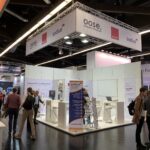
We gave up in 2014 but we returned in a smaller way in 2016 and 2017 together with LieberLieber (& Sparx Europe) In 2018 we skipped again but we decided to give it a try again with a new concept together with our Merge Partner Sodius and with OOSE. 
So we have a booth again. Hall 4-150.

EW

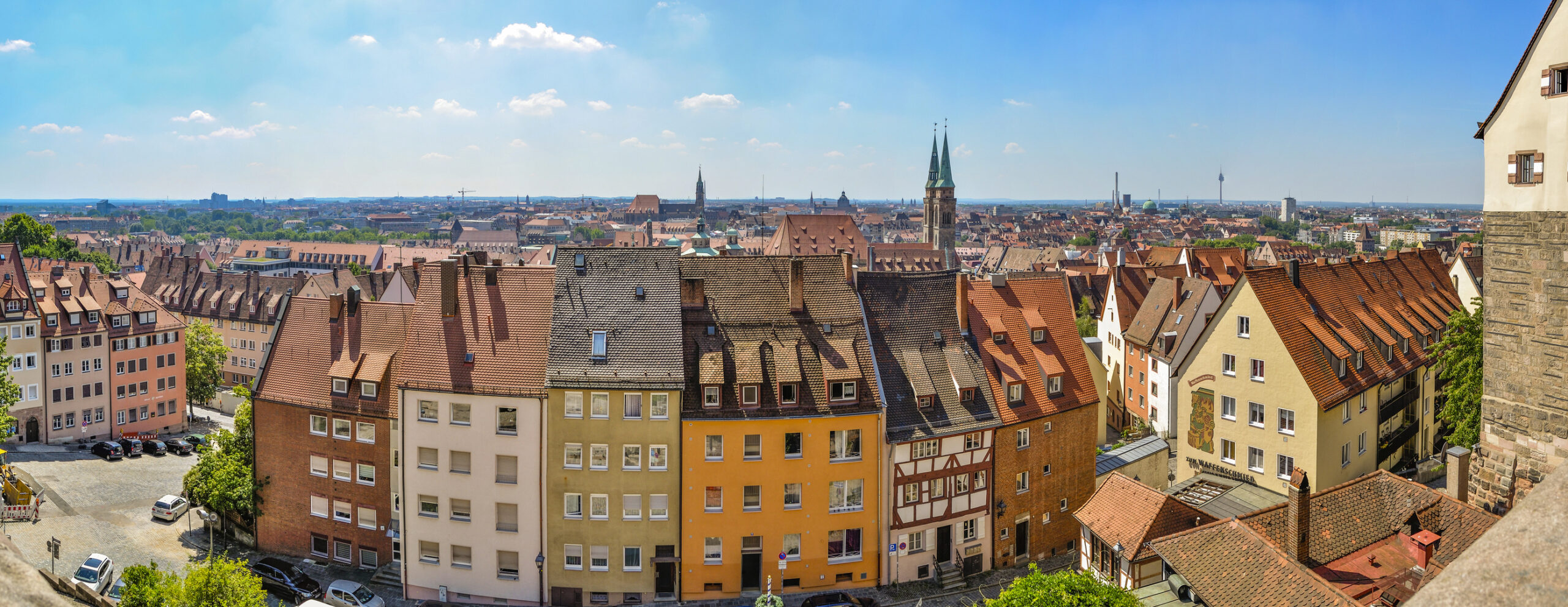
The Embedded world is a 3-day fair all about embedded. Lots of exhibitors in Software and Hardware. Lots of people I know and sometimes haven’t met in years. After 3 days you are really really tired from standing and talking all day and part of the evening.
Also, of course, we are traveling to Nürnberg on Monday, for me that means travel to Bückeburg on Sunday evening… Then we built up the booth, most of it is done by a company that builds up the booth but we have to install some stuff ourselves.
We are always in the same hotel… it has changed ownership a couple of times but we are still there, not because of the great rooms (they are not great… they are OK.) but because it is quite near the fair and because of the great steaks they serve there. And… no… i will not tell you where it is 😉
The very nice thing is that the embedded scene is quite small so you know lots of people there. People change jobs so sometimes they work somewhere else (Like Emmanuel, he worked for us years ago, he has built the Target Debugger together with Alberic)

Stress

Then 3 days of stress. 3 presentations in the forum in Hall 2, and speaking with (potential) customers and giving demo’s. At night visit partners and then to the hotel, eat a steak and sleep.
After 3 days my feet hurt and then at 17h the gong sounds and we can pack the car and drive back to Bückeburg. Where we will arrive in the middle of the night… But it was all worth it. We’ll be back!


So that was it for today, I spoke with a lot of potential new Rhapsody customers!

Happy modeling with Rhapsody ( wvdheiden@willert.de )


Back in Hyderabad, India

Introduction

Sorry, hardly time to write these days. We are having long days to use the week as effectively as possible. And then there is the time difference… If I am finally done working the US is just waking up and full of energy looking at projects.. My home city is preparing for dinner… But lets not complain. I will write more about India later, first I want to write something about the (near) future!

Embedded World

We are back at the Embedded World!! Yes finally. Not as big as before, we don’t see the point in having a huge booth anymore, a small one will do as well. We cooperate as before but now with OOSE (and with Sodius, of course)!
The Embedded World will be in the “Messe Nürnberg” from February 26-28. We are in Hall 4, Booth 4-150. We have Coffee….;-)

The motto will be:

EEE

(Engineering Efficiency Empowerment by seamless integration of Process, Methods and Tools)

The ability to collaborate across disciplines is the key success factor in product development. In today’s engineering processes we see a multitude of heterogeneous systems, which should fulfill the demand for integrated systems. We use requirements management tools, ALM / CLM / PLM solutions, modeling tools, department-specific tools, quality analyzers, just to name a few. All equipped with interfaces for integration or collaboration with other tools. Nevertheless, it is always a challenge to pass data loss-free from one discipline to the next. It is even more difficult when data is to be exchanged across company boundaries. Because often only a filtered subset of data is exchanged, or different standards or tool versions are maintained.

Willert, oose and Sodius cooperate with the objective to support you in the optimization of your processes and engineering methods and to ensure a valid data flow between the departments. Willert contributes its expertise in embedded and systems engineering. oose contributes its expertise in process and method consulting. And with SECollab, Sodius offers a tool for visualizing and processing engineering data from a wide variety of tools and disciplines.

Our Offer

On our booth on the Embedded World in Nürnberg we offer you a free, 30 minutes analysis and evaluation session of your current situation at our stand and give suggestions for improvement directly.

Use the expertise of Andreas Willert and Tim Weilkiens at our booth Hall 4 – 150 on 26. – 28.02. in Nuremberg. A maximum of 8 slots are available per day. If you want to be sure of getting a slot, make an appointment before the fair with Mrs. Willert: swillert@willert.de (Tell her I sent you…)

Of course I will be there to answer Rhapsody questions live!

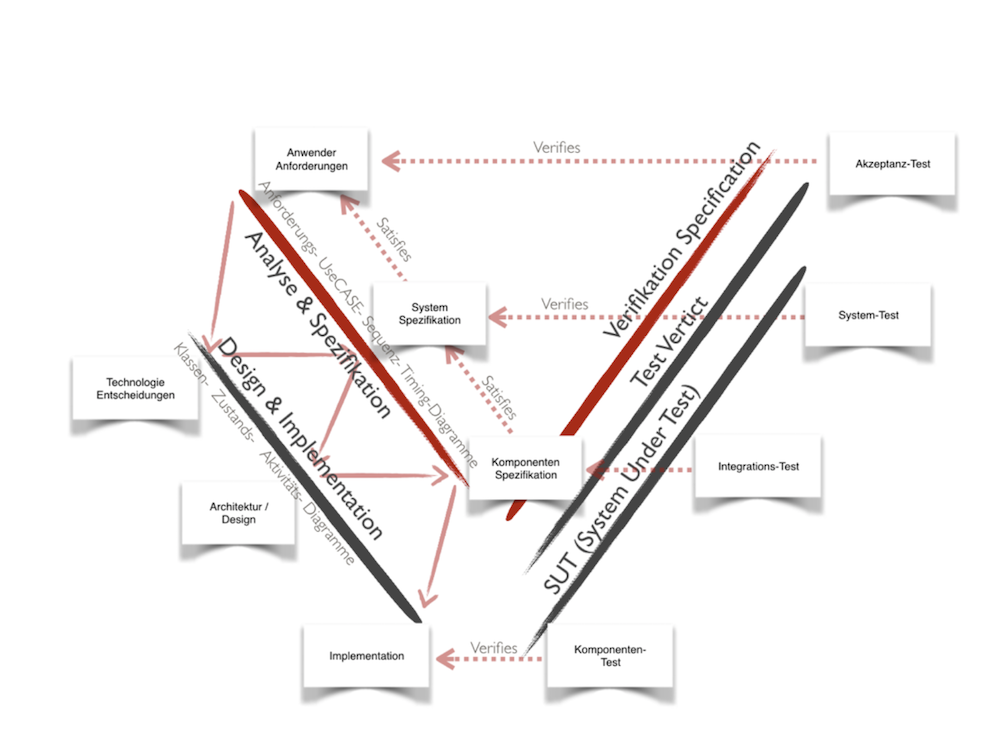
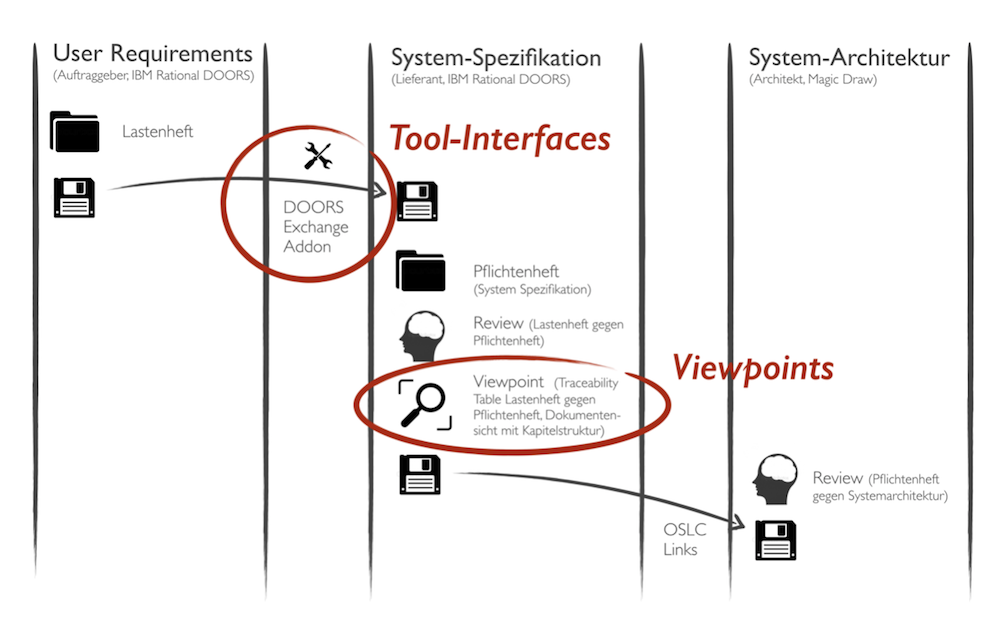
We will gladly send you an admission voucher for the fair. (Sorry, the pictures are in german, they should be understandable. When I have the source I will translate them)

1st step: rough process definition

Grobe_Prozessdefinition

2nd step: Precise definition of the work steps

Praezise_Definition_der_Arbeitsschritte

Our lectures in the forum at Embedded World (Hall 2 – Booth 510)

Efficiency in engineering through seamlessly integrated processes and tools

Andreas Willert and Tim Weilkiens in German – 26.02. / 11.30 – 28.02. / 11.00 clock

A consistent environment reduces the obstacles on the way of developing artifacts from idea to product. Organizational, methodical and technical process breaks require more effort and at the same time lead to information losses and increased risk. We will show you how to develop benefit-oriented process steps and how to derive and implement the necessary seamless integration of tools.


Modeling the “Standards” Way

Walter van der Heiden in English – 27.02. / 10:00

In various standards we can observe common themes of abstraction, specialization, refinement and relationship (traceability). Aligning the value of these standards and easing the adoption is the most effective way to improve and realize success in an organization. We have applied a SysML for Systems Engineering, AUTOSAR for Vehicle Design and Software Architecture, and UML for Software Design and Implementation. Using high quality UML tools and simply targeted bridges, engineers can focus on their designs and models for developing their solutions. We want to demonstrate SysML models that transition to AUTOSAR designs, that are moved to implementation designs (in UML or Simulink), and finally code generation. All the while maintaining simple bidirectional traceability and design artifacts demanded by ASPICE.


That’s it, Happy Modeling with Rhapsody!

Walter van der Heiden (wvdheiden@willert.de)


Back in München

So. Sorry for the long break, it has been busy. Traveling soups up energy, the BLOG is the first to suffer.
I was in Munich during Oktoberfest, again like last year. I am not a big fan of large parties with hundreds of thousands of people. I like beer but I enjoy it more when it is quiet.
But I was invited by IBM and there were enough people I know so I went there. First speak with IBM about their products and then Friday night on the way to the “Schützenzelt” to drink some beers.
For the people who are not familiar with the Oktoberfest, it is an ancient tradition in Munich where people celebrate the harvest of the hop, which is used to make beer….
It is not in October, at least not completely, it starts in September.

It has become world famous and now there are many visitors from around the world.

So. At IBM discussing their products… Yes but the selling of their products… not the technical details, will do that at another congress, later this year.
This was held in the beautiful IoT Tower, on the 21st floor with a stunning view over Munich.

Back to Rhapsody

The Willert Support Department had some interesting cases last weeks, unfortunately not much to write about, there was a very hard to trace installation bug that did apparently influence only 1% of the people, difficult to track but IBM has found it and it is solved.
There is an iFix3 for the latest Rhapsody 8.3.1, see the download portal for the Release Notes.

The RXF

The RXF V7 is also becoming more and more updates. The actual version is V7.03, it now includes CMSIS1&2, OO-RTX, FreeRTOS, embOS, Windows, Linux, COO-RTX. In planning are QNX and Cygwin.
Examples are available for the Keil LPC1700 Board but also for the Infineon XMC4500relaxKit
The RXF-Cert is under construction for C++, so there is a lot going on in the Willert Lab!

So. Short but powerful!

Have fun modeling with Rhapsody!

Walter van der Heiden (wvdheiden@willert.de)

« Older posts

© 2026 Rhapsody TechBlog

Theme by Anders NorenUp ↑