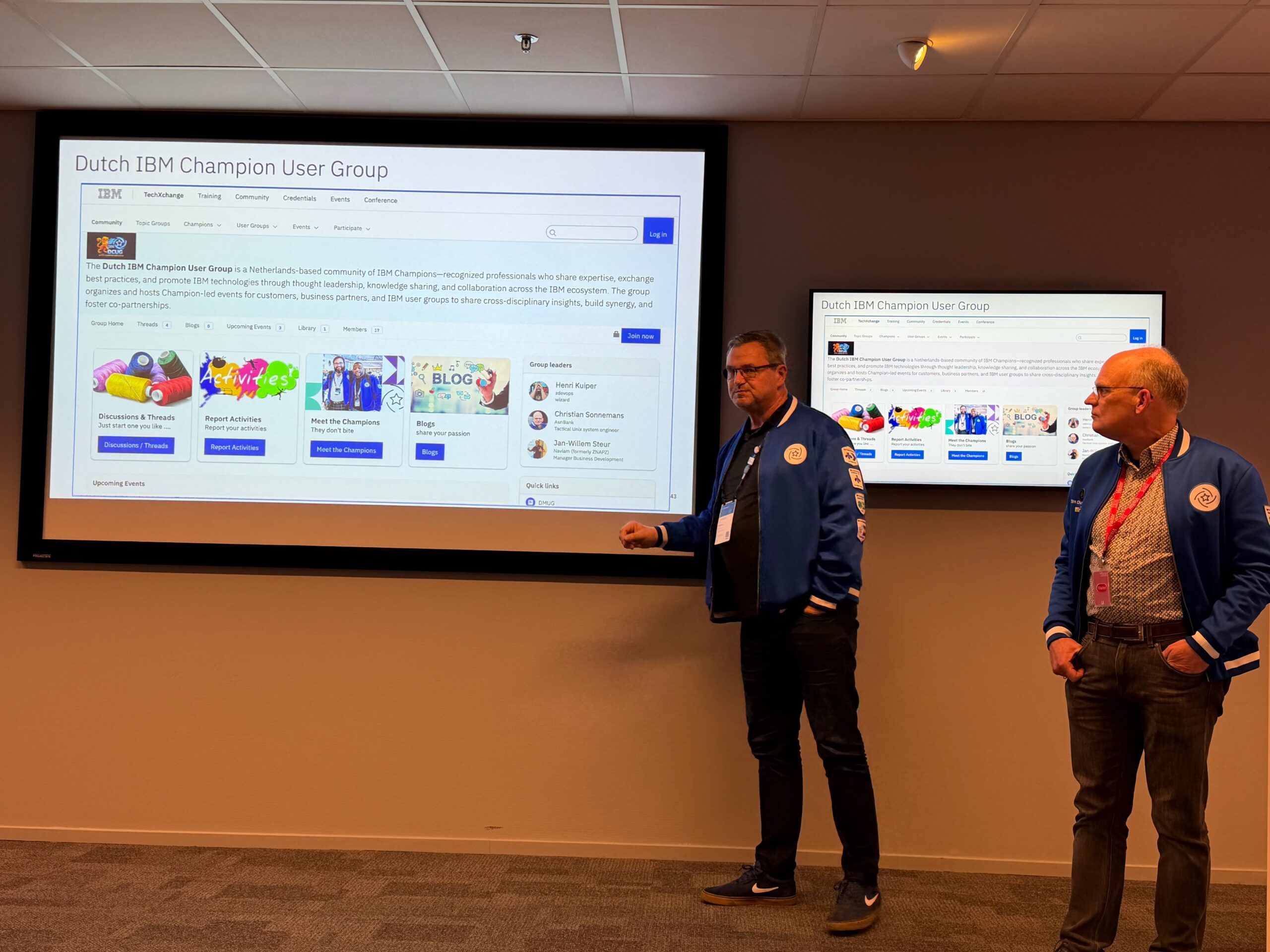
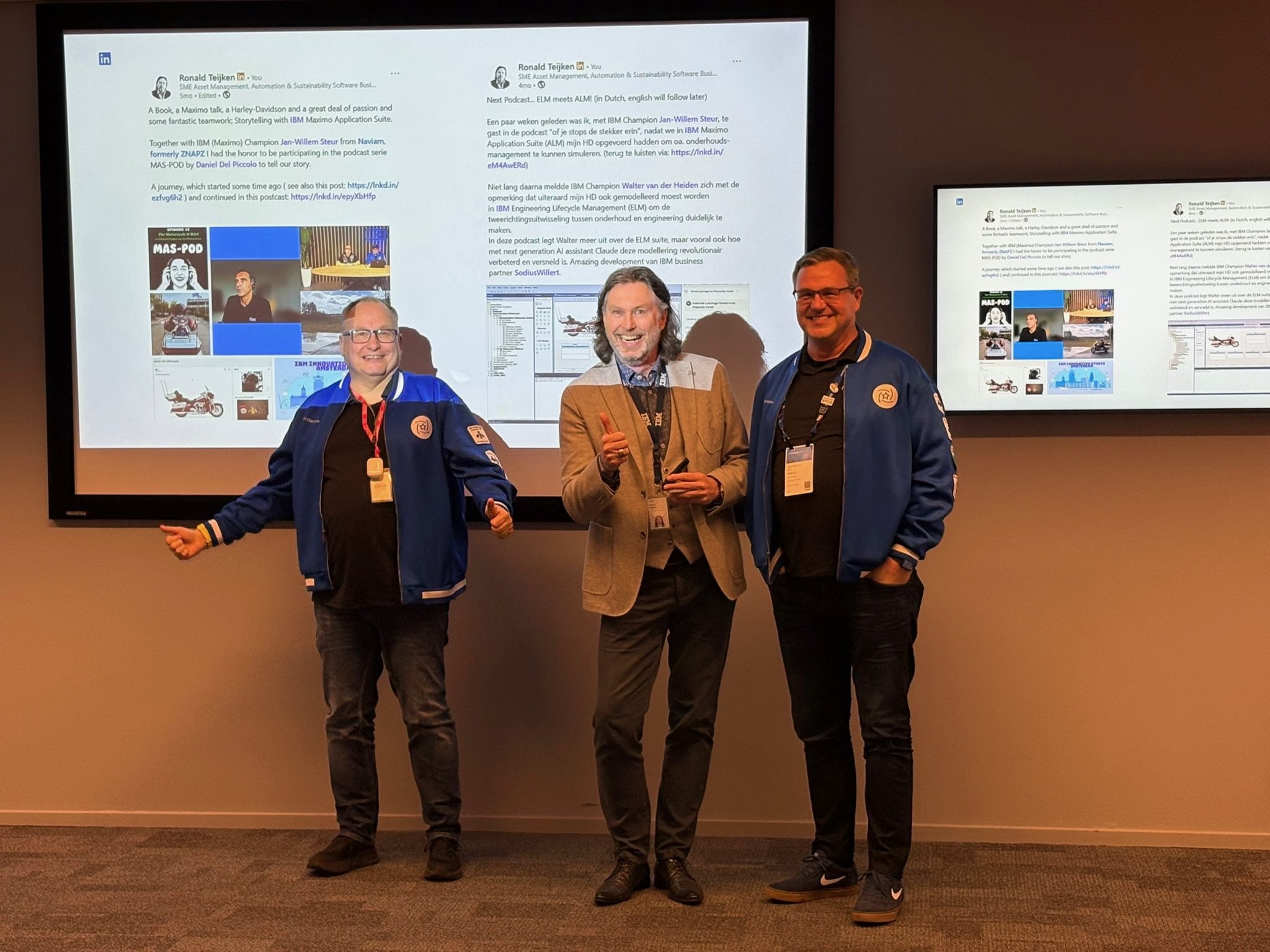
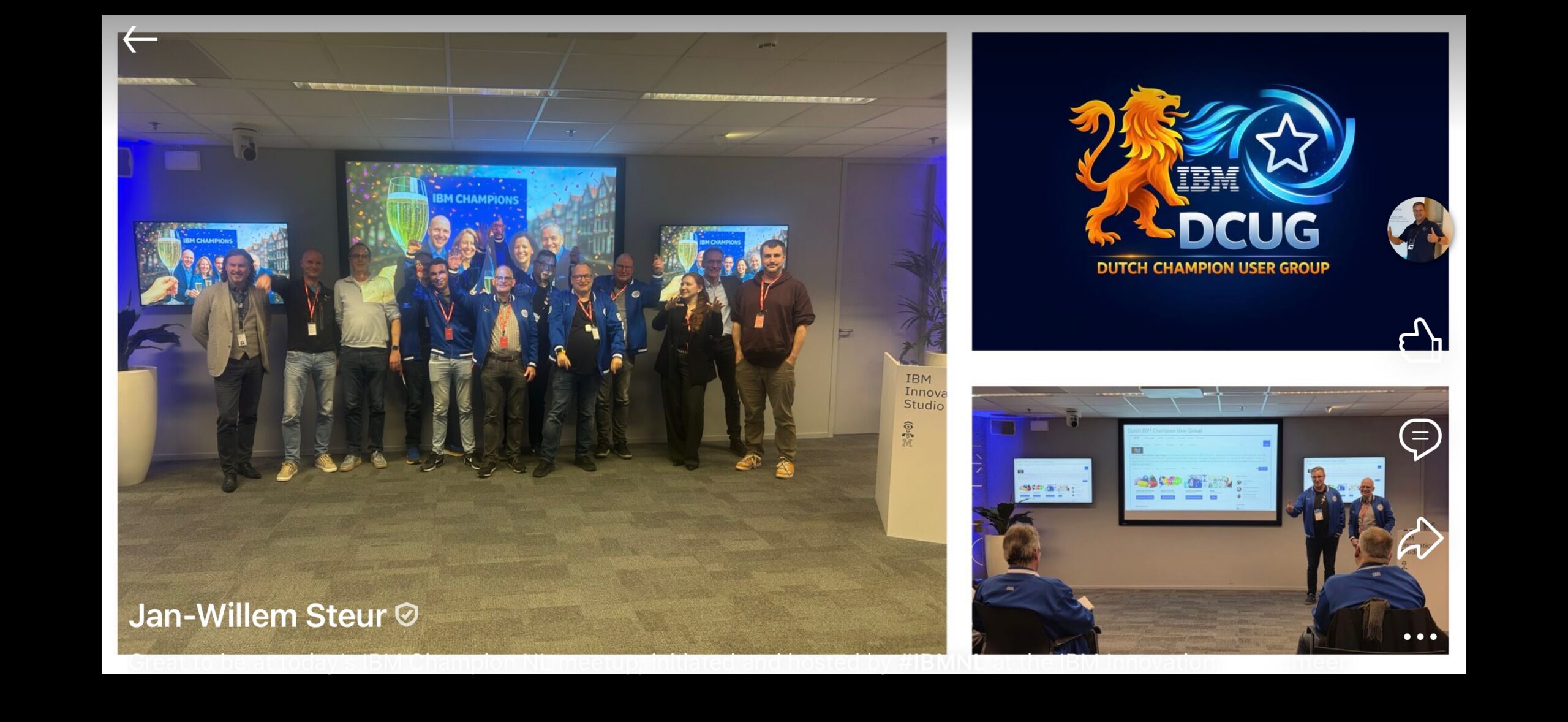
If you follow this blog, you know I spend most of my time deep inside IBM Rhapsody and Model-Based Systems Engineering. But there is a whole world of IBM technology and community around that — and this autumn a big part of it is coming together in Amsterdam.
On Friday, 2 October 2026, the very first DCUG Day takes place at the IBM Innovation Center in Amsterdam. DCUG stands for the Dutch Champions User Group — the Netherlands-based community of IBM Champions who share knowledge and enthusiasm across the whole IBM portfolio.
What to expect
A full day of content-driven, non-commercial sessions by and for the community, spread across four tracks:
Data & AI
Automation
Hardware & Storage
Cloud
Covering IBM priority areas from watsonx and hybrid cloud to IBM Z, IBM i, Storage and Power. It is the kind of day where you learn something new in every slot and bump into exactly the people you needed to talk to.
📣 Call for Papers — extended to 14 August 2026
Here is where you come in. The Call for Papers has been extended to Friday, 14 August 2026. If you are an IBM Champion with something to share — a real-world story, a technical deep-dive, a lesson learned — consider this your invitation to the stage.
Sessions are short and punchy: 25 minutes plus 5 minutes of Q&A, preferably in English. Send your title, a short abstract, your preferred track, session language and speaker information to the organisers (all the details are on the DCUG site below).
And yes — if your world is systems engineering and modeling, there is absolutely a place for that conversation here. The IBM ecosystem is broad, and cross-pollination is exactly what these days are for.
Join us in Amsterdam
Whether you want to speak or simply come along and connect, mark 2 October in your calendar. All the details, the full Call for Papers and submission instructions are on the DCUG website:
So here we are again. November 4-5, 2025. Munich. The IBM Watson Center. And yes, before you ask: it’s that impressive glass building on Mies-van-der-Rohe-Straße, not some random hotel conference room. Think less “generic conference center” and more “wow, they actually built this.” With a stunning view on the Alps included.
The Automotive Day is back, and this time with something I’m genuinely excited about: AI that might actually be useful instead of just being AI for the sake of having AI buzzwords on a slide deck.
Why Am I Writing About This?
Fair question. Look, I’ve been to enough conferences to know the difference between “we organized some presentations and called it a day” and events where people actually want to be there. The Automotive Day falls firmly in the second category.
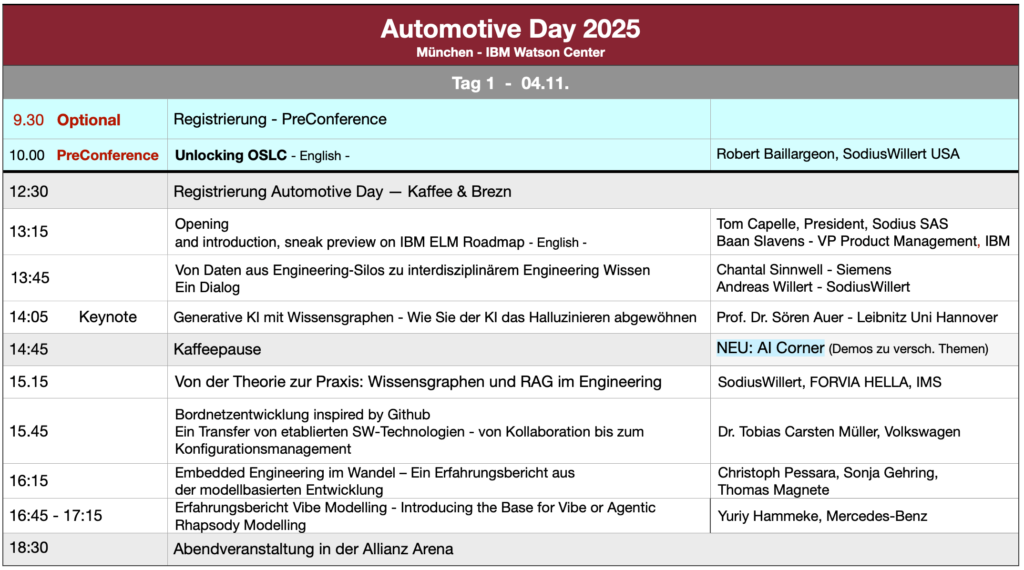
This year’s lineup? Professor Sören Auer doing a keynote on “Generative AI with Knowledge Graphs.” Now, I know what you’re thinking: “Oh great, another AI keynote.” But hear me out—this is about making AI work with actual engineering knowledge, not just spitting out random code that looks plausible but breaks everything.
The Good Stuff: Real Projects, Real People
Here’s what I’m looking forward to: experience reports from people actually doing the work. Volkswagen, Thomas Magnete, Marquardt, and MotorAI are all presenting. These aren’t theoretical talks—these are “here’s what we tried, here’s what broke, here’s what actually worked” sessions.
And we managed to get Baan Slavens, VP Product Management at IBM, to talk about the ELM Tools roadmap. If you’re working with IBM Engineering Lifecycle Management tools (and if you’re reading this blog, chances are you do), this is your chance to hear what’s coming and—more importantly—ask questions directly.
OSLC: Finally, Someone Explains It Properly
There’s a whole session on OSLC (Open Services for Lifecycle Collaboration). I know, I know, it sounds like one of those standards that IT departments get excited about while the rest of us just want our tools to talk to each other without breaking.
But this session actually covers the practical stuff: integration, authentication, reporting, and how to manage OSLC at scale. They’re even building a simple “link loader” during the session to show how it actually works. Actual demonstrations > PowerPoint slides every single time.
The Breakout Sessions
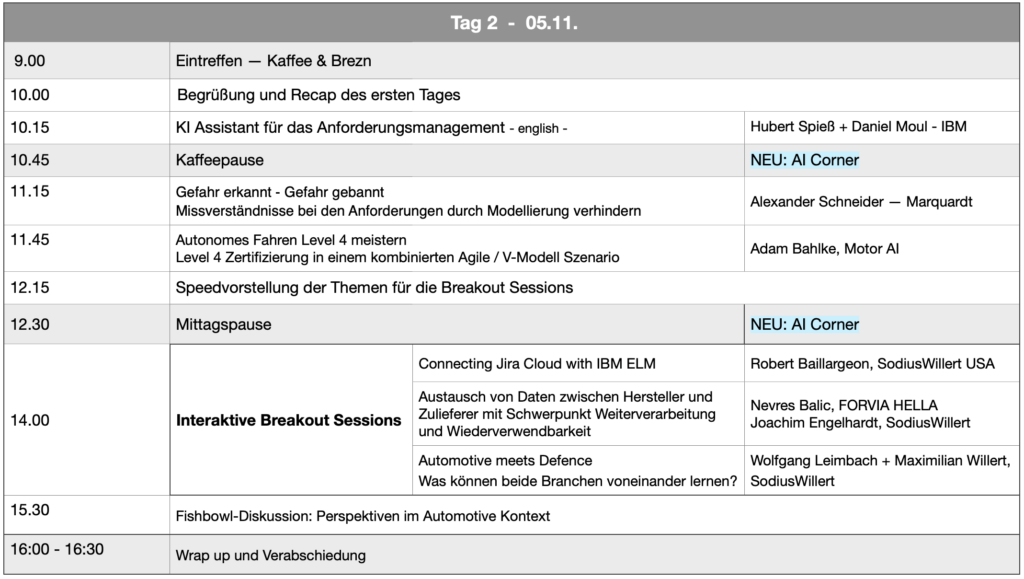
Here’s what makes the Automotive Day different from just sitting in a room listening to presentations: the Breakout Sessions. These are where you actually get to talk, share your experiences, and—this is important—complain about things that don’t work.
Every year, participants tell me the real value isn’t just the scheduled presentations. It’s the conversations during coffee breaks, the “oh, you’re dealing with that too?” moments, and finding out you’re not the only one struggling with that one particular ISO 26262 requirement that makes no sense.
Two new topics this year that I’m particularly curious about (but won’t spoil here—you’ll have to come see for yourself).
The Practical Details
Dates: November 4-5, 2025 Location: IBM Watson Center Munich, Mies-van-der-Rohe-Straße 6, 80807 München Hotel Recommendation: Motel One München-Parkstadt Schwabing (walking distance, basically)
Pricing:
Early Bird (until August 18): €199 + VAT
Regular Price (from August 19): €269 + VAT
German language conference, by the way. If your German is rusty, don’t worry—half the technical terms are in English anyway, and everyone switches to English when needed.
And Here’s the Part You Actually Scrolled Down For: VIP Tickets
I have some VIP tickets to give away. How do you get one? Simple: send me an email. First come, first serve. That’s it. No complicated application process, no essay about why you deserve it, just… send an email.
The tickets are limited (obviously), so if you’re interested, don’t wait until the last minute thinking “oh, I’ll do that tomorrow.” Tomorrow never comes. Trust me, I know this from personal experience with my own to-do lists.
Should You Come?
If you’re working in automotive systems or software engineering, dealing with ASPICE, AUTOSAR, ISO 26262, or any of those other acronyms that make our lives interesting, then yes.
If you want to hear from people who are actually implementing this stuff instead of consultants who only know it in theory, then yes.
If you want to network with people who understand why you care about the difference between a component and a module, and who won’t look at you funny when you start complaining about tool integration issues, then definitely yes.
What Participants Said Before
Just so you know I’m not making up how useful this event is, here’s what people said about previous Automotive Days:
“It was a very interesting event, can gladly be longer!”
“Very helpful and informative!!!”
“Top event, great atmosphere, excellent talks and presentations”
“It was fantastic. Great location, very good presentations and high-caliber conversations”
“Informative presentations, good networking opportunities. Looking beyond the horizon into the domains of mechanics and electronics”
Final Thoughts
Look, I get it. November. Another conference. More travel. But if you’re going to spend two days at an automotive engineering event, this is the one worth attending.
P.S. The IBM Watson Center has great views from the upper floors. Just saying. Worth showing up early to check it out.
P.P.S. If you’re flying in, Munich airport is well-connected. The city center is about 40 minutes by train. Much better than… well, Las Vegas. (See my other posts if you want to know how I feel about Vegas…)
Embedded Systeme sind allgegenwärtig; ein Alltag ohne diese intelligenten kleinen Helfer kaum noch vorstellbar. Wie man Embedded Systeme so baut, dass sie zuverlässig das tun, was erwartet wird, das steht bei der MESCONF im Mittelpunkt. Dabei betrachten wir insbesondere, wie Modelle helfen können, Architekturen, Systeme und Software zu entwickeln und zu verfeinern.
Warum solltest Du teilnehmen?
Der oft beschworene “Blick über den Tellerrand” kann überraschende und wertvolle Anregungen bringen, wie die eigene Projektarbeit verbessert werden kann. Deshalb steht der Austausch von praktischen Erfahrungen in konkreten Anwendungsbeispielen bei der MESCONF im Vordergrund. Anwender berichten aus ihren Projekten, und es gibt viel Raum, sich über das Gehörte, eigene Ideen, Erfahrungen und Erwartungen im persönlichen Gespräch auszutauschen.
Format der MESCONF
Fachvorträge
Diskussionsrunden
Workshops der Toolhersteller
Fishbowl
Warum gibt es die MESCONF?
Ganz einfach: weil Embedded Systeme heute derart komplexe Aufgaben lösen, oft auch im Verbund, dass die Entwicklung extrem aufwendig werden kann. Fehler werden spät entdeckt; deren Beseitigung ist kompliziert und kann zu unerwünschten Seiteneffekten führen, und am Ende laufen Kosten aus dem Ruder, und Liefertermine werden verpasst.
Visuelle Hilfsmittel wie Bilder sind hilfreich; noch besser sind Modelle! Weil die Symbole eindeutig sind und nicht falsch interpretiert werden können. Modelle können in Entwicklungstools bearbeitet werden, was viele Entwicklungsaufgaben erleichtert.
Inhalte können überprüft werden, Source-Code, Dokumente und andere Artefakte generiert werden, mit Hilfe von Simulationen können Unstimmigkeiten frühzeitig aufgedeckt oder ausgeschlossen werden. Missverständnisse werden minimiert, viele mögliche Fehlerquellen sind a priori ausgeschaltet.
Was kann Modellierung konkret leisten und was ist dabei zu berücksichtigen? Das „Modeling Manifest“ (http://mdse-manifest.org) einer Gruppe von Experten ist ein guter Einstieg. Jedoch: was sich darin einfach liest und logisch anhört, ist in der Praxis nicht in jedem Projekt exakt so umsetzbar, und es stellen sich immer wieder neue Fragen.
Und genau deshalb gibt es die MESCONF, fokussiert auf diese Thematik. Am 22. und 23. Mai 2025 treffen sich Experten und Anwender, um „Best Practices“ auszutauschen, Ideen und Fragen zu besprechen und neue Erkenntnisse zu gewinnen.
Rückblick auf die MESCONF 2024
Fachvorträge MESCONF 2024 (Auswahl)
Funktionsorientierte Entwicklung mit MBSE und Potentiale für den Einsatz von AI Jochen Epple, Mercedes-Benz, Anuschka Gummel, BHC
Game Changer SysML v2 und AI Tim Weilkiens, oose
Guided System Modeling und Übergang in die SW und E/E Domäne Johannes Trageser, SodiusWillert
SysML v2 in der praktischen Erprobung Samir Sarkic, Bosch
Workshops MESCONF 2024
Infineon: Model-Based Design (MBD) and Automated Code Generation
Mathworks: System Architecture Modeling of an Electric Vehicle with MathWorks Toolchain
Incquery: Model Governance für das Digital Engineering der Zukunft: IncQuery Validator Product Launch
IBM: Einstieg in die Modellbasierte Entwicklung – Welchen Einfluß hat die neue SysML v2 auf etablierte MBSE Methoden?
🎉 We’re celebrating 10 years of modeling, collaboration, and fresh ideas!
📅 May 22–23, 2025 | 📍 Infineon Campeon, Munich
Let’s cut to the chase: 2025 marks 10 years of MESCONF.
What started as a small prototype has grown into the go-to event for model-based systems engineering (MBSE) pros, tool nerds, process thinkers—and let’s be honest, all of us who just really like making complex stuff actually work.
Whether you’re a Systems Engineer, Architect, Tool Wizard, or just MBSE-curious, MESCONF is where the real conversations happen—with folks who know what they’re talking about, no PowerPoint fluff required.
💬 What’s on the agenda?
Classic expert talks? Yep.
Open discussion formats? You bet.
PowerPoint prison? Nope.
Pre-scripted speakers? Forget it.
The real star? Open Space.
Here’s how it works:
👉 Got a topic? Bring it.
👉 Others care? Talk about it.
👉 No hierarchy, no moderator—just smart people exchanging real-world ideas.
From SysMLv2 to traceability, simulation, tool integration, and yes—AI in modeling—Open Space is where the sparks fly.
🤖 My 2 cents this year:
I’m pitching an Open Space session on AI in modeling.
(And yes, I do say “AI” not “KI”. “KI” sounds like a technique for getting cows pregnant—no offense to the cows. 🐄💉)
On a serious note:
Where does AI actually help in MBSE?
Where is it just shiny nonsense?
How can we integrate smart assistance into our workflows without handing over the model to some black box?
Curious? Opinionated? Just want to argue a bit over coffee? Come join the conversation—I’d love your input.
🛠️ Why bother showing up?
Because modeling is how we wrangle complexity.
Because MBSE doesn’t have to live in an ivory tower.
And because MESCONF is one of the very few places where you’ll find open, honest, practical exchange without corporate smoke and mirrors.
Our yearly MesConf will, like any other conferences, be held online. It is what it is. There are some advantages too, no travel, no maximum number of people and you can show up how you want, just keep your camera off… 😉 it will be held on September 17 and we have room left for interested people.
There are interesting presentations from Prof. dr, Alois Zoitl (Professor for cyber-physical systems for Engineering and production), Stephanie Borgert (Speaker, Author and Furtherthinker) and Martin Reiss (Chief Software Architect from Thales railway)
Of course I will be there as well (Speaking about using AUTOSAR together with UML and SysML) and many more of the Experts from OOSE, SodiusWillert, SiSy, IBM and many others!
Here is the website (in German! Try to open with google translate if you want to read it in English)
The main message is here:
The subject is too important. Therefore, we will not skip the conference due to the corona risk, but will convert it into a one-day online conference.
MESCONF focuses on the benefits of modeling in the development of embedded systems. Another thematic pillar of MESCONF is model-based systems engineering (MBSE).
Our world is becoming more and more complex and dynamic. The constant change is one of the challenges for companies. Successful are those companies that can react flexibly and quickly to the changing requirements of the market with high-quality products.
We are convinced that modeling makes a crucial contribution to achieving this ability. We have formulated our values and convictions in a manifesto. At the conference we also want to talk and discuss the manifesto.
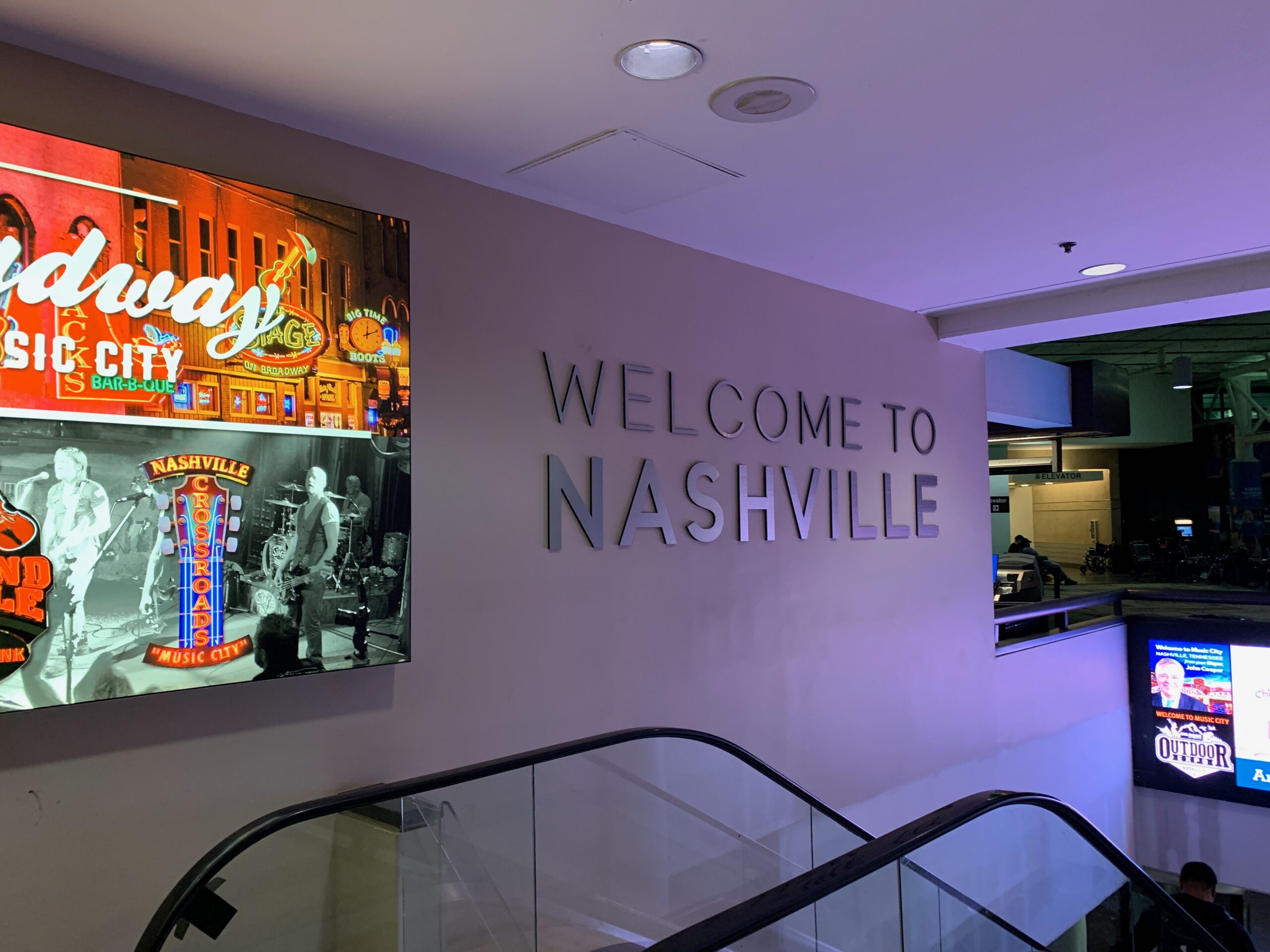
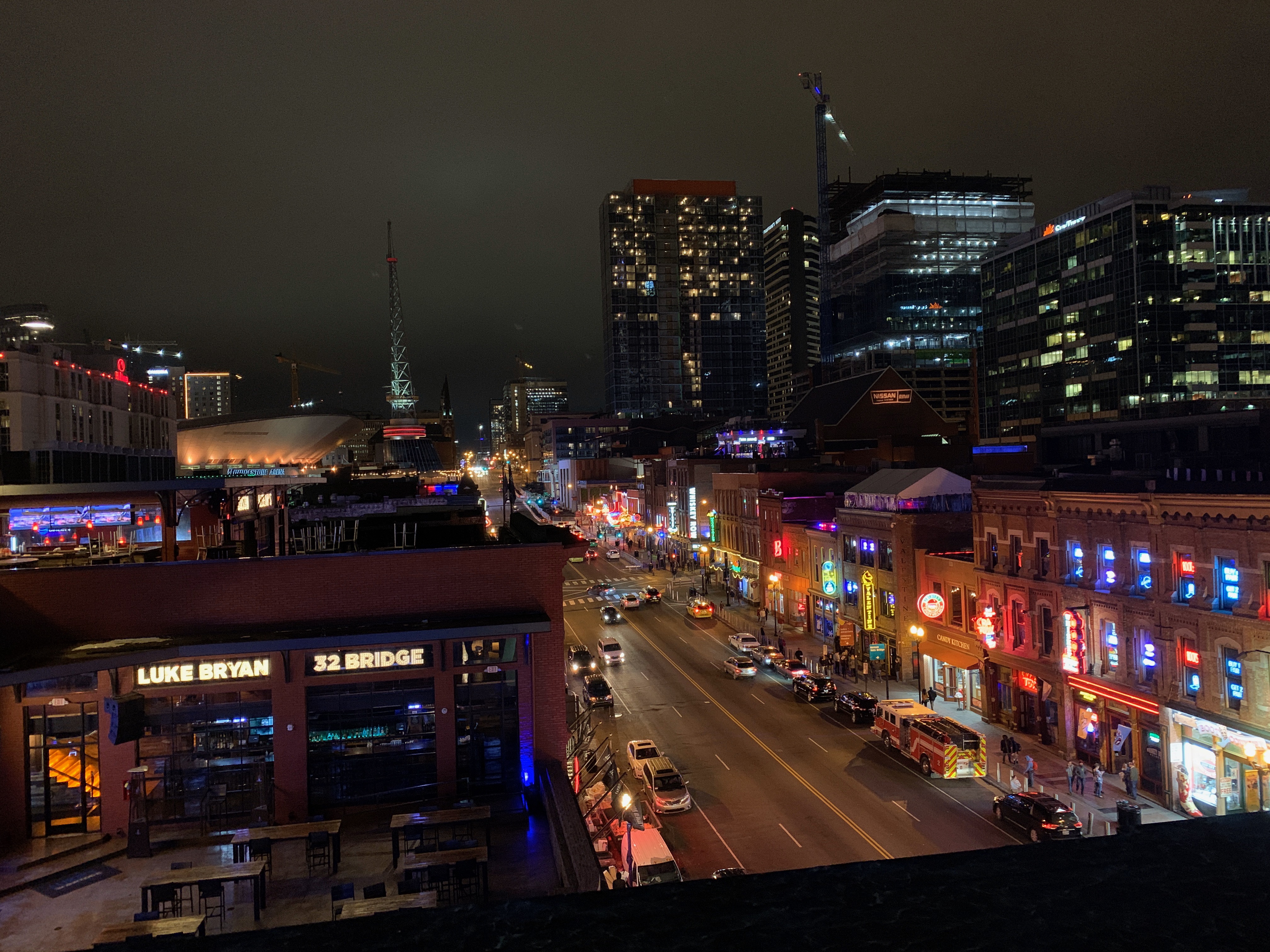
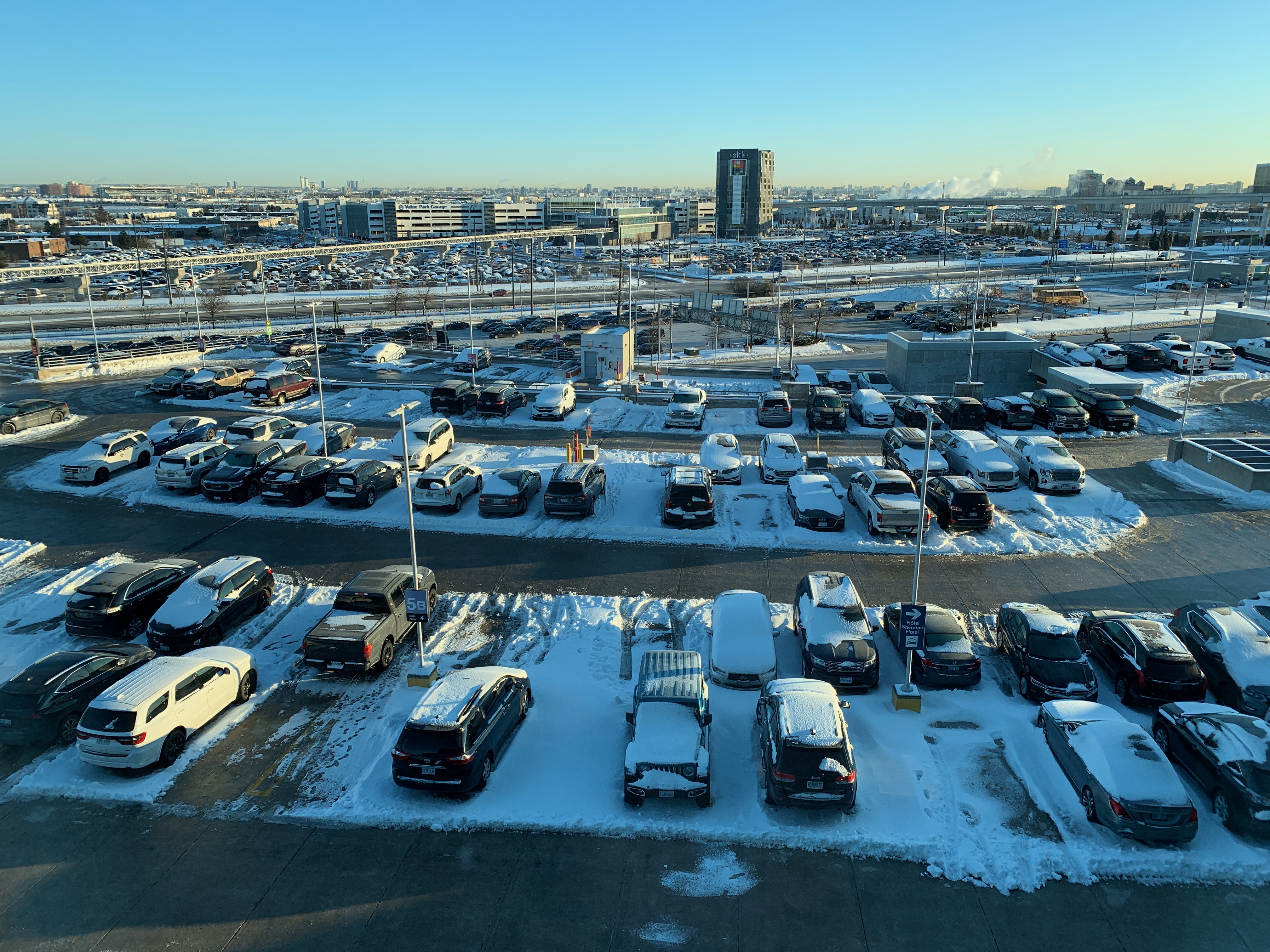
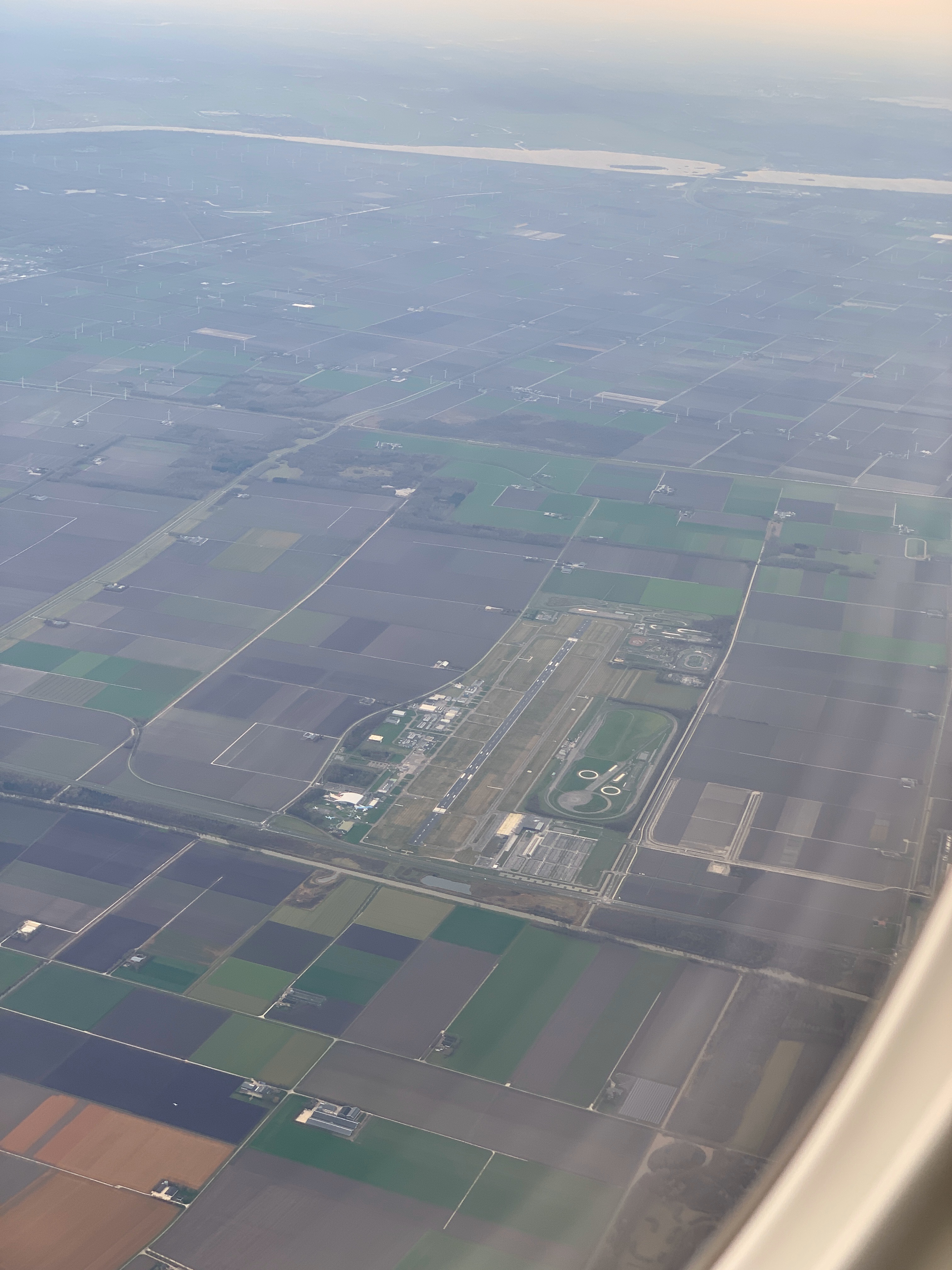
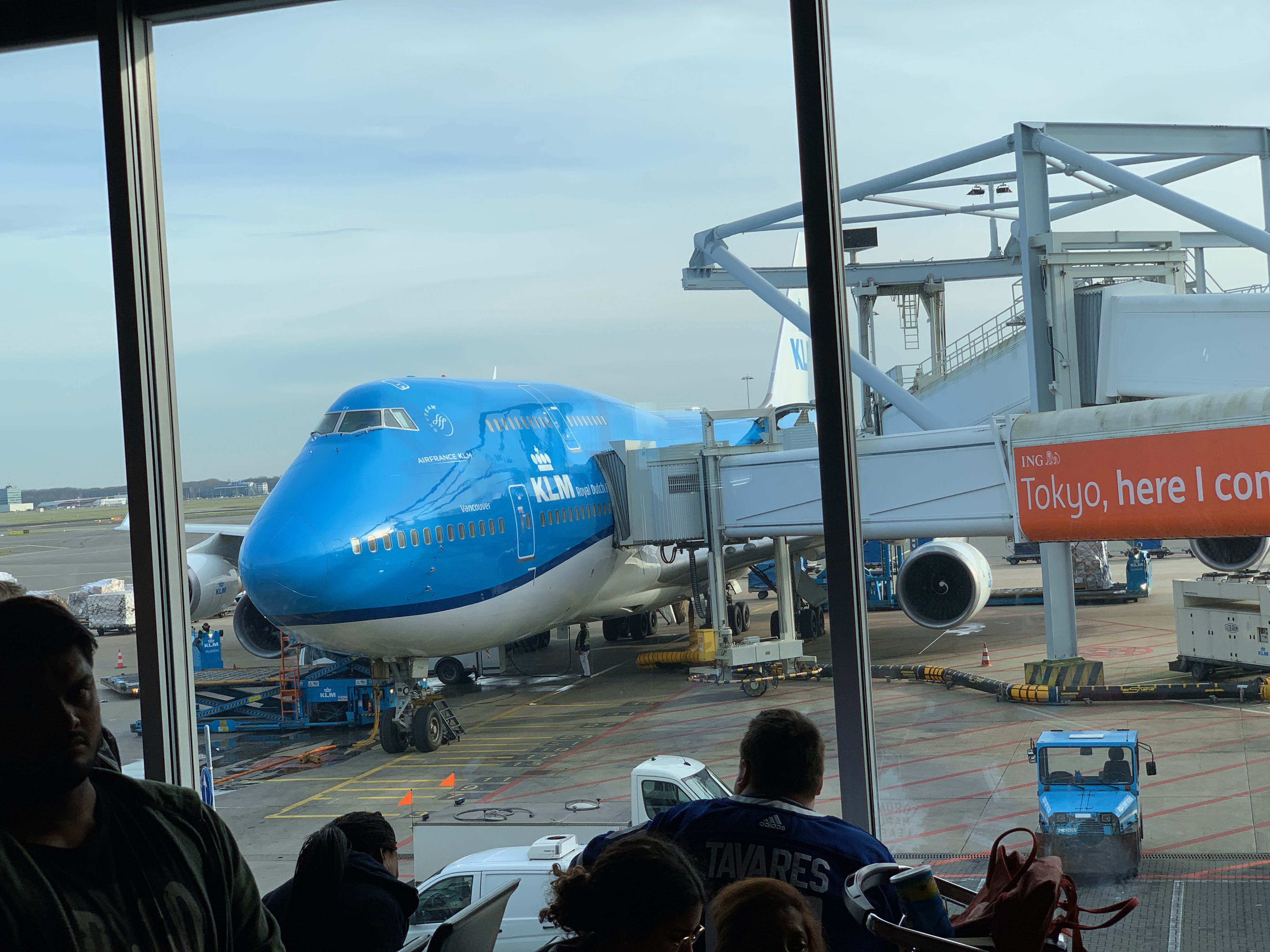
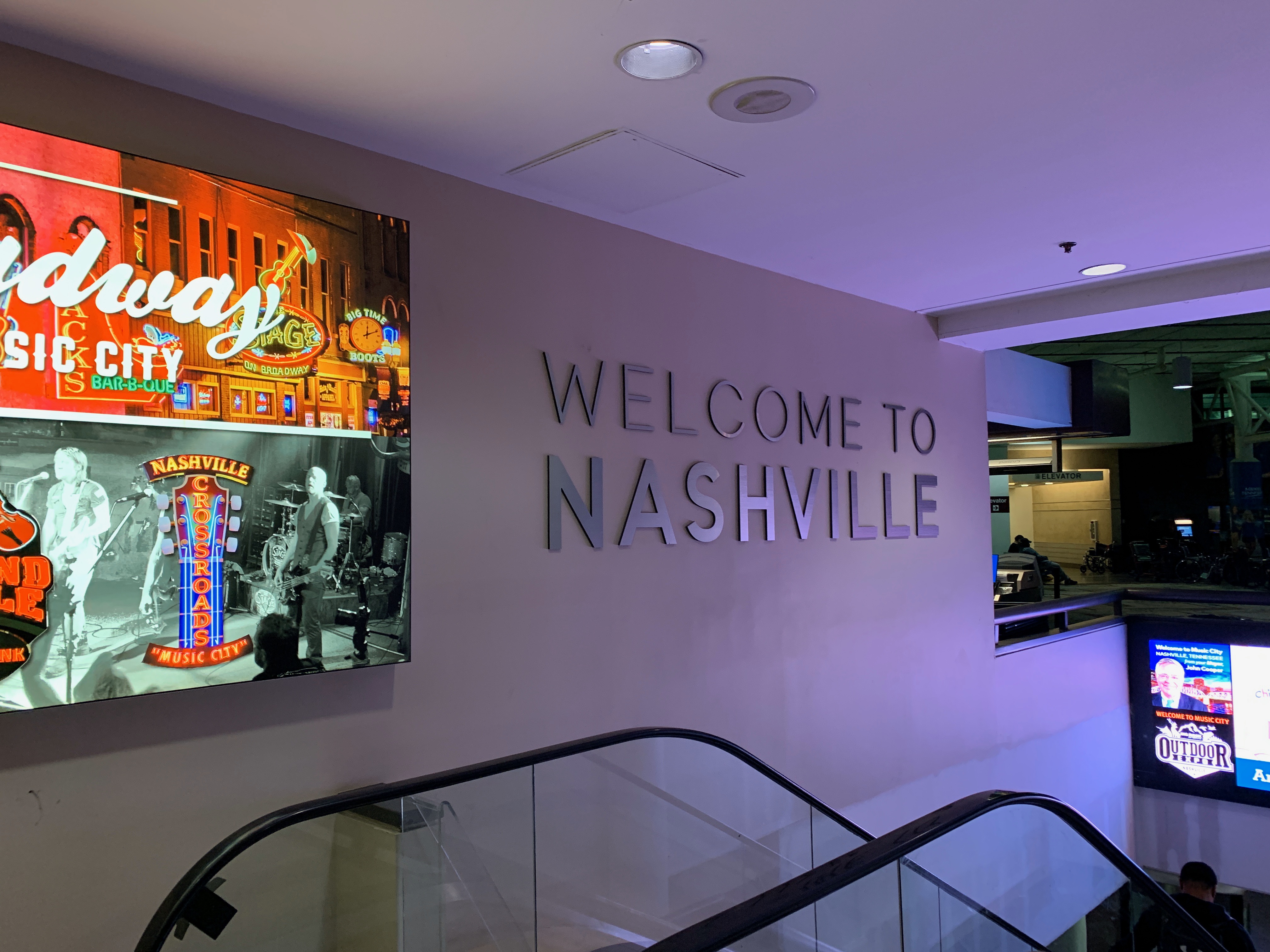
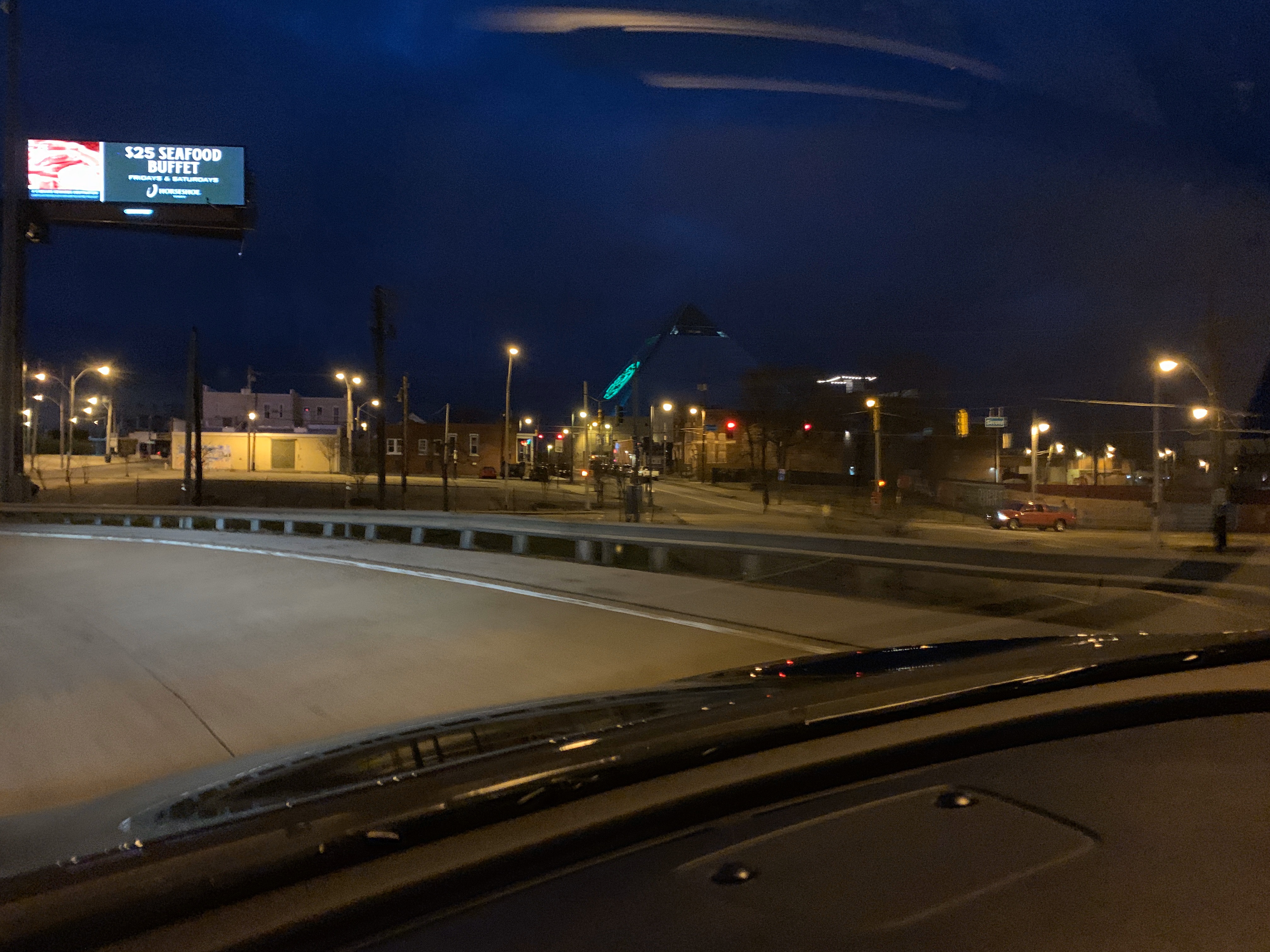
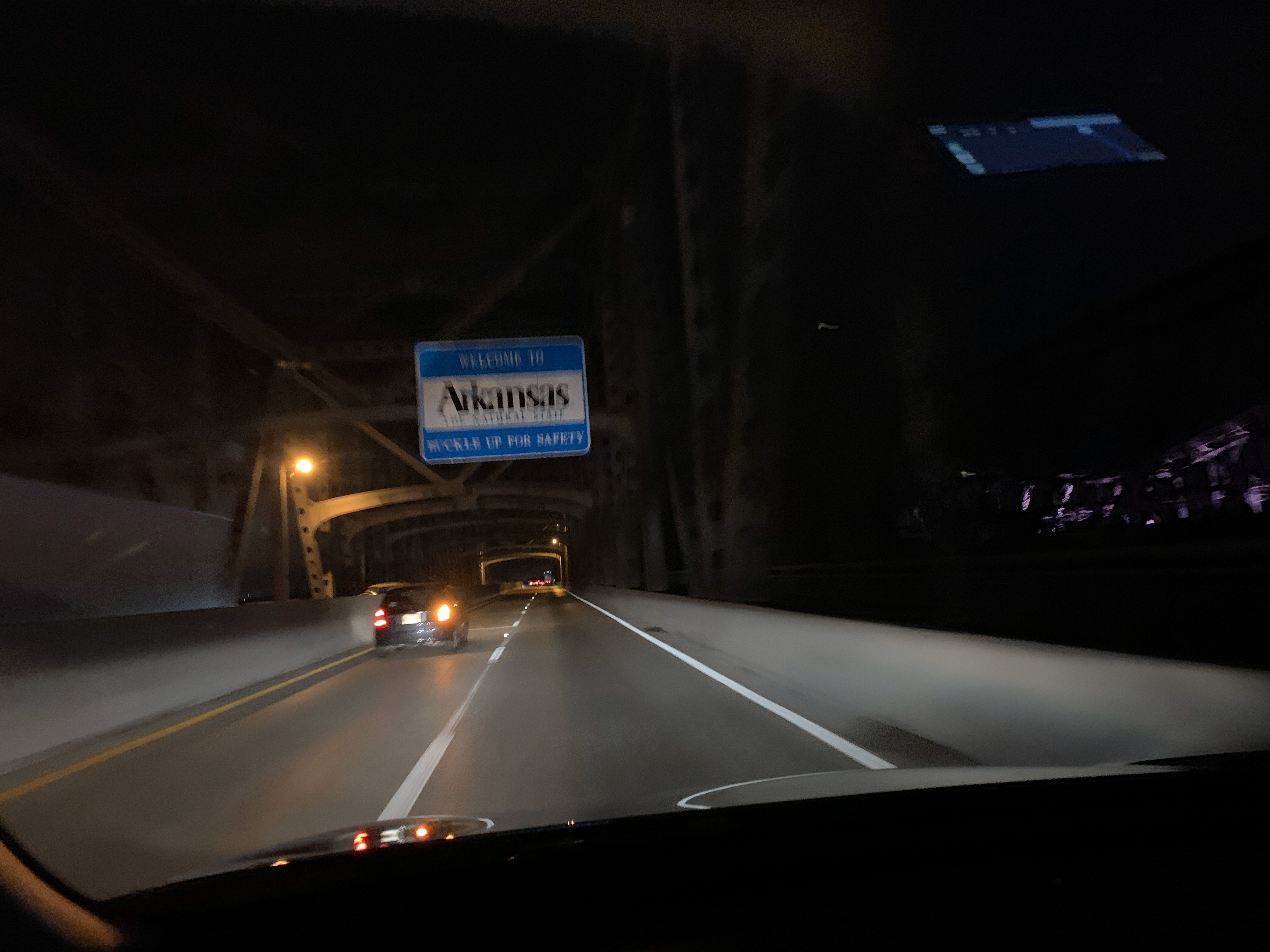
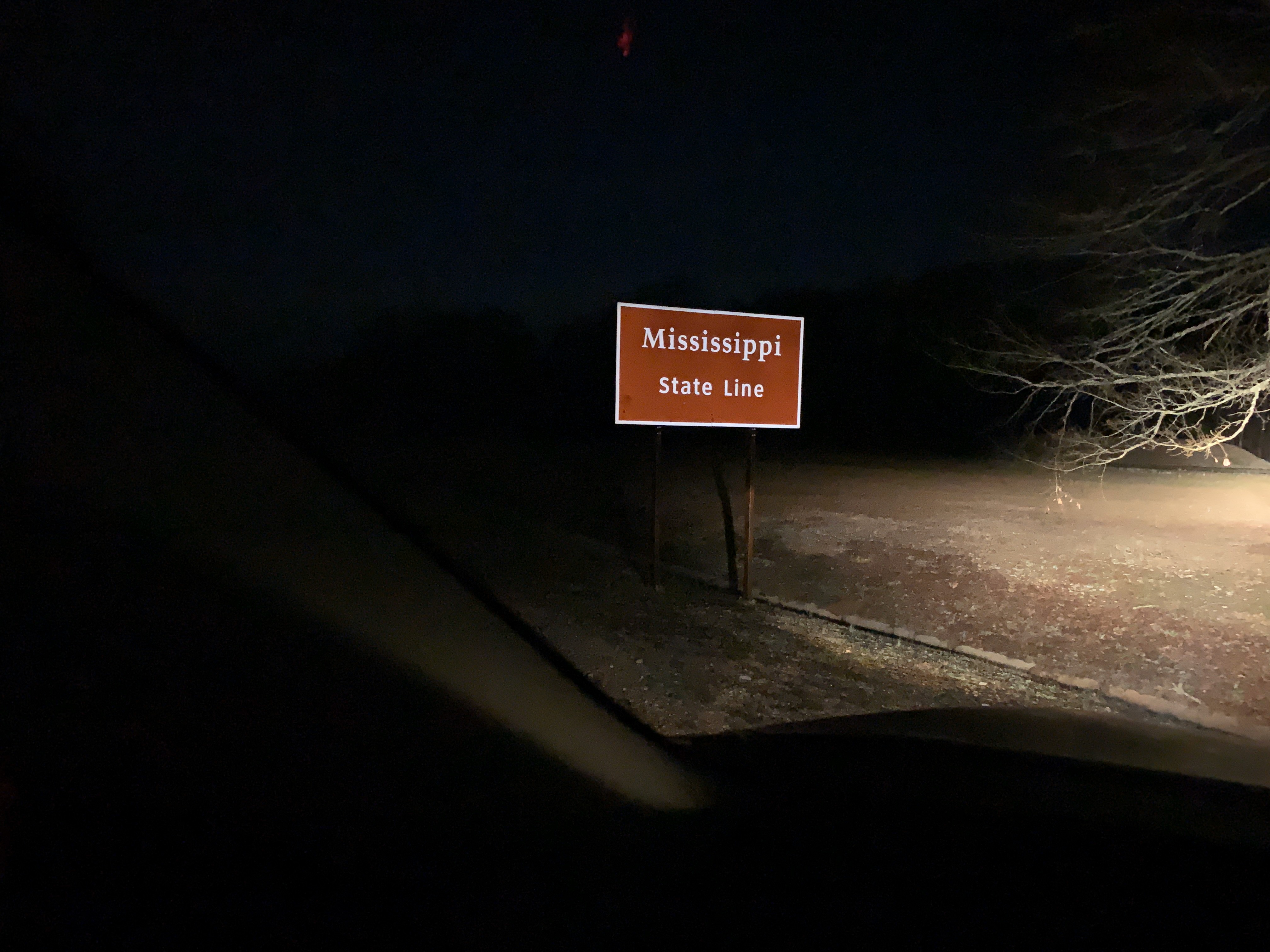
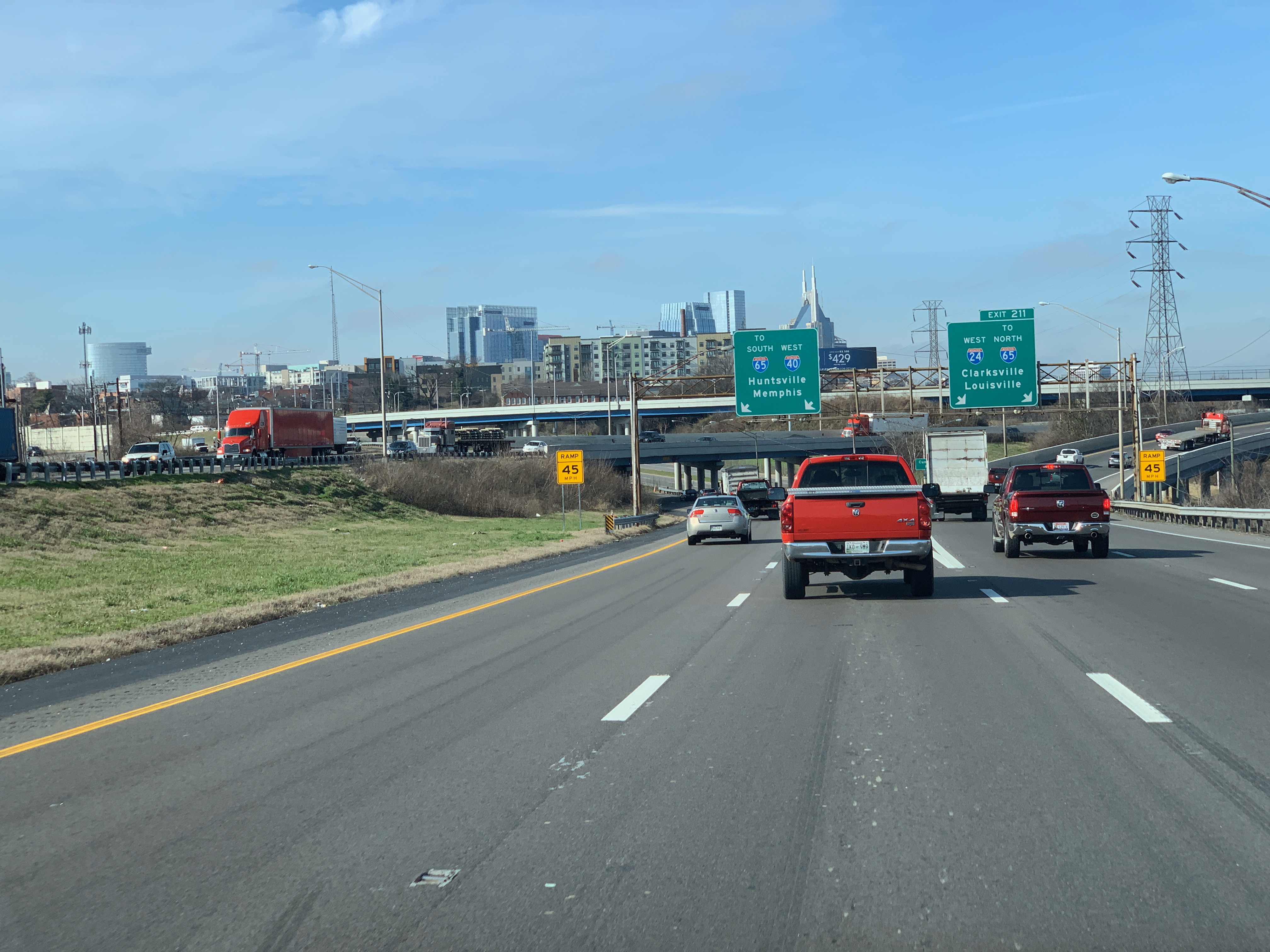
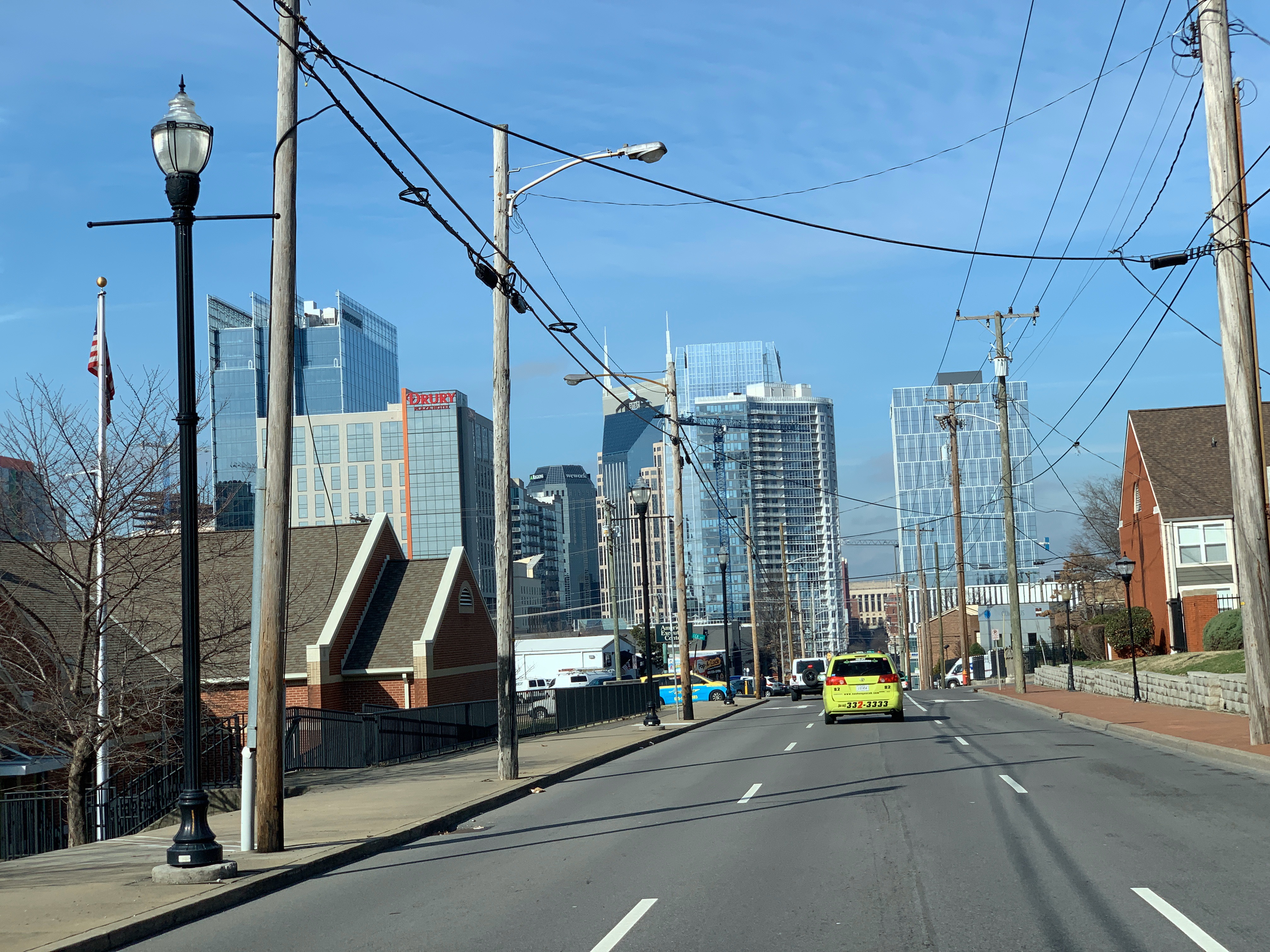
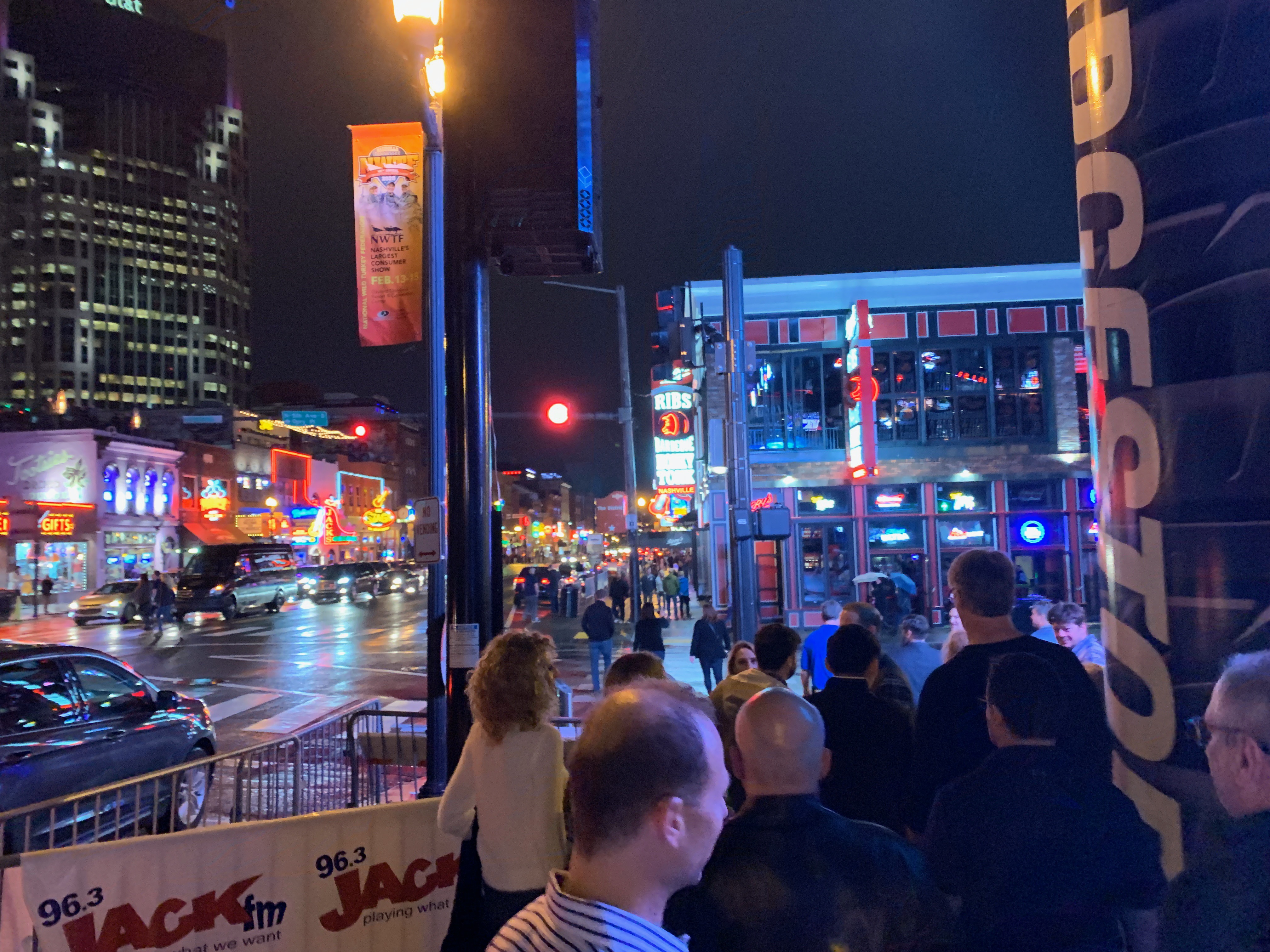
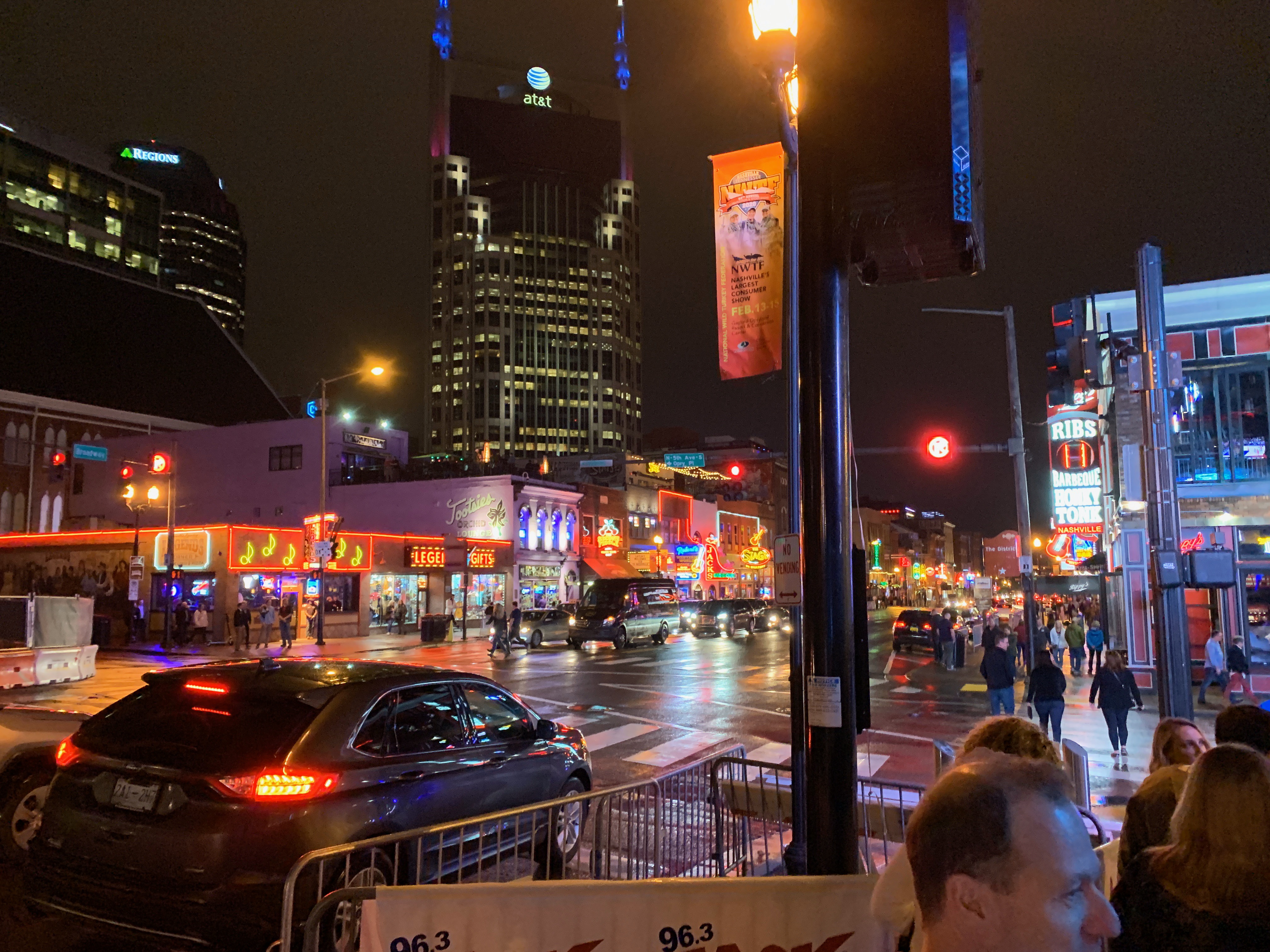
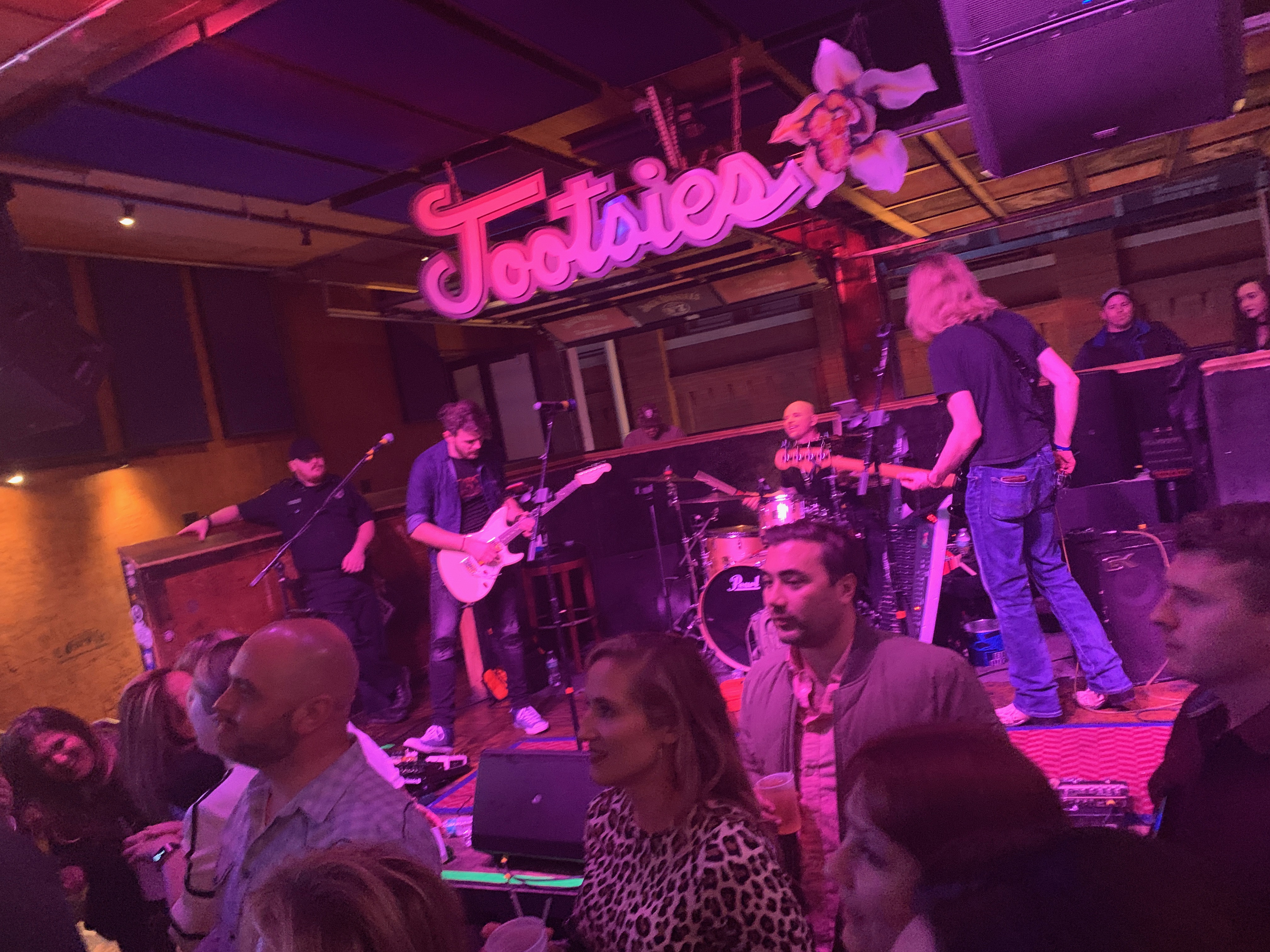
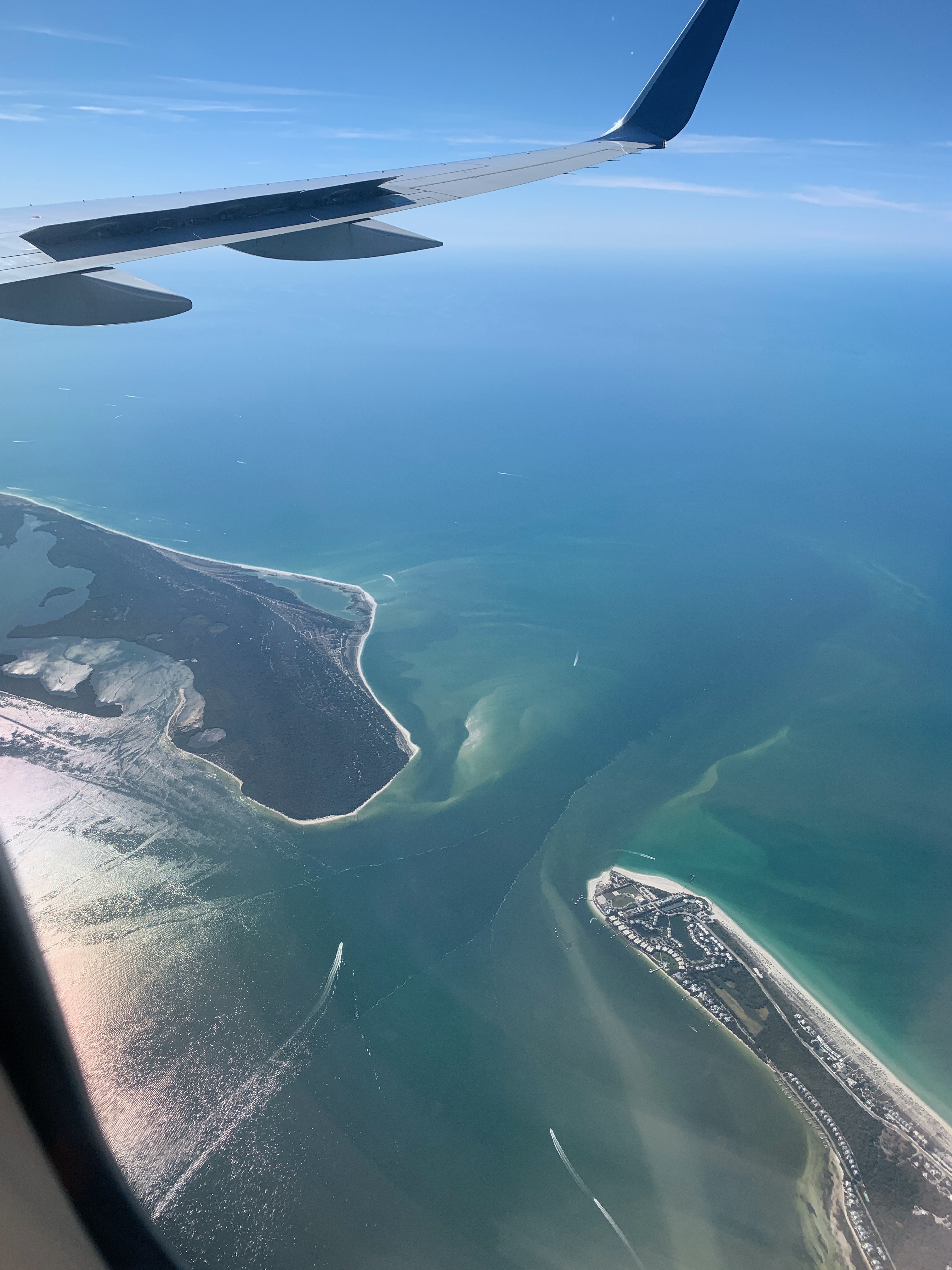
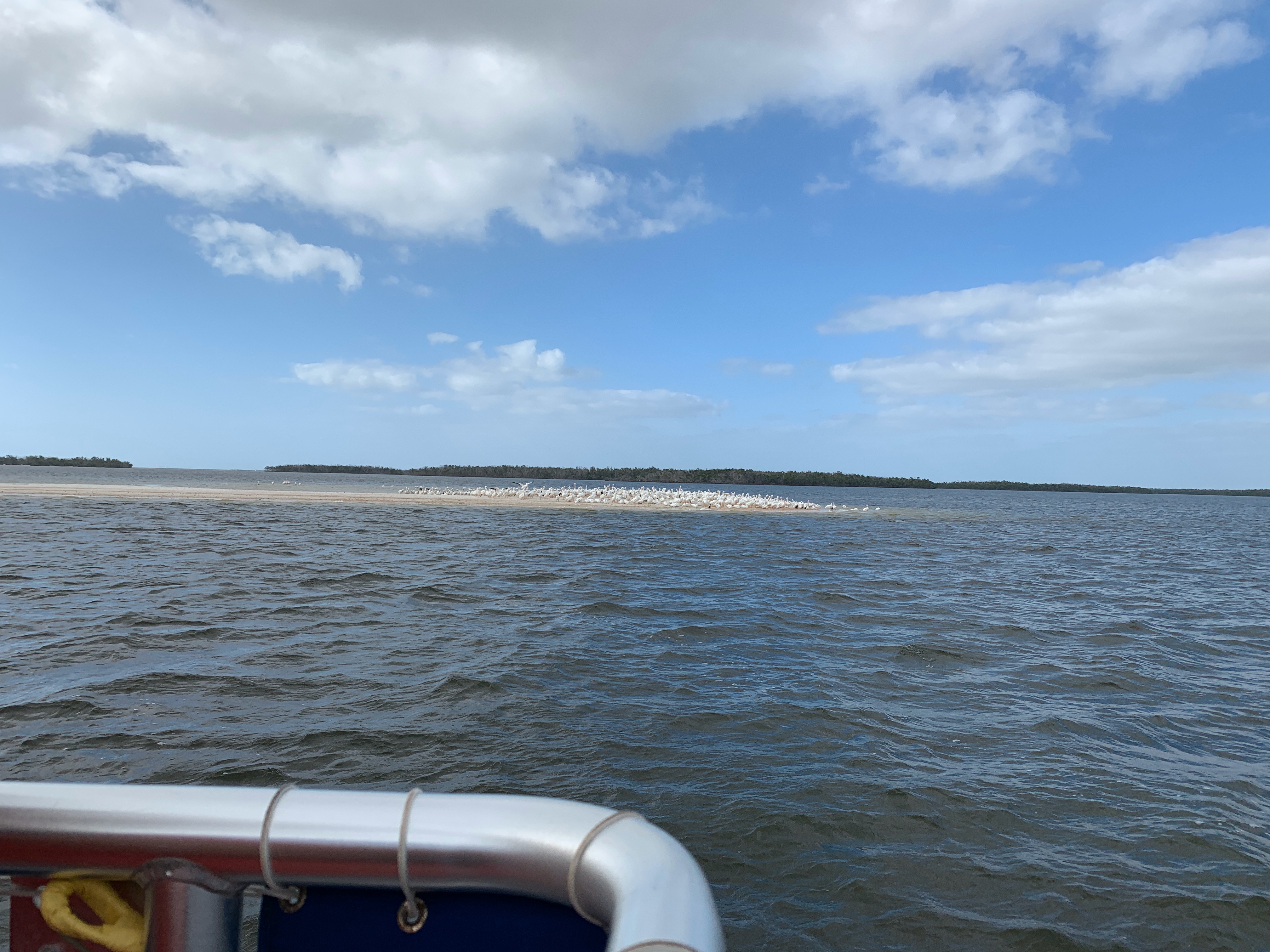
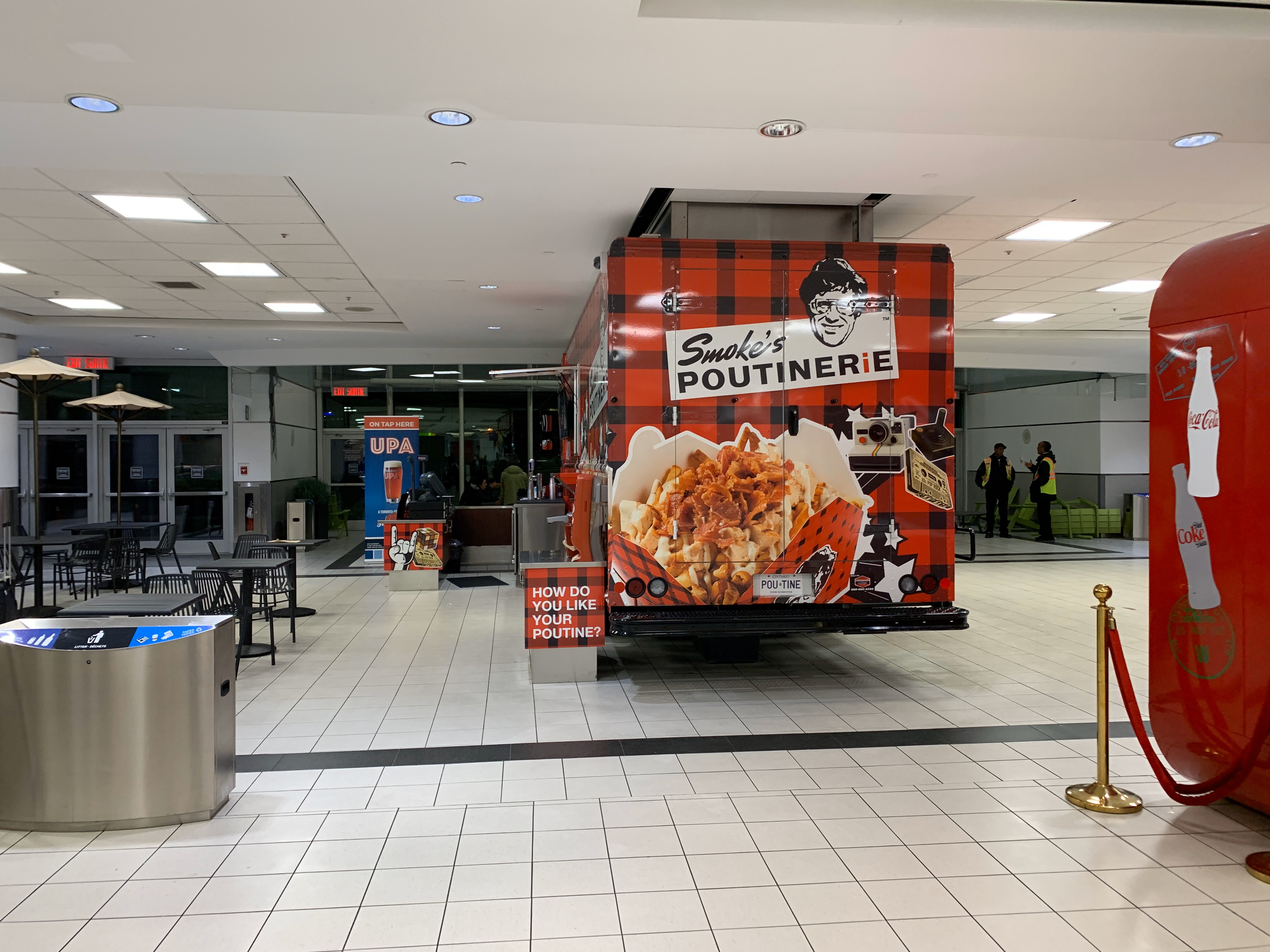
I’ve been in the USA for quite some times. But Nashville was new, never been there before. So I increased my State count to 39! 11 to go. The cheapest flight I could get was from Hannover. Via Amsterdam (which is closer to me, but don’t skip a leg, that’ll cost you….amazing in this time of saving the environment….) So I got on the plane to AMS early for the stopover to… Toronto! I’ve been there before, twice. Nice city! There I would get on a plane to Nashville.
I was in Nashville for the Kick-off Conference of our beloved USA partner 321-Gang.
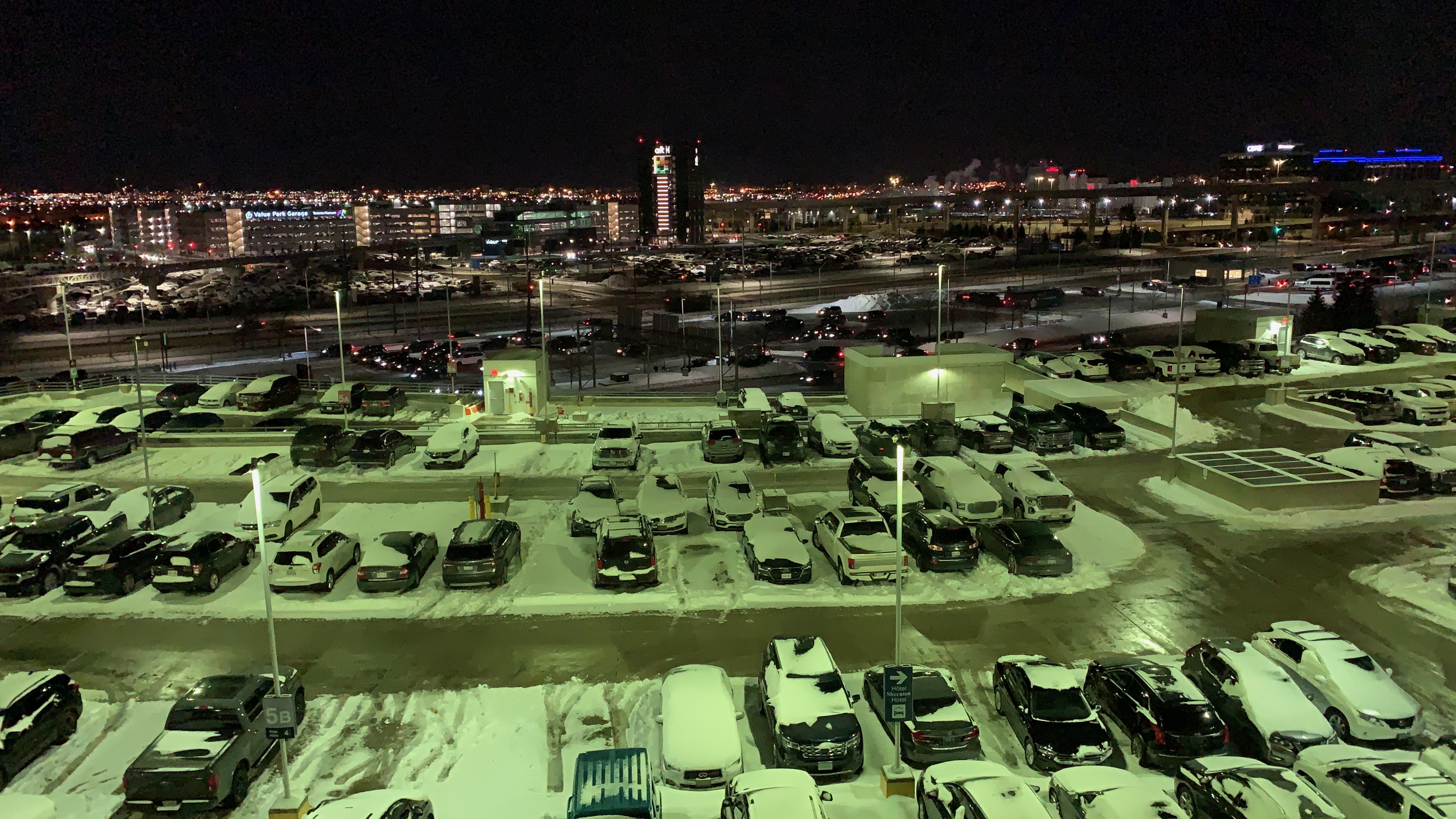
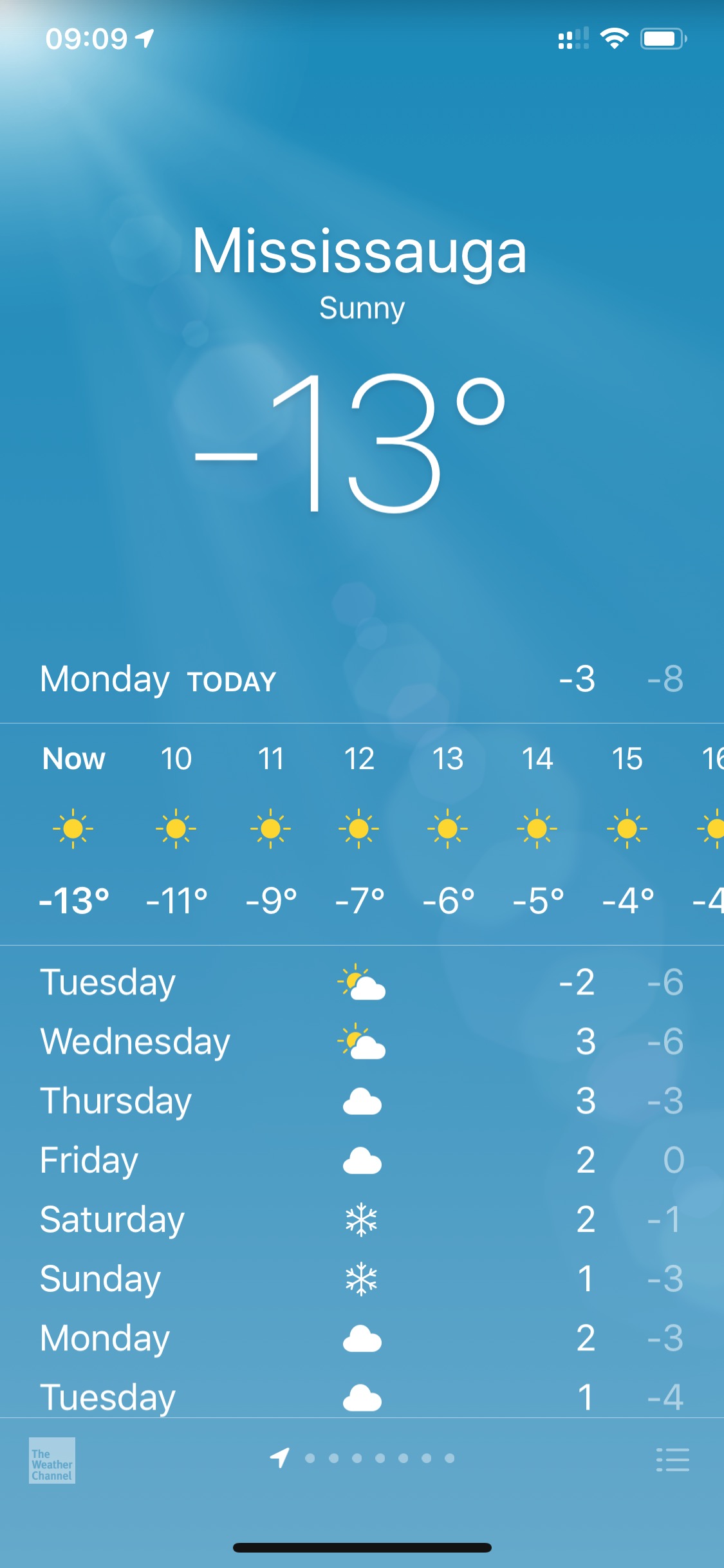
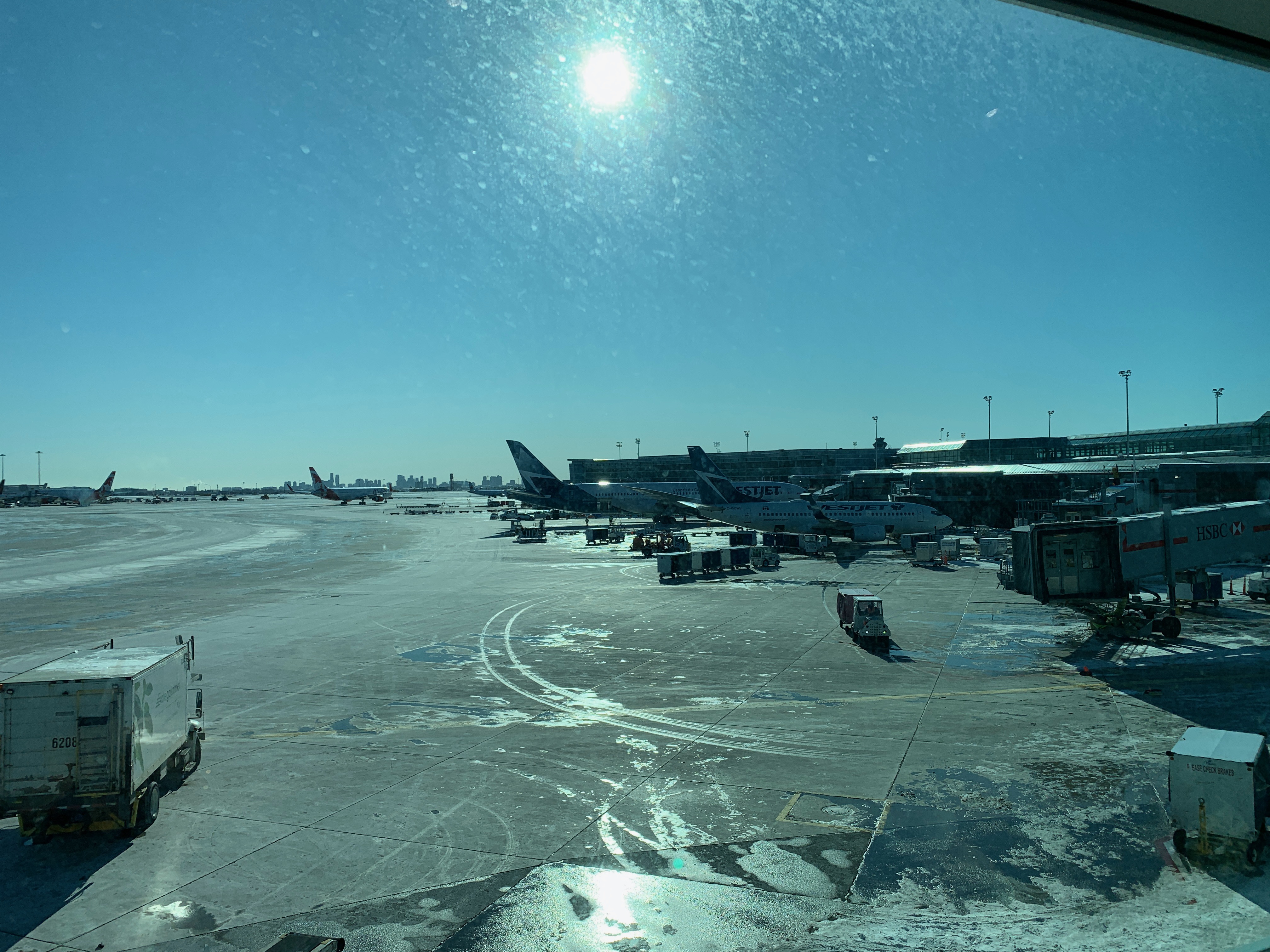
After the Kick-Off there was, luckily, some time left to visit Florida, a real must in winter time 😉 After 3 nice warm days I was on the way back ( ;-( ;-( ;-( ) But that was less easy then I thought… Again I would fly via Toronto but the plane coming from Toronto had a delay (Cause: medical Emergency…) The information on the duration of the delay was very fuzzy. I tried to find out an alternative way to fly home but there was no real alternative. So I gambled on the original flight that was earlier then expected. It was, for hours and hours, on the tipping point of “Not going to make it” and “Just in Time”. I hate that. To cut a long story short: The fact that I had to cross customs in Canada made me miss my plane. So I had to spend another 24 hours in Canada. With only T-Shirts. And with -13ºC outside… Luckily KLM was very, extremely good and they shifted my flight (They didn’t have to, i was on the cheap non-refundable flight) WestJet (Canada air-carrier operating for Delta) did not want to reimburse my Hotel costs.. “Use your insurance”…. Yeah I will.
Reverse and Roundtrip
In the last versions of Rhapsody we receive an increasing number of complaints about issues with Reverse and/or Roundtrip Engineering.
Issues
The issues are:
Reverse Engineering seems to start but does not give a result.
“Populate Diagram” is missing in the “Operation” menu
Rhapsody Version/License
A possibility is that your license is too old. What?? But everything works fine, except…. That is correct. Your old license also works for newer Rhapsody versions, I don’t understand that either, i’d link that to newer versions and support payments but hey, I know nothing about that…. So, exactly right. In some version of Rhapsody there was an entry added in the license file for Reverse/Roundtrip. Adding this solves the problem. You can generate a new license file in the License Key Center. (If you have a support contract with SodiusWillert (or Sodius or Willert or event somewhere else) we’ll help you.
32/64-bit
Most of these problems are related to the 32/64-bit version of Rhapsody. Due to some historic reasons the 64-bit version of Rhapsody lacked a lot of options that the 32-bit version had. Also because of the way Windows is built, it is not easy to almost impossible to start 32-bit apps from 64-bit apps and vice-versa.
Solution
You can install both the 32-bit and the 64-bit version of Rhapsody even from the same install version. Remember that you then also need both Service Packs if you upgrade! Then you can start 32-bit if you want to do stuff that involves any roundtrip or reverse engineering and use the 64-bit for everything else. Models are interchangeable.
So. That’s it. Have fun modelling with Rhapsody
Walter van der Heiden (wvdheiden@sodiuswillert.com)
Every year, the start of December, it is time for the yearly reunion for Embedded Software Developers. It is called ESE Kongress (yes, in German) and is held in the “Stadthalle Sindelfingen”. This is near Stuttgart and home of Daimler Benz, the makers of Mercedes.
ESE is organized by Microconsult and Elektronik Praxis, a training company, and a publishing company, for 12 years they started doing that. I’ve been on all of them and I really like the event. It is smaller than the Embedded World but that is exactly the charm of it, the noise is limited, there is time to speak in-depth with visitors, the presentations are controlled and contain no or just a really little bit of marketing, the information depth is very good.
Because we have a table there I traveled by car with a booth full of folders, flyers, roll-ups and more.
The highlight of the ESE is, of course, the Table Football Tournament… And the Developer party but in the daytime, it was Johannes Trageser’s presentation “Do you still draw or are you already generating code”.
Rhapsody
Some Rhapsody news. Version 9 is on the way. There is no fixed release date but it will be “any moment now”.
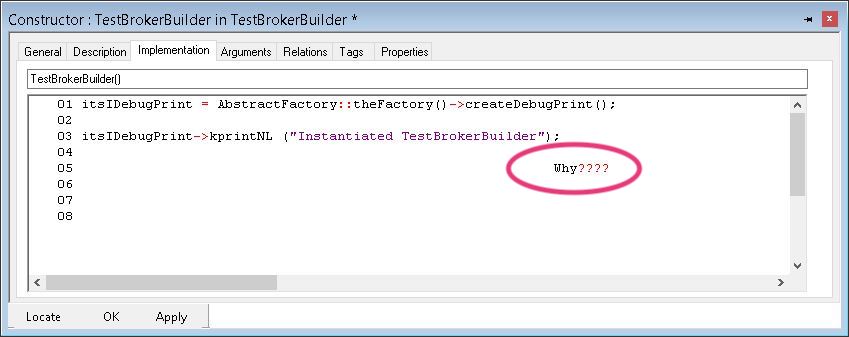
My colleague Wolfgang Sonntag has solved a long year problem…. The Rhapsody #$%^&* Editor that adds whitespace if you do not click on the start of the line.
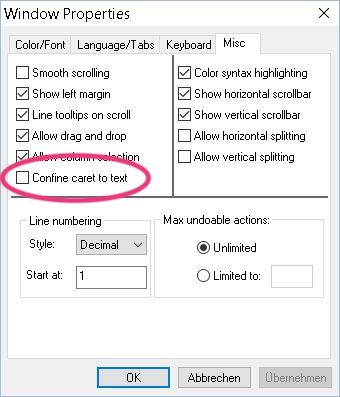
It turns out that there is an option that prevents that. Just right-click in the editor, open the properties, go to the “misc” tab and tick the option “Confine caret to text” (Don’t ask….)
Questions still stay…. why isn’t that the default? Why does somebody think that “confine caret to text” is something people look for when they want to change the whitespace behavior of the editor?
For the “new” Rhapsody users… here you can also switch on the line numbers. Please choose decimal and “1” as Start at….
These settings are not stored in the model… and also not in Rhapsody.ini. The Editor is an open-source editor that stores its settings in the registry. “HKEY_CURRENT_USER\Software\Telelogic\Rhapsody 8.4\Code Window-Ansi”. “SELBOUNDS” is the key that controls this.
Anyway… this solves it. Better late than never. It works also for fields in the statecharts (Yes! also the guard!!!)
Have fun editing in Rhapsody without extra whitespace!
Walter van der Heiden ( wvdheiden@sodiuswillert.com )
Or as we say in the Netherlands: the year is cut in two. Time flies when you’re having fun! What have we seen? A new Rhapsody (8.4)! Lots and lots of new customers, a merger with Sodius… learning French…
What are we going to see in the next half year? A new Rhapsody! (8.4.1?, 8.5?… 9.0??? who knows!) RXF ‘C’ 7.0, AUTOSAR Adaptive support, C++14 support (Will take a while… sorry….)
MESCONF 2019
Something to really look forward to is the Mesconf, the Modeling for embedded systems conference that we organize every year in Munich. (Oh and last year in Shanghai!) Since this is a German Congress, the flyer and other information is in German. So sorry for “english-only” readers….
Die deutsche Konferenz über modellbasiertes Engineering für Embedded Systeme gewinnt immer mehr an Bedeutung
Im 5. Jahr seit der initialen Veranstaltung in 2015 ist die Verwendung von verifizierbaren Modellen als System Spezifikation eines der Schlüsselthemen
Jochen Epple von Daimler berichtet in seiner spannenden Keynote über die Motivation für modellgetriebenes Systems Engineering in seinem Unternehmen, wie es die klassische textuelle Anforderungsanalyse ablösen wird und wie weit man inzwischen gekommen ist.
In diesem Kontext wird es auch eine Arbeitsgruppe geben, die sich mit Konzepten beschäftigt, wie zukünftig bei Auftragsvergaben modellbasierte Spezifikationen im Kontext von Lasten- und Pflichtenheften genutzt werden können, welche Vorteile und Herausforderungen sich daraus ergeben werden.
In bewährter Manier werden Erfahrungen zu vielen anderen spannende Themen in Arbeitsgruppen ausgetauscht und Lösungskonzepte erarbeitet: Modellierung von Varianten und/oder Plattformen, Test Driven MDSE und die Simulation von Modellverhalten, um nur einige Beispiele zu nennen.
Raum für Experten und Toolhersteller, die Ihre Konzepte und Lösungen vorstellen ist inzwischen fester Bestandteil der Veranstaltung geworden.
Und wie immer erwartet die Besucher auch dieses mal ein innovatives aber bereits sehr bewährtes alternatives Format, was die Konferenz zu einem echten Anwendertreffen macht, die deren Fragen und Belange in den Vordergrund stellt. Dazu hier exemplarisch zwei Kommentare aus den letzten Jahren:
‘Ich war positiv überrascht von dem Open Space Ansatz. Zu allen Themen, die mich interessierten, habe ich wertvolle Anregungen oder Bestätigungen bekommen. Ich bin beim nächsten Mal wieder dabei.’(Michael Sommer)
‘Es hat sich einmal mehr gezeigt, der direkte Austausch zwischen Anwendern lässt sich durch nichts ersetzen‘ (Martin Reiß)
Treffen Sie Top-Experten, Anwender und Toolhersteller. Lassen Sie sich inspirieren, bringen sie Ihre ganz konkreten Fragestellungen ein und diskutieren Sie Lösungen mit gleichgesinnten Praktikern und Experten. Machen Sie sich schlau über aktuelle Trends, Methoden, Tools und Lösungen. Zwei Tage rund um das Thema Modellierung von Embedded Systemen im Systems und Software Engineering sind ein gut angelegtes Investment in Zeiten des rapiden Wandels und der Komplexitätsfalle.
Zum 5. Jubiläum der MESCONF vergeben wir 10 Freikarten. Sie haben Interesse? Dann senden sie sofort eine Mail an uns, weil die schnellsten und am besten informierten, wie so oft, gewinnen!
OK that’s it. Have fun modeling (With any tool!)
Walter van der Heiden ( wvdheiden@willert.de )
Materials for repairs and tools for remodeling in the house (building) that is under remodeling, renovation, extension, restoration, reconstruction and construction (upgrade)
I receive a lot of questions from people who want to generate and compile code from Rhapsody using another compiler than the ones that are in the standard installation.
Since IBM is delivering some pre-adapted frameworks but does not officially supports them it is the users responsibility to do some adaptation work.
My usual answer is: switch to the RXF. Is smaller, faster and more comfortable since we took the command-line out of the workflow.
But sometimes this is not the answer. Adapting an OXF to a new RTOS is a bit difficult but using another compiler is not that hard.
Unfortunately the documentation to do this is very scarce and not really clear. So here is a (hopefully) better guideline to do that.
USA
Last weeks I was quite busy (and in another time-zone…) Yes back in the US! Again, Florida and Michigan.
In Florida I, of course, visited my friend in Fort Myers and then went to Orlando for the IBM IoT Exchange. I had a presentation there together with Ed Grinberg from Depuy, Boston. I made the movie using my iPhone so the quality is a bit less than professional…
I was also interviewed together with Tom Capelle by the great guys of Quick Bytes, Graeme & Ryan. We spoke about the Sodius-Willert Merger.
Back to Work….
OK.. How do you create an adapter for another compiler. We assume you use C++ and want to adapt the QNX adapter to a newer version.
Never change the original files of the framework. Always make copies and create your own adapter.
When you have changed property files: re-read the model to update the properties in your model.
Use a decent editor to edit files. I recommend notepad++, is free and awesome.
The instructions are for C++, just replace C++ with C and that will work as well.
Either install all tools in the same directory on ALL workstations of everybody in the project or use environment variables to align all differences. (First solution is preferred)
A property file (Only the factory, factory<lang>, site and site<lang> files, not your own!) must have an extra “end” on a newline. Also escape all quotes (“) and backslashes (\)
How does it work?
If you generate code in Rhapsody, a makefile is also generated. When you press build, Rhapsody will call your makefile using an available make for that environment. How does Rhapsody knows what to call? It’s all in the properties, mate!
So assume you’ve selected
The Share Directory
This directory contains all the secrets to Frameworks. The following subdirectories are interesting:
etc
contains files that must be added to the build process and the makefiles for the frameworks itself. Also contains the batch files that Rhapsody calls when building applications.
Lang<Language> (C, Cpp, Java, Ada)
This contains the source-code from the framework
MakeTmpl
Contains files added to the make process.
Profiles
The profiles that can be loaded (The RXF is completely adapted using profiles)
Properties
Contains all property files. This is where Site,prp and Site<language>.prp are located. Also the Factory.prp and the Factory<language>.prp are here. NEVER NEVER NEVER edit these!!!!
There are more directories but these are the interesting ones when making an Adapter.
Step 1, edit the sitec++.prp
So in Share\properties you’ll find siteC++.prp that is usually empty unless you have already added something. We have to add only one (1) property that we can copy from the factoryC++.prp file (Open that factoryC++.prp. search for environment and copy the line. Add that to your siteC++.prp file)
Subject CPP_CG
  Metaclass Configuration
    Property Environment Enum
        "MSVC,MSVCDLL,MSVCStandardLibrary,VxWorks,
         VxWorks6diab,VxWorks6gnu,VxWorks6diab_RTP,
         VxWorks6gnu_RTP,Solaris2,Cygwin,MicrosoftWinCE600,
         OseSfk,Linux,Solaris2GNU,QNXNeutrinoGCC,
         QNXNeutrinoMomentics,NucleusPLUS-PPC,
         WorkbenchManaged,WorkbenchManaged653,
         WorkbenchManaged_RTP" "MSVC"
  end
end

end
This is the “standard”. Now I recommend deleting all the environments that you will never use to make stuff more readable. Then add your own environment, in our case we will call it QNXv7Momentics. We want all changes for our environment in a separate file, that makes it easier to exchange the new adapter with others. This file can be included in the siteC++.prp file with the “Include” statement. The content of the siteC++.prp is something as follows:
Include "QNXv7Momentics.prp"
Subject CPP_CG
  Metaclass Configuration
    Property Environment Enum
 "MSVC,MSVCDLL,Cygwin, QNXv7Momentics, QNXNeutrinoMomentics," "MSVC"
  end
end

end
Now copy the donor environment (QNXNeutrinoMomentics) to a new file QNXv7Momentics.prp in the Properties directory. (Same procedure, open factoryC++.prp and search for “QNXNeutrinoMomentics”). You have to add the Subject, that is CPP_CG. (Properties always have a Subject and a Metaclass but you can group them in a prp file) Don’t forget the “end” statements!
Edit the properties
Now it is time to edit. You probably have to edit more but that goes beyond the scope of this BLOG. I will describe the most important ones (here you can see the escaping of the backslash and the quotes, don’t forget that!!):
Here you fill in the name of your batchfile that compiles the Rhapsody generated code. You have to create that file later (In the “Share\etc” directory)
This file contains the commands to call the make command in your environment. Now it is time to figure out how the make command of your environment works.
@echo off
if "%2"=="" set target=all
if "%2"=="build" set target=all
if "%2"=="rebuild" set target=clean all
if "%2"=="clean" set target=clean

set QNXROOT=<The root of your QNX Install>
set MAKEFLAGS=-I%QNXROOT%/target/qnx7/usr/include
          -I%QNXROOT%/target/qnx7/usr/include/c++/5.4.0
set QNX_TARGET=%QNXROOT%/target/qnx7
set QNX_HOST=%QNXROOT%/host/win64/x86_64
set QCC_CONF_PATH=%QNX_HOST%/etc/qcc
set LD_LIBRARY_PATH=%QNXROOT%/target/qnx7/lib
set PATH=%QNXROOT%/host/win64/x86_64/usr/bin;%PATH%

make -s %target% -f %1 %3 %4 %5 %6 %7 %8 %9
This is the example for my installation, fill in the correct paths for your environment.
More Properties
The following properties determine what you give the compiler. OmFileCPPCompileSwitches is what you fill in the “Settings” Tab of your Rhapsody component.
The next step is to create the makefile. This is generated from Rhapsody. There is a template for the makefile with “magic” macros that expand to the information inside the Rhapsody model.
Property MakefileContent MultiLine "
**** Lots of Stuff ****
"
If your environment is close to the donor environment then you do not have to change much here. Otherwise it is possible that you have to go to all the lines and decide if that is still correct.
So… the rest will be in the next episode
Happy Modeling with Rhapsody
Walter van der Heiden (wvdheiden@willert.de)
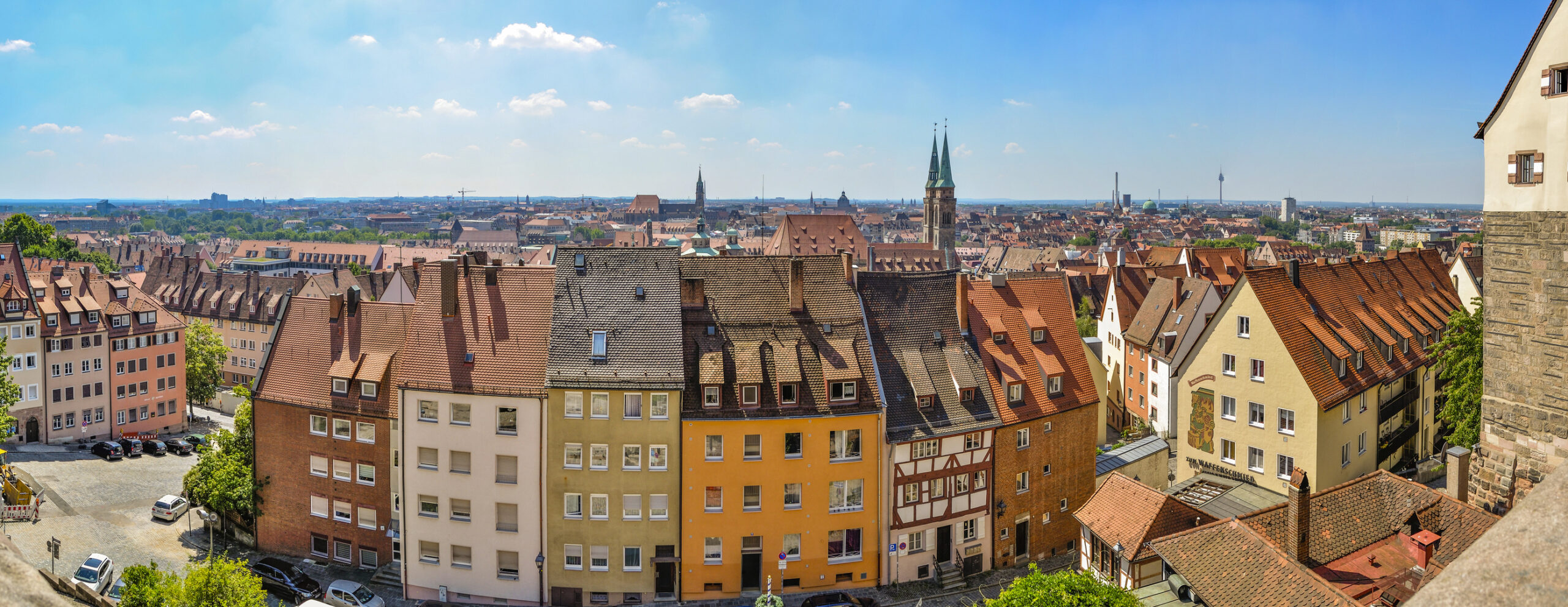
Upper view over the city of Nurnberg dominated by the two towers of St. Lorenz medieval church
And… it is time for the yearly “High School Trip” for grown-ups: The Embedded World. We used to be there every year. Even since my Tasking days I have visited the EW (First time in 1998 if I’m not mistaken)
Since I am at Willert in 2001 we had a booth (together with Easycode, Microconsult, and in the beginning, Keil ( Before they were taken over by ARM)
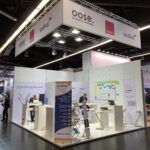
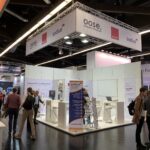
We gave up in 2014 but we returned in a smaller way in 2016 and 2017 together with LieberLieber (& Sparx Europe) In 2018 we skipped again but we decided to give it a try again with a new concept together with our Merge Partner Sodius and with OOSE.
So we have a booth again. Hall 4-150.
EW
The Embedded world is a 3-day fair all about embedded. Lots of exhibitors in Software and Hardware. Lots of people I know and sometimes haven’t met in years. After 3 days you are really really tired from standing and talking all day and part of the evening.
Also, of course, we are traveling to Nürnberg on Monday, for me that means travel to Bückeburg on Sunday evening… Then we built up the booth, most of it is done by a company that builds up the booth but we have to install some stuff ourselves.
We are always in the same hotel… it has changed ownership a couple of times but we are still there, not because of the great rooms (they are not great… they are OK.) but because it is quite near the fair and because of the great steaks they serve there. And… no… i will not tell you where it is 😉
The very nice thing is that the embedded scene is quite small so you know lots of people there. People change jobs so sometimes they work somewhere else (Like Emmanuel, he worked for us years ago, he has built the Target Debugger together with Alberic)
Stress
Then 3 days of stress. 3 presentations in the forum in Hall 2, and speaking with (potential) customers and giving demo’s. At night visit partners and then to the hotel, eat a steak and sleep.
After 3 days my feet hurt and then at 17h the gong sounds and we can pack the car and drive back to Bückeburg. Where we will arrive in the middle of the night… But it was all worth it. We’ll be back!
So that was it for today, I spoke with a lot of potential new Rhapsody customers!
Happy modeling with Rhapsody ( wvdheiden@willert.de )